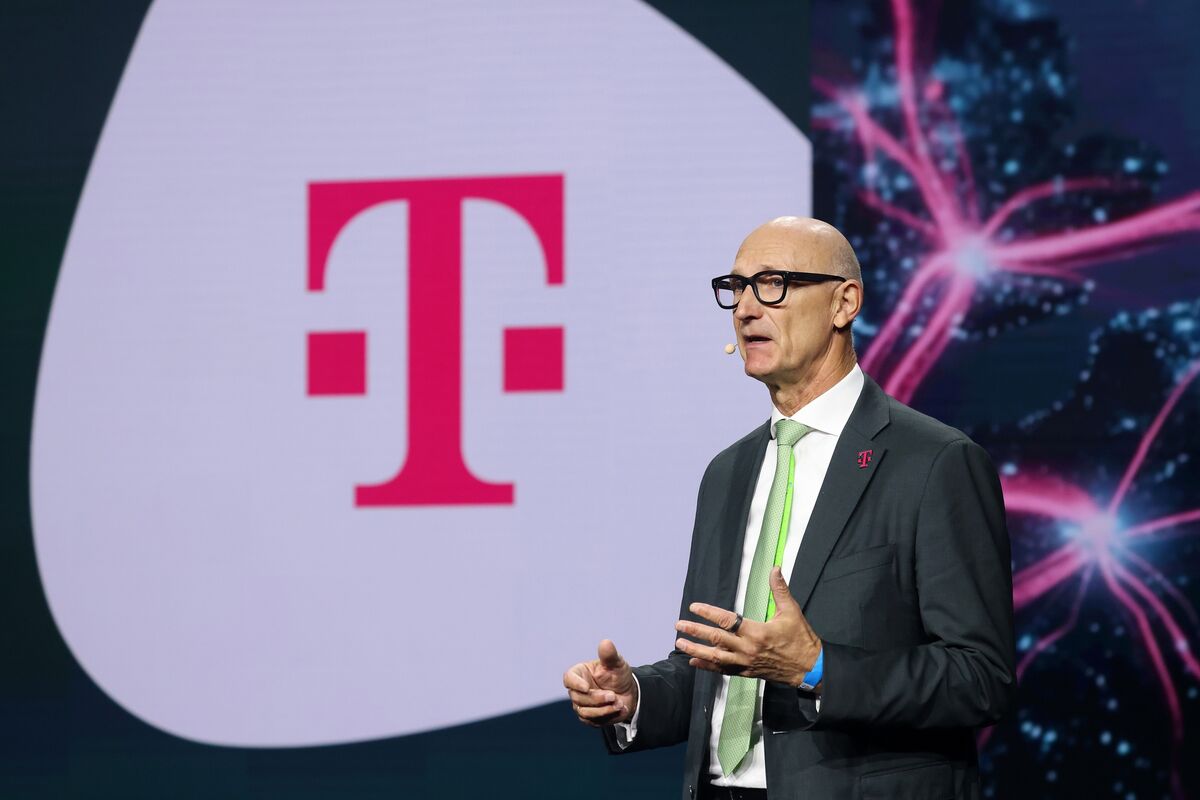
Deutsche Telekom is exploring a combination with T-Mobile US that could create the world's largest telecommunications group, a potentially transformative M&A move. The deal would require political backing in Berlin and Washington and investor support for the case that a combined company is worth more than two standalone businesses. The article is strategic rather than financial, but the scale of the proposed transaction could materially affect both stocks and the telecom sector.
The market is likely underpricing the strategic optionality, but overpricing the probability of a clean path. A combination here is less about revenue synergies and more about regulatory architecture: if leadership can frame the move as strengthening European telecom investment capacity rather than reducing consumer choice, the equity could rerate before any formal deal terms are public. The first-order upside is modest; the second-order upside is a de-risking of the group’s capital intensity narrative, which should matter to long-duration holders.
The biggest beneficiary is not necessarily the combined equity on day one, but the broader tower/fiber ecosystem if a larger balance sheet accelerates capex and network harmonization. That would pressure smaller regional operators and wholesale-dependent vendors that rely on fragmented procurement, while improving bargaining power versus equipment suppliers and content distributors. Conversely, a failed process would likely leave TMUS with a governance overhang and compress multiple expansion for months as investors reprice the probability of strategic intervention.
The tail risk is political, not financial: antitrust objections in the U.S. and EU can keep the process in limbo long enough to create an options-friendly setup but an unattractive outright equity catalyst. Time horizon matters: within days, expect volatility compression as headlines encourage speculative positioning; over 3-12 months, the key swing factor is whether management can pre-negotiate concessions that make the transaction appear pro-investment. If that fails, the market may treat the story as a distraction and refocus on standalone execution.
Contrarian view: consensus may be too focused on headline deal size and not enough on integration complexity and remedy costs. A large deal can destroy more value than it creates if promised synergies are offset by spectrum divestitures, pricing constraints, or slower decision-making. The cleanest edge is to view any early rally as an event-driven move rather than a durable fundamentals upgrade until regulators signal a workable framework.
AI-powered research, real-time alerts, and portfolio analytics for institutional investors.
Request TrialOverall Sentiment
mildly positive
Sentiment Score
0.35
Ticker Sentiment
