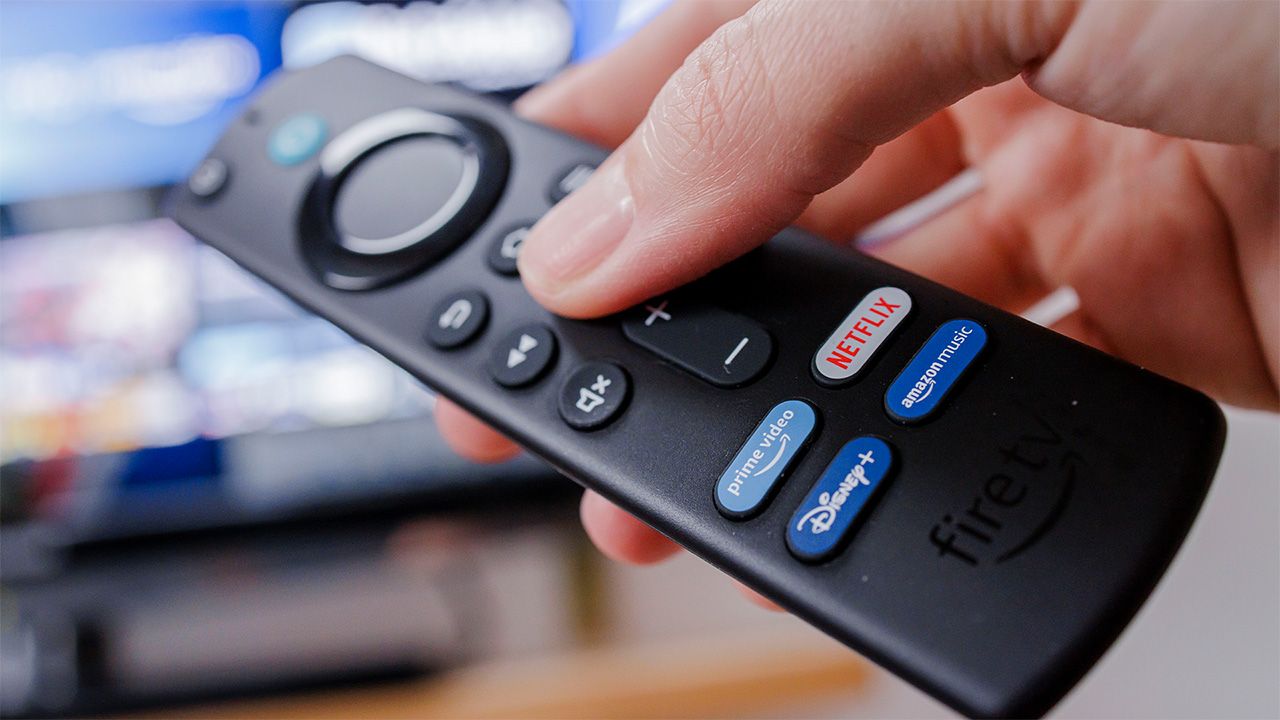
Amazon says existing Fire TV Stick devices will receive app, security, and compatibility support through December 31, 2030, while the original 2018 Fire TV Stick 4K is supported only through December 31, 2029. New Fire TV devices will ship with Vega OS, which blocks sideloading of unauthorized Android apps and tightens Amazon’s app ecosystem. The update is mostly a consumer software and security policy shift, though Amazon’s timeline may also reflect ongoing litigation over update support for older devices.
AMZN is trading a small legal/compliance problem into a strategic moat. By forcing a clean OS transition and guaranteeing support on legacy hardware, Amazon reduces near-term churn risk while making the installed base more dependent on Amazon-approved distribution; that should incrementally improve monetization quality in the living room, but it also tightens control over app economics and reduces the long tail of third-party utility that helped Fire TV compete on price. The second-order effect is that the value of “cheap” streaming hardware shifts from openness to ecosystem attachment, which favors Amazon’s ad and commerce funnel more than device margin. The winners are the large, already-ensconced streaming platforms and Amazon itself. NFLX and GOOGL should see negligible disruption because their apps are canonical and will remain in the approved channel, while niche apps, sideloading-dependent tools, and gray-market accessory ecosystems likely lose distribution over the next 12-36 months. That matters because the device category’s fragmentation historically supported low-friction experimentation; a more locked-down stack reduces competitor optionality and should modestly improve Amazon’s negotiating leverage with app developers. The main risk is not user backlash today but gradual feature attrition after the support window rolls forward, especially if security patch cadence slows for aging devices and app compatibility starts to diverge. The litigation angle creates a binary overhang: if Amazon’s public support commitment is viewed as sufficient remediation, the issue fades; if not, there is a path to incremental disclosure or reserve pressure, though likely not a major earnings event. Consensus may be underestimating how little this changes the top-tier streaming apps while still meaningfully impairing the long tail of quasi-open functionality that made Fire TV sticky for power users.
AI-powered research, real-time alerts, and portfolio analytics for institutional investors.
Request DemoOverall Sentiment
neutral
Sentiment Score
0.05
Ticker Sentiment
