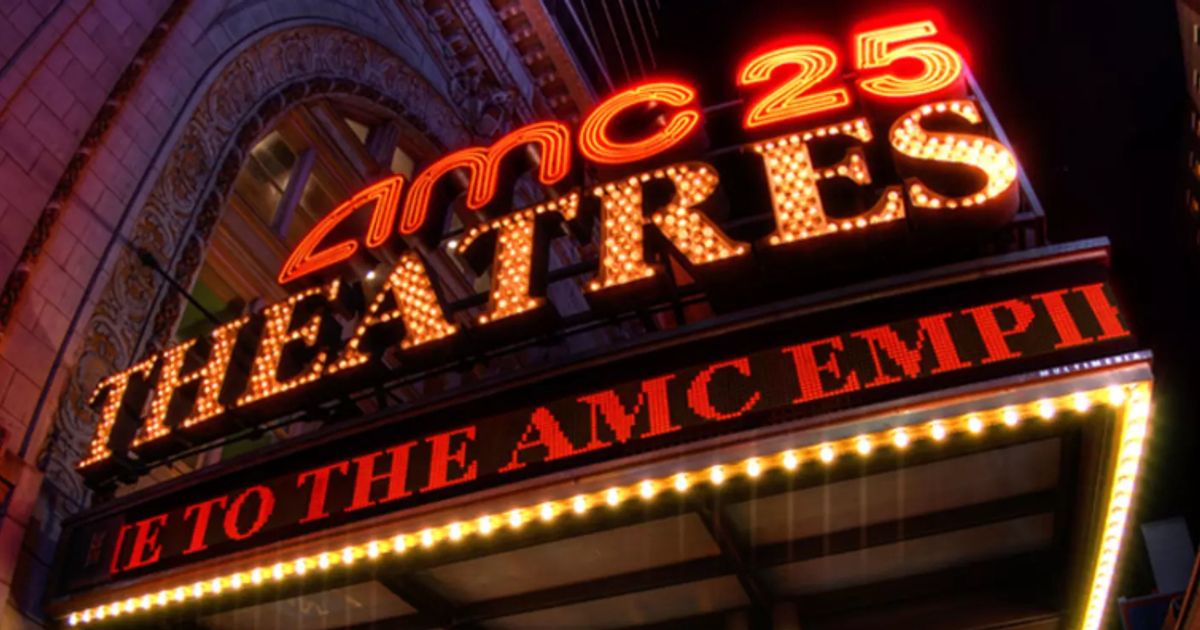
AMC reported Q4 revenue of $1.29 billion, down 1.4% year-over-year but above consensus of $1.27 billion, and a narrower-than-expected net loss of $127.4 million ($0.18/share) versus an anticipated $0.21 loss. Q4 adjusted EBITDA fell to $134.1 million from $164.8 million a year earlier, while net cash from operations was $126.7 million and quarterly free cash flow was $43.3 million; year revenue rose to $4.85 billion but full-year net loss widened to $632.4 million largely due to non-cash charges from a July 2025 refinancing. Management highlighted record per-patron revenue, portfolio optimization and a stronger box office backdrop with positive forward-looking commentary on the 2026 film slate, while the stock traded down ~1.3% to $1.20 post-release.
Market structure: AMC’s print signals selective winners — exhibitors with strong loyalty programs and premium F&B (AMC) and studios with reliable franchise sequels gain pricing power; budget exhibitors and streaming-first content producers are relatively disadvantaged if theatrical windows re-expand. The modest revenue beat (+$1.29B vs $1.27B est.) and record per-patron receipts suggest demand-side recovery: admissions + ancillary spend per ticket are increasing even as unit volumes remain below pre-pandemic highs, implying pricing leverage rather than supply constraints. Credit markets should reprice near-term risk lower (2026 maturities redeemed) but long-dated credit still faces FCF stress; expect elevated equity and options vol until summer blockbusters prove out demand.
Risk assessment: Tail risks include a major box-office flop cycle (studio miss across 2–3 tentpoles), acute retail-driven volatility/dilution (equity raise >$200M), or macro consumer shock reducing discretionary spending; each could halve market cap in weeks. Immediate (days) risk: volatile retail flows and headline trading; short-term (weeks/months): response to early-2026 releases and any ATM equity activity; long-term (quarters) hinges on FCF trajectory (free cash flow was -$365.9M in 2025). Hidden dependency: AMC’s narrative relies on studios delivering 3–4 tentpole hits in 2026; labor/production disruptions or shifts to streaming materially change outcomes.
Trade implications: Favor convex, limited-loss exposure to upside into the summer slate — buy-call spreads expiring Jun–Aug 2026 to capture catalysts while limiting downside. Keep outright equity exposure tiny (1–3% notional) with strict stop-loss (25% from entry) due to dilution risk and meme volatility. Avoid committing to long-dated investment-grade or high-yield AMC bonds until FCF turns positive or leverage targets fall (net debt/EBITDA <4x).
Contrarian angles: Consensus underweights operational improvements (adj. EBITDA +12.6% y/y to $387.5M) and record per-patron metrics, so a well-sequenced slate could produce outsized re-rating rather than gradual recovery. Reaction is underdone if studios deliver 2–3 breakout films — price >$3.00 becomes plausible by autumn 2026; conversely market underestimates dilution risk so negative surprises can be swift. Historical parallel: 2010s theatrical recoveries show revenue rebounds concentrated around a few tentpoles, not broad-based steady rises — binary outcomes dominate.
AI-powered research, real-time alerts, and portfolio analytics for institutional investors.
Request DemoOverall Sentiment
mildly positive
Sentiment Score
0.25
Ticker Sentiment
