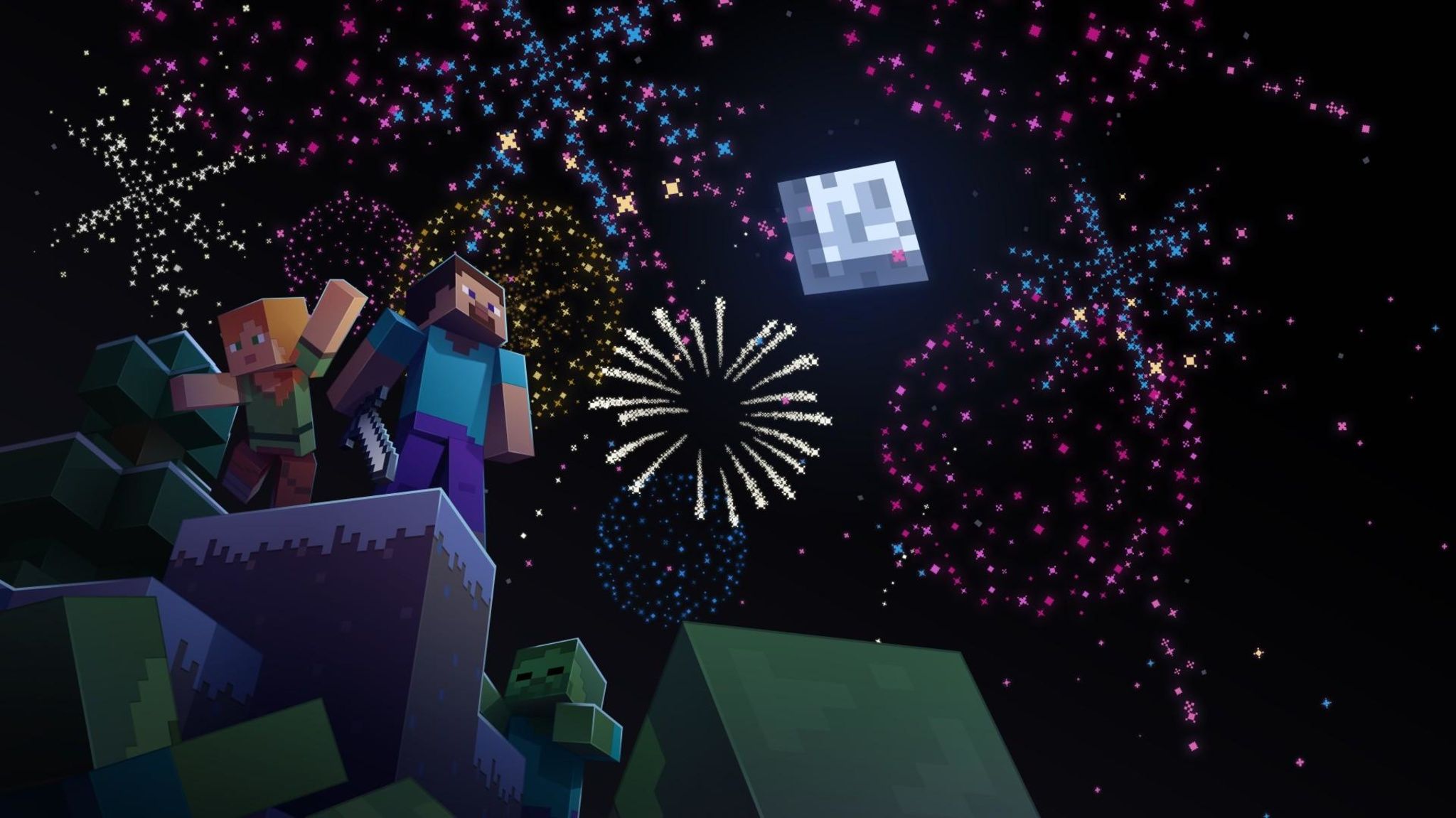
Mojang posted 2025 engagement highlights for Minecraft, noting nearly 1 billion copper golems spawned, over 270 million mounts tamed, 335 billion blocks traveled and 16 million crafted saddles. The year featured multiple major content updates (Spring to Life; Vibrant Visuals; Chase the Skies; The Copper Age; Mounts of Mayhem), two Minecraft Live events, a theatrical/streaming movie with a 2027 sequel teased, and a Candy Crush partnership to build mobile title Minecraft Blast. Production-side changes slated for 2026 include removal of code obfuscation for modders and altered version numbering; the title is also on platform discounts through early 2026.
Market structure: Minecraft’s 2025 momentum is a demand signal that consolidates pricing and retention power for Microsoft (MSFT) across gaming, cloud and IP monetization — winner: MSFT (direct owner), King/Activision assets (mobile tie‑ins), and platform/engine tool vendors; losers: smaller sandbox/social platforms (RBLX, indirect) and independent discovery storefronts. Graphics and modder‑friendly moves (removal of obfuscation) increase engagement without immediate capex, tightening MSFT’s competitive moat and raising lifetime value per user by an estimated single‑digit percentage over 12–24 months. Cross‑asset: modest positive equity impulse for MSFT, marginal upside for AMZN through retail game distribution; negligible direct bond/commodity effects but options vol on MSFT could compress near positive catalysts.
Risk assessment: Tail risks include regulatory escalation (EU/US antitrust suits affecting bundling or acquisitions) and a high‑profile movie or mobile launch flop that dents IP monetization; both are low probability but would cause >10% downside in gaming comps in 3–12 months. Time horizons split: immediate days/weeks (holiday discounts boost downloads/sales), short term 3–9 months (mobile Minecraft Blast development and sequel movie cadence), long term 1–3 years (modding, platform stickiness). Hidden dependencies: Azure cost of running multiplayer/backend, revenue share disputes with Apple/Google for mobile, and third‑party studio capacity. Catalysts: MSFT quarterly subscriber metrics, Minecraft Blast beta, and sequel movie marketing dates.
Trade implications: Primary direct play is long MSFT equity and disciplined call spreads into 3–9 month catalysts; size positions to 1–3% of portfolio. Relative trade: long MSFT vs short RBLX (market share/time‑spent compression) sized 1.5:1 given higher confidence in MSFT monetization. Options: implement 6‑month 5%–10% OTM bull call spreads on MSFT capped to 1% portfolio risk to capture upside while limiting theta. Rotate modest weight from generic consumer discretionary into Tech/Gaming exposures if gaming revenue guidance beats in next two quarters.
Contrarian angles: Consensus treats Minecraft as engagement noise; the market may be underpricing downstream monetization (mobile spin‑offs, sequel films, branded merch) that can lift MSFT gaming revenue by mid‑single digits over 2 years. Conversely engagement growth can be under‑monetized — if Minecraft’s mobile economics mirror heavy revenue share erosion (Apple/Google) the uplift will be muted, so the positive reaction may be overdone near term. Historical parallels: long‑lived IP (e.g., Grand Theft Auto) produced delayed but durable monetization; failure modes include platform fragmentation from open modding reducing marketplace revenue. Watch for early signs of revenue conversion (ARPU lift or Game Pass churn improvement) within the next 2 quarters.
AI-powered research, real-time alerts, and portfolio analytics for institutional investors.
Request DemoOverall Sentiment
moderately positive
Sentiment Score
0.60
Ticker Sentiment
