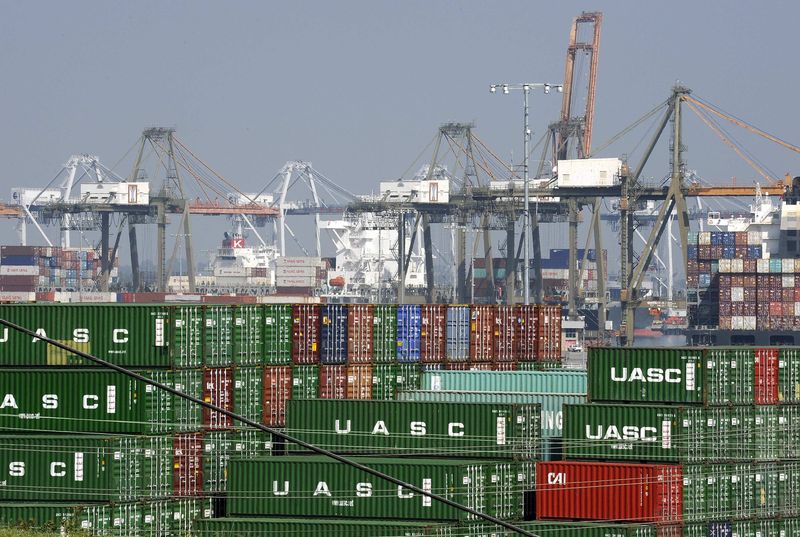
Australia posted an unexpected A$1.84 billion trade deficit in March, versus a forecast A$4.25 billion surplus and a revised A$5 billion surplus in February. Exports fell 2.7% month-on-month, led by weaker shipments of metal ores, coal and sugar, while imports jumped 14.1% on higher capital goods demand, including a 204% surge in automated data processing equipment tied to AI infrastructure. The country also imported more crude petroleum and gasoline after a fire and outage at a key Victoria refinery.
This is a subtle cross-asset signal that the market may be underpricing the sequencing effect: the trade shock is less about one month of Australian external balance and more about a sharp swing in import composition toward capex and fuel at the same time. That combination typically shows up when downstream firms are pre-positioning for higher compute intensity and supply-chain rebuilds, which can pull forward demand for semis, servers, power equipment, and freight capacity over the next 1-2 quarters. The bigger second-order winner is not the raw data itself, but vendors tied to AI infrastructure and electrical grid bottlenecks, because a 200%+ jump in data equipment imports suggests Australia’s enterprise spend is moving from pilot to deployment.
On the loser side, the weakness in export volumes is most relevant as a signal for bulk commodity pricing sensitivity rather than a one-month terms-of-trade event. If metal ores and coal soften simultaneously while fuel imports rise, miners and bulk shippers face a margin squeeze from both sides: lower outbound volume and higher domestic logistics/energy input costs. That setup is bearish for cyclicals with high fixed costs and limited pricing power, but it can be bullish for firms exposed to import replacement, storage, and inland distribution if domestic refinery outages persist.
The energy angle is more interesting than the headline suggests. Higher crude and gasoline imports following a refinery disruption create a temporary demand vacuum for seaborne refined products and can tighten regional product cracks even if headline crude is stable, which supports tanker rates and refiners outside the affected market. If the market starts treating the trade deficit as a sign of slowing growth, that would be a mistake; the data are more consistent with capex rotation and a supply-chain reroute than with a consumption collapse.
The contrarian view is that this is not yet a bearish macro print for Australia, because import strength driven by capital goods is often a leading indicator for future productivity and earnings, while the export weakness may normalize once shipment timing and weather effects clear. The real risk is that the AI-related import surge proves broad-based and persistent, which would imply a multi-quarter capex cycle and sustained pressure on the currency and current account, rather than a one-off monthly distortion.
AI-powered research, real-time alerts, and portfolio analytics for institutional investors.
Request DemoOverall Sentiment
neutral
Sentiment Score
-0.10
