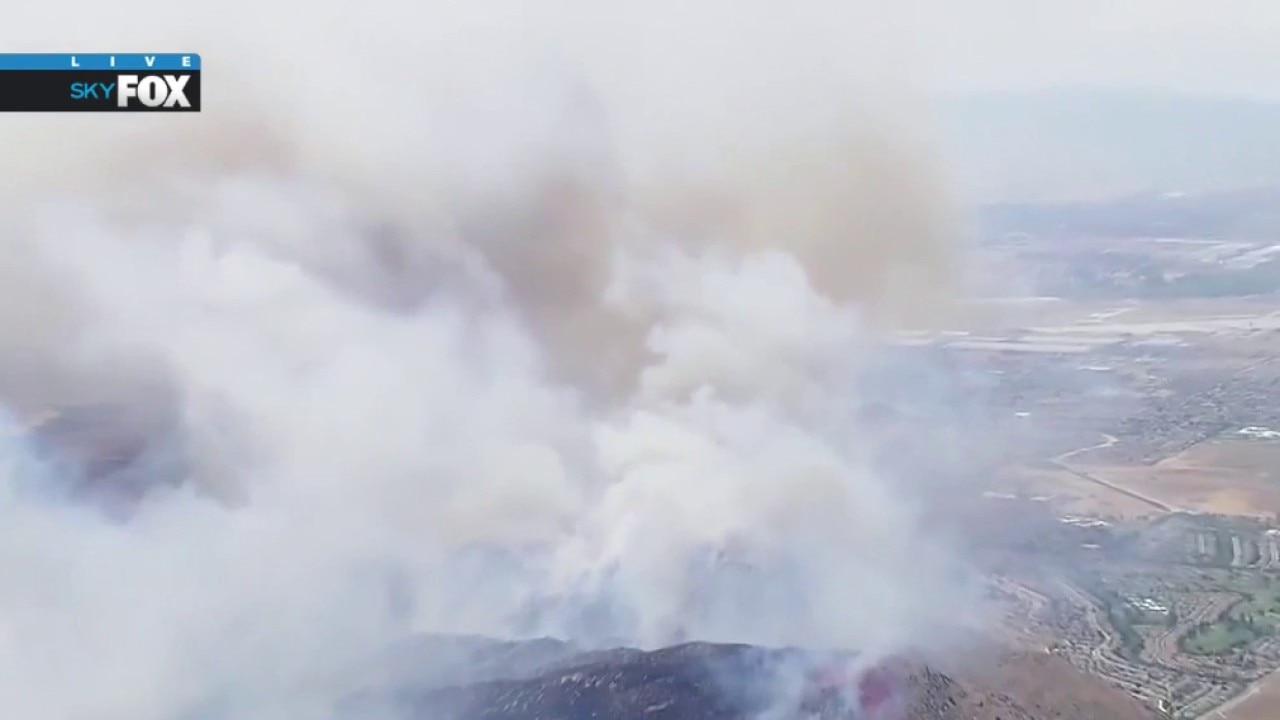
1,500-acre Springs Fire (0% contained) and 280-acre Crown Fire (5% contained, potential to 300 acres) are triggering mandatory evacuations and road closures in Riverside and Los Angeles counties. Multiple evacuation zones have been ordered or warned and Gilman Springs Road is closed; an animal shelter has been set up at 581 S. Grand Ave.; causes and structural impacts remain under investigation. Operational disruption is localized (evacuations, traffic closures) with limited broader market impact anticipated.
This event is a near-term demand shock for emergency-notification and incident-management software that often translates into accelerated procurement and PR-driven upgrades at the municipal level. Expect a meaningful uptick in inbound RFPs and proof-of-concept activity over the next 30–90 days, with contract award and revenue recognition typically occurring on a 3–12 month cadence — so any vendor with municipal footprints can show revenue momentum into the next two quarters.
Logistics impacts are concentrated and episodic: localized road closures and reroutes tend to produce 1–7 day delivery windows and 0.5–2% incremental operating cost for regional LTL/last-mile carriers while crews re-task and fuel consumption rises. For companies with concentrated California networks, this can generate measurable margin pressure in the upcoming weekly operational results and potentially dent near-term guidance if multiple events stack in a quarter.
On the insurance side, wildfires create a two-phase effect: immediate claims and payout volatility over weeks, followed by pricing and underwriting adjustments in the following 6–24 months as carriers reset IBNR assumptions and reinsurance purchasing. That dynamic tends to benefit reinsurers and specialty insurers over the medium term while pressuring regional carriers’ earnings near-term if loss estimates reprice materially.
Catalysts to monitor: containment/weather updates (days), municipal procurement decisions and emergency declarations (weeks–months), and initial insured-loss tallies from state regulators (30–90 days). A faster-than-expected civil procurement response or a cluster of additional events would steepen demand for alerting systems and harden insurance pricing sooner, while a rapid containment or heavy precipitation would likely deflate both vendor and insurer re-rating scenarios quickly.
AI-powered research, real-time alerts, and portfolio analytics for institutional investors.
Request DemoOverall Sentiment
mildly negative
Sentiment Score
-0.35
Ticker Sentiment
