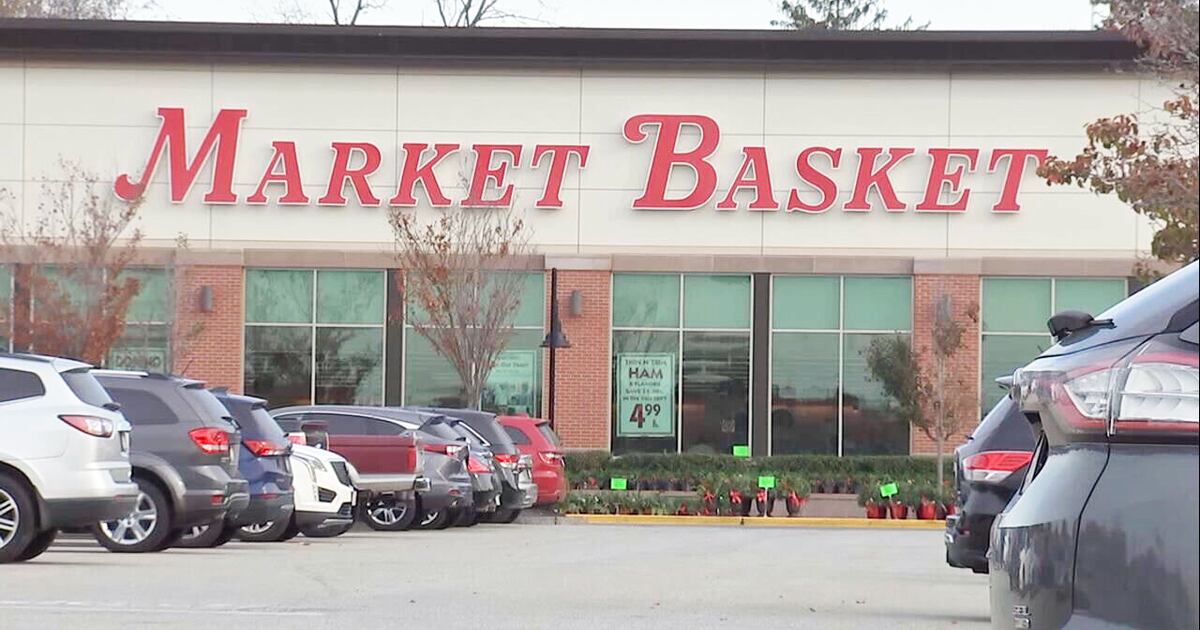
Dunnhumby’s ranking places Market Basket as the No. 2 grocery retailer in the $1 trillion U.S. grocery market, with H-E-B first and other notable chains (Costco, Aldi, Trader Joe’s, Amazon, Wegman’s) also high on the list; the RPI attributes 41% of a retailer’s long-term success to saving customers money (up three points). Dunnhumby warns 2025 saw weaker shopper confidence and increased price sensitivity among consumers; separately, Market Basket faces significant governance and legal risk after CEO Arthur T. Demoulas was put on leave in May, fired in September amid allegations of attempting to provoke a work stoppage, and is now countersuing to regain his position.
Market structure: The dunnhumby ranking underscores accelerating share gains for low-price and membership models (H-E-B, Costco, Aldi) in a $1.0T U.S. grocery market where price-sensitivity now explains 41% of long-term success. Expect top discounters and membership chains to capture incremental share—roughly +50–150 bps collectively over the next 12 months—at the expense of premium/specialty formats that lack scale or hard-edged loyalty programs.
Risks & timelines: Immediate (days) risk is headline-driven volatility around Market Basket’s CEO/legal drama that could depress regional supplier and competitor sentiment; short term (weeks–months) sales mix shifts toward value channels as CPI and employment prints remain soft; long term (quarters–years) structural share reallocation to low-cost players. Tail risks include labor stoppages at Market Basket or a protracted lawsuit (3–12 months) that disrupts supply chains and local volumes, and idiosyncratic operational risks at private chains.
Trade implications: Tactical bias is overweight large-cap, margin-resilient discounters and membership models (COST) and selective exposure to AMZN’s grocery/fulfillment optionality, while trimming specialty grocers (SFM) and foodservice-facing names. Use capital-light option structures (6–9 month call spreads 10–15% OTM) to express upside in COST/AMZN and a small relative-value pair (long COST / short SFM) over 6–12 months to capture expected share reallocation.
Contrarian angles: Consensus may overpay for omnichannel narratives (AMZN) while underestimating store-level loyalty—Market Basket turmoil creates a window where local suppliers and short-term regional rivals could be mispriced. If the Demoulas fight resolves quickly in favor of reinstatement, expect a sharp, localized re-rating of vendors and regional REITs within 30–90 days that is not priced into broad staples names.
AI-powered research, real-time alerts, and portfolio analytics for institutional investors.
Request DemoOverall Sentiment
mixed
Sentiment Score
-0.10
Ticker Sentiment
