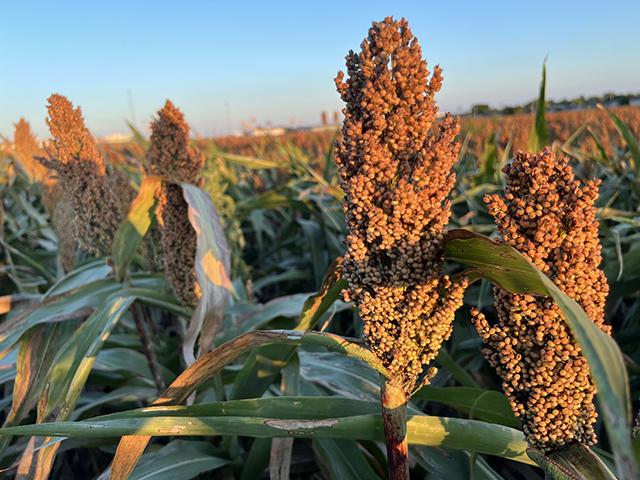
U.S. soybean and sorghum farmers are experiencing severe financial distress due to the ongoing absence of Chinese purchases, a situation intensified by China's recent $477 million acquisition of 1.3 million metric tons of Argentine soybeans. This purchase occurred after the U.S. facilitated a $20 billion currency swap for Argentina, which subsequently waived its soybean export taxes. With U.S. soybean sales to China at zero and sorghum exports down 97%, agricultural leaders are urgently demanding a trade deal, while the prospect of federal aid, similar to previous Market Facilitation Programs, is complicated by a drained Commodity Credit Corporation and potential government shutdowns.
The U.S. soybean and sorghum sectors are under acute financial pressure due to a complete halt in new crop sales to China, a direct result of ongoing retaliatory tariffs. This trade impasse has been severely exacerbated by a recent U.S. foreign policy move; a negotiated $20 billion currency swap to support Argentina's government was immediately followed by China purchasing 1.3 million metric tons of Argentine soybeans, a sale valued at approximately $477 million. This development underscores the direct market share loss for U.S. farmers, with competitors like Brazil and Argentina filling the void. The impact is quantified by a 97% year-over-year drop in U.S. sorghum exports to China and zero new soybean sales, leading to falling domestic prices during a critical harvest period. While agricultural leaders are demanding an immediate trade resolution, potential government relief, similar to the previous $23 billion Market Facilitation Program, faces significant hurdles. The Commodity Credit Corporation (CCC) fund used for such aid is depleted, and the looming threat of a government shutdown adds further uncertainty to the timing and feasibility of any financial support, leaving producers in a precarious position with some fearing for their operational survival.
AI-powered research, real-time alerts, and portfolio analytics for institutional investors.
Overall Sentiment
strongly negative
Sentiment Score
-0.75
