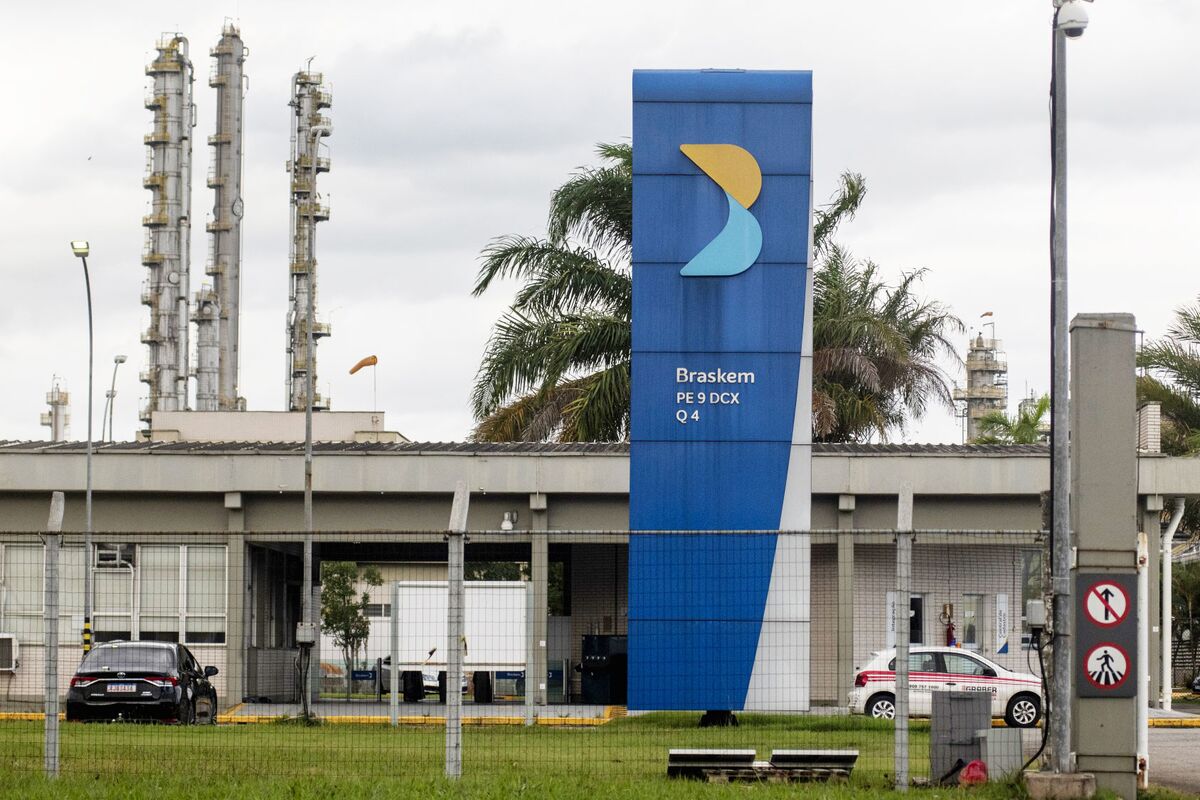
Braskem filed for emergency protection against creditors as debt talks stalled, signaling material stress in its capital structure. The filing applies only to financial creditors and is intended to preserve negotiations for an orderly solution aligned with the company's liquidity position and weak global petrochemical conditions. The news is negative for Braskem’s credit profile and may pressure its bonds and shares, though the impact is largely company-specific.
This is less a headline about one distressed issuer and more a signal that the refinancing window for EM petrochemicals is narrowing fast. Once a company moves to court-protected negotiations, unsecured creditors will start pricing in a longer workout, which tends to cascade quickly into tighter terms for every regional industrial borrower with weak liquidity and high leverage. The second-order winner is the top of the capital structure: secured lenders and hedged creditors gain bargaining power, while equity becomes a residual option on a commodity recovery and asset-sale premium. For the operating business, the key risk is not just dilution but customer and supplier behavior. Counterparties usually shorten terms once they see insolvency risk, which can force incremental working-capital drag at exactly the wrong moment; that can turn a liquidity problem into a solvency problem within one to two quarters. Competitors with cleaner balance sheets may also exploit the distraction by locking in volume, forcing Braskem to defend market share with lower spreads even if industry pricing stabilizes. The broader read-through is bearish for EM credit, especially cyclicals with commodity exposure and any issuer reliant on bank revolvers. If local banks have exposure, the event can widen funding spreads across the sector for weeks, not days, because loan committees reprice the entire peer set after a headline like this. The main contrarian point: if this process truly remains consensual, the near-term equity wipeout risk may be overstated, and the real value transfer could occur from unsecureds to secured lenders rather than into a full liquidation. Catalyst-wise, the next 30-90 days matter most: watch for failed exchange offers, maturity extensions, or any sign that suppliers demand cash in advance. A clean financing package would reverse part of the panic, but absent that, the market will likely continue to discount a protracted restructuring. The trade here is about avoiding contagion and owning paper that sits structurally ahead in the stack, not chasing a bottom in common equity.
AI-powered research, real-time alerts, and portfolio analytics for institutional investors.
Request DemoOverall Sentiment
strongly negative
Sentiment Score
-0.72
Ticker Sentiment
