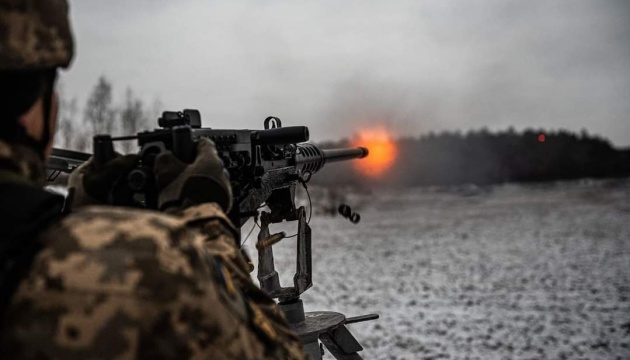
The Ukrainian General Staff reported 171 frontline clashes as of 08:00 on Jan. 10, with Russian forces most actively attacking the Pokrovsk and Huliaipole sectors; the enemy launched two missiles and 28 air strikes, used 36 missiles and 92 guided aerial bombs, conducted 3,322 shellings (including 61 MLRS strikes) and deployed 6,140 kamikaze drones. Ukrainian forces say they repelled multiple assaults across numerous sectors, while Russia's cumulative combat losses since Feb. 24, 2022 are reported at about 1,217,810 personnel (including 880 in the past day) — an operational-intensity update that sustains regional security risks and supports a continued risk-off posture for emerging-market and defense-sensitive assets.
Market structure: The day-to-day intensity of attritional combat points to persistent, elevated demand for artillery rounds, precision-guided munitions, air-defense systems and counter-drone technology—favoring large defense primes and specialist munitions suppliers that can scale production quickly. Civilian sectors exposed to geopolitical risk (airlines, tourism, Ukrainian/EM equities) will face continued pressure; commodities tied to supply disruption (wheat, industrial metals, oil) should show higher realized volatility and price floors. Cross-asset flows will remain risk-off: temporary safe-haven bid into gold and sovereign bonds, widening EM sovereign and corporate spreads, RUB weakness and EUR/UAH volatility on aid flows and sanctions.
Risk assessment: Tail risks include NATO escalation, a major energy-infrastructure strike, or global sanctions cascades—each could spike oil >15% within days and force sudden portfolio de-risking. Time horizons: immediate (days) = volatility and FX shocks; short-term (weeks–months) = procurement awards, ammunition restocking, and commodity repricing; long-term (years) = reallocation of Western defense budgets and supply-chain re-shoring. Hidden dependencies include microelectronics and logistics chokepoints for system production, and insurance/shipping costs that amplify commodity price moves. Key catalysts: large Western aid packages, a decisive Russian offensive, or a major port/Black Sea disruption.
Trade implications: Tilt portfolios toward defense primes and munitions suppliers, tactical long in wheat/oil and safe-haven bonds/gold, and underweight EM/Ukraine-exposed equities and airlines. Use option structures to express directional views while limiting drawdowns (6–12 month call spreads on defense names; put spreads on EM FX or airline names). Build initial positions within 1–4 weeks, scale into volatility, and target exits on 15–35% realized gains or after major diplomatic shifts.
Contrarian angles: The market may underprice multi-year ammo and air-defense demand—this is not a short-lived procurement spike but a structural budget reallocation opportunity similar to post-2001 defense cycles. Conversely, near-term EM/commodity sell-offs may overshoot; selective long entries in Ukrainian/Black Sea exposed agricultural names or regional miners on >30% drawdowns could pay off. Beware that rapid capacity expansion among suppliers can compress near-term margins (capex spike) before revenue flows materialize.
AI-powered research, real-time alerts, and portfolio analytics for institutional investors.
Request DemoOverall Sentiment
moderately negative
Sentiment Score
-0.50
