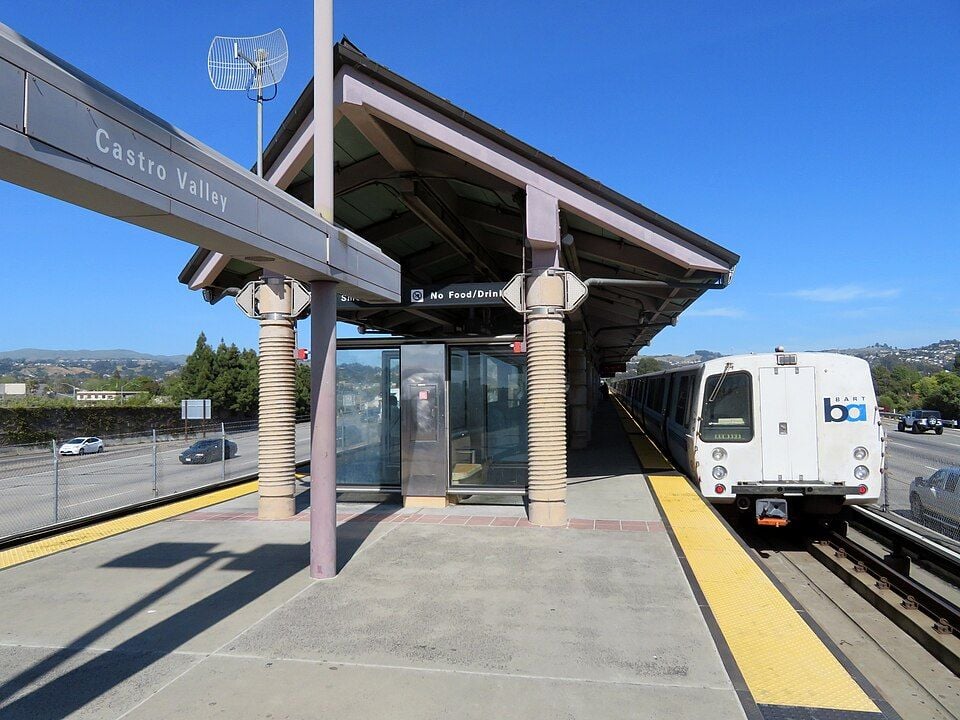
BART faces a projected $376 million shortfall and has released an Alternative Service Framework that would close up to 15 stations and curtail service (trains ending at 9 pm nightly and no weekend morning service until 8 am) unless a sales-tax ballot measure passes on Nov. 3, 2026. The measure would impose a half-cent sales tax in four Bay Area counties and a full one-cent tax in San Francisco; proposed cuts would be implemented in two phases (Jan. 2027 and July 2027) affecting multiple lines including Antioch, Berryessa, Dublin/Pleasanton and the SFO line. The BART Board will workshop the proposals Feb. 12; the proposals are presented as contingent plans pending voter approval and further board action.
Winners & losers: Immediate winners are modal-substitute providers — ride-hailing (UBER, LYFT), car rental (CAR, HTZ) and micromobility operators — which should see 3–10% incremental demand if stations close or nights/weekends are cut. Losers are Bay‑Area‑centric commercial real estate and retail landlords (West‑Coast office REITs such as KRC and neighborhood retail landlords within 0.5–1 mile of at‑risk stations) that could face 5–20% traffic/revenue declines and renewed tenant churn over 6–24 months.
Risk assessment: Tail risk is a November ballot rejection that forces $376M+ annual structural cuts in 2027 — market impact: localized muni credit spreads widening 25–75bp and downgrades to transit revenue paper; systemic risk to California muni sentiment is moderate but real. Near-term catalysts: Feb 12 BART board workshop (high information), monthly ridership reports, and county polling into Oct 2026; long‑lead risk is structural ridership secular decline over multiple years.
Trade implications: Tactical trades: long short‑dated call spreads on UBER/LYFT (12–18 month expiries) to capture modal share shift; buy put spreads on West‑Coast office REITs (e.g., KRC) for 6–12 months to hedge CRE downside. Credit: trim CA muni duration and buy 3–12 month protection via shorter‑dated muni ETFs (MUB overweight short-duration proxy) or selectively underweight CA muni exposure by ~25% of muni sleeve until ballot clarity.
Contrarian angles: Market may be overpricing permanent closures — historically transit fiscal crises (NYC, Chicago) drew state/county backstops within 6–18 months. If November tax passes or partial state aid arrives, expect 30–60bp spread compression and strong snapback in local munis and REITs — set limit orders to buy post‑vote dislocations.
AI-powered research, real-time alerts, and portfolio analytics for institutional investors.
Request DemoOverall Sentiment
strongly negative
Sentiment Score
-0.60
