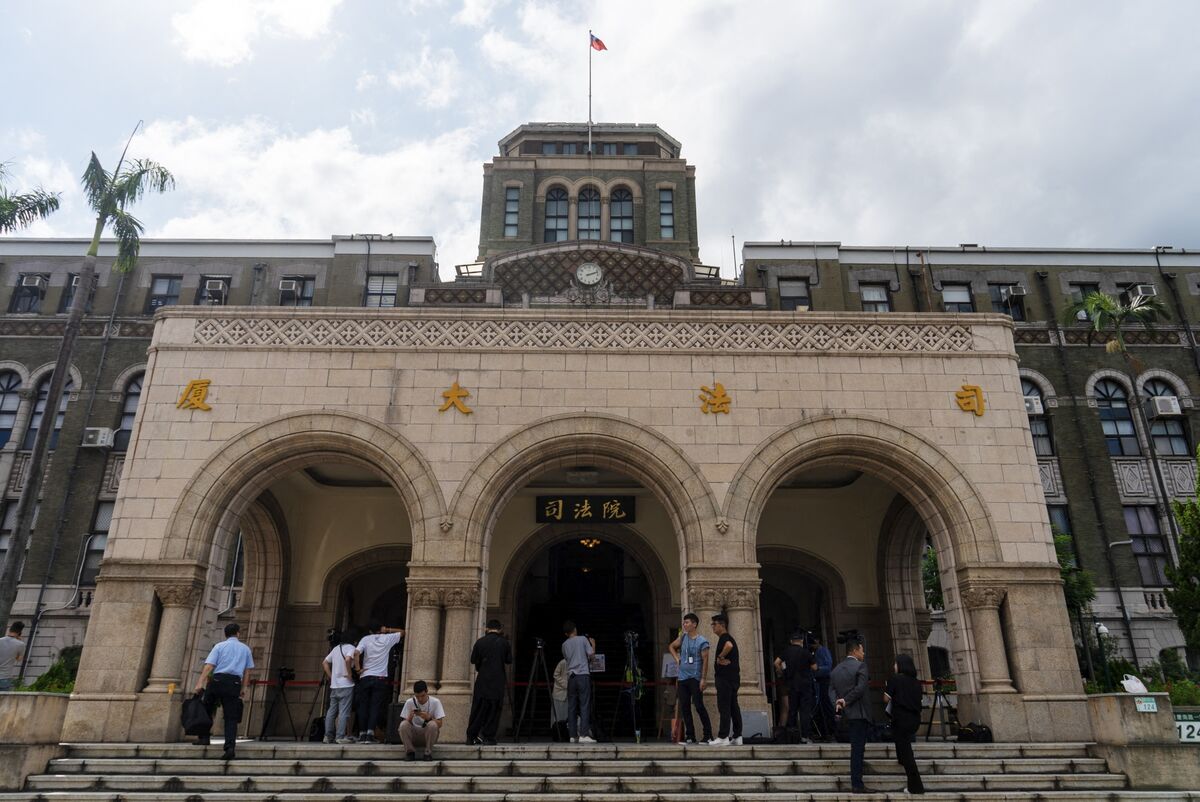
Taiwan's opposition parties, the Kuomintang and Taiwan People's Party, have again blocked all seven of President Lai Ching-te's nominees for the nation's highest court, including senior prosecutor Tsai Chiu-ming. This marks the second instance of the opposition-controlled Legislature rejecting Lai's judicial appointments, underscoring ongoing political obstruction aimed at derailing his administration.
Taiwan's domestic political landscape is exhibiting significant friction, as evidenced by the opposition-controlled Legislature's rejection of all seven of President Lai Ching-te's nominees for the nation's highest court. This marks the second instance of such a blockage, underscoring a persistent pattern of legislative obstruction aimed at challenging the new administration. The event highlights the difficulties President Lai faces in implementing his agenda, signaling potential for ongoing political gridlock. While the immediate market impact is assessed as very low (0.05), the situation introduces a degree of policy uncertainty. Prolonged internal political disputes could, over time, affect investor confidence and the government's ability to pass crucial economic or regulatory legislation, even if current market sentiment remains neutral.
AI-powered research, real-time alerts, and portfolio analytics for institutional investors.
Request DemoOverall Sentiment
neutral
Sentiment Score
0.00
