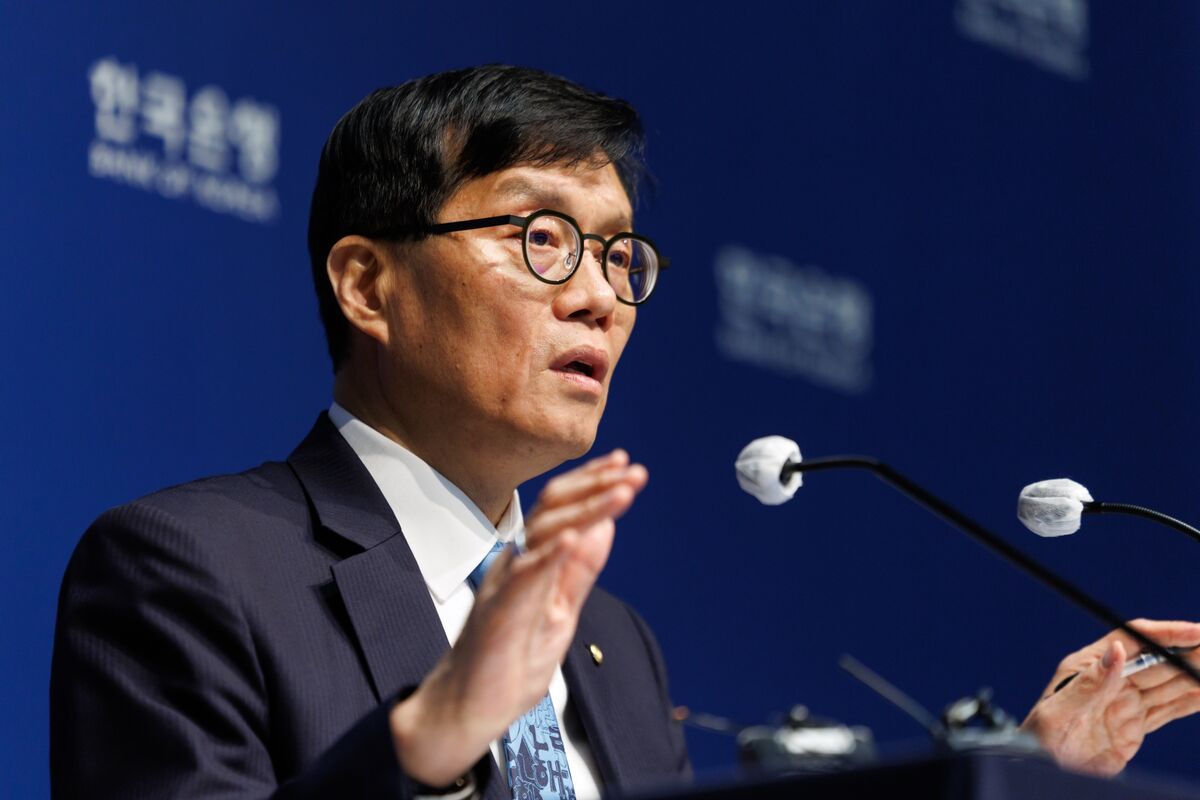
Bank of Korea Governor Rhee Chang Yong stated that a recent trade deal with the US helped alleviate significant pressure ahead of the central bank's August 28 rate decision. This comes as the BOK concludes a two-month pause in its easing cycle, with economists remaining divided on whether the central bank will hold rates or implement a 25 basis point cut, underscoring the trade deal's potential influence on monetary policy.
The Bank of Korea (BOK) is approaching its August 28 policy meeting with a key external risk factor now mitigated, according to Governor Rhee Chang Yong. The conclusion of a trade deal with the US has been explicitly cited as easing a "significant burden," suggesting that trade-related uncertainty was a primary reason for the BOK's two-month pause in its monetary easing cycle. While this development logically tilts the odds towards a resumption of easing, the market remains uncertain, as reflected by the divided opinion among economists between a rate hold and a 25 basis point cut. The mildly positive sentiment signal likely stems from the de-risking effect of the trade agreement, but the uncertain tone underscores that the path for monetary policy is not yet clear. The Governor's refusal to elaborate on the likely policy direction maintains this ambiguity, making the upcoming meeting a significant binary event for South Korean assets.
AI-powered research, real-time alerts, and portfolio analytics for institutional investors.
Request DemoOverall Sentiment
mildly positive
Sentiment Score
0.40
