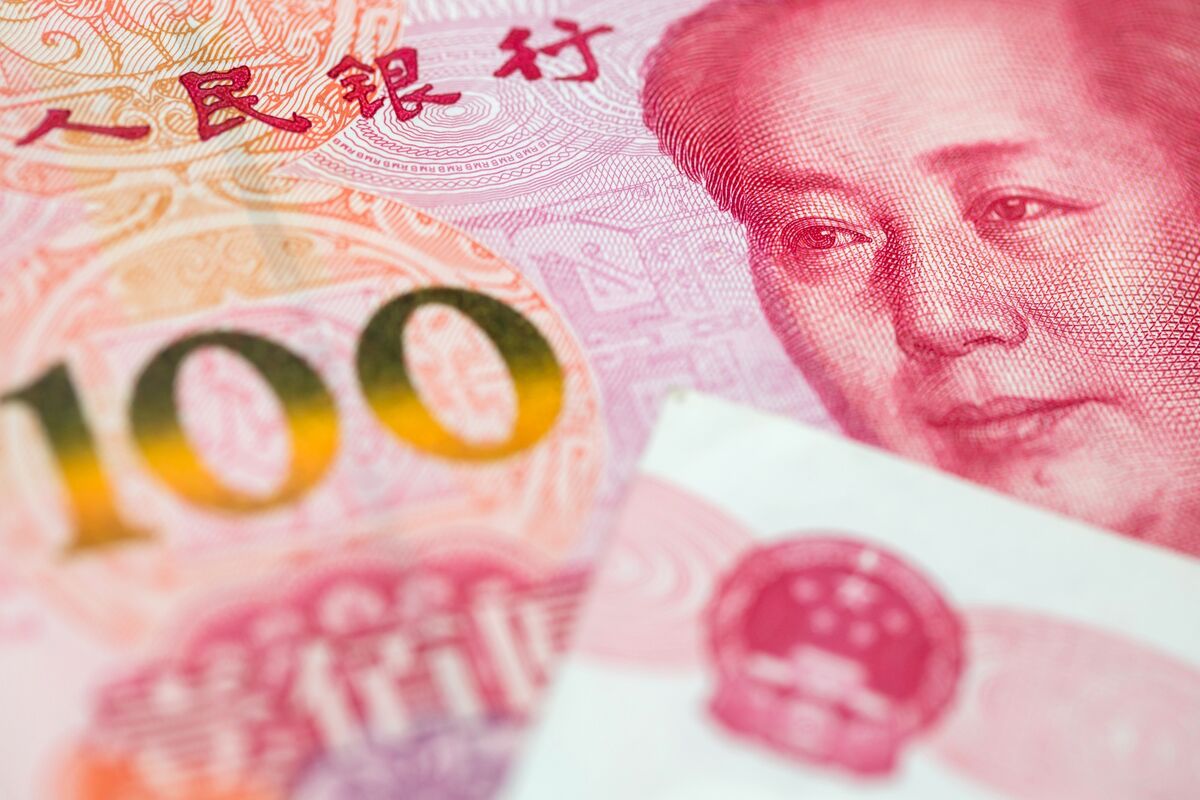
The People's Bank of China (PBOC) strengthened its yuan reference rate to 7.1161 per dollar, marking its strongest fixing since November and the largest strengthening since January, capitalizing on the dollar's post-Powell slump. However, despite this official strengthening, the yuan simultaneously weakened against a broader basket of major currencies in early trading, according to a Bloomberg index, indicating persistent underlying market pressures.
The People's Bank of China (PBOC) executed its most significant strengthening of the yuan's daily reference rate since January, setting it at 7.1161 per dollar, the strongest level since last November. This decisive move was a direct reaction to the U.S. dollar's decline following commentary from Federal Reserve Chair Jerome Powell, indicating the PBOC is opportunistically using external market conditions to guide its currency. However, a critical divergence has emerged: despite the stronger fixing against the dollar, the yuan simultaneously weakened against a broader trade-weighted basket of its major peers in early trading. This disconnect suggests that while the central bank is signaling a clear intent to stabilize the yuan against the dollar, underlying bearish sentiment or capital outflow pressures persist, limiting the currency's strength on a broader, trade-weighted basis.
AI-powered research, real-time alerts, and portfolio analytics for institutional investors.
Request DemoOverall Sentiment
mildly positive
Sentiment Score
0.35
