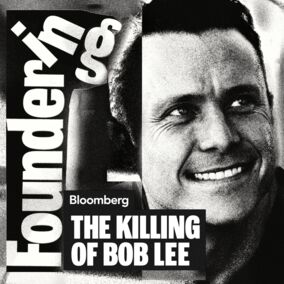
Nine days after Bob Lee was found stabbed in San Francisco, police arrested Nima Momeni for his murder. The article focuses on the circumstances around the killing, San Francisco officials' response to the 'Doom Loop' narrative, and Momeni's background and connection to Lee. This is a true-crime and tech-community story with no direct market-moving financial disclosure.
This story is less about the underlying crime than about how quickly a high-profile, emotionally charged incident can be weaponized into a policy and reputation event for San Francisco. The immediate market relevance is in the probability of follow-on media cycles: each new factual wrinkle keeps the city’s public-safety narrative in the spotlight, which can pressure local political leadership and any company with meaningful exposure to San Francisco talent retention, office footprint, or customer concentration.
The second-order effect is on the tech ecosystem’s willingness to commit capital and people to downtown urban cores. If the dominant narrative becomes that the city’s safety crisis is chronic and reputationally sticky, the marginal cost of hiring in San Francisco rises through higher comp demands, more remote flexibility, and slower return-to-office adoption. That does not hit mega-cap platforms evenly; it is more relevant for late-stage private companies, consumer apps, and smaller public software firms still using SF as a symbolic recruiting hub.
The contrarian view is that investors may overestimate the medium-term economic impact. These events typically create a 2-6 week media spike but only matter financially if they translate into policy change, insurance repricing, or sustained employee outflows. If the city can avoid new incidents and officials keep the narrative contained, the tradeable impact fades quickly; the real risk is not the headline itself, but a broader accumulation of public-safety anecdotes that eventually changes relocation decisions at the margin.
For media businesses, the episode is incrementally supportive of true-crime and longform investigative formats, where audience engagement tends to be sticky and monetizable. The opportunity is not in the event itself but in the durability of serialized coverage that can lift engagement time and subscription conversion for outlets that own the narrative early.
AI-powered research, real-time alerts, and portfolio analytics for institutional investors.
Request TrialOverall Sentiment
neutral
Sentiment Score
-0.10
