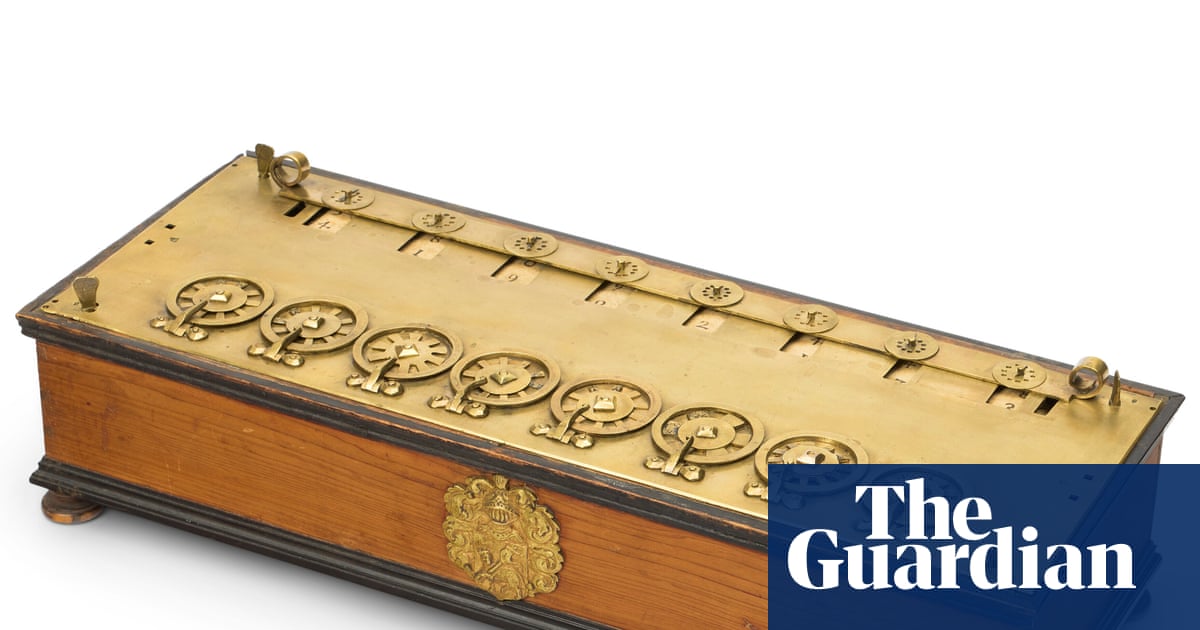
Christie’s has withdrawn La Pascaline — Blaise Pascal’s 1642 calculating machine, one of only eight authentic examples and expected to fetch more than €2m — after a Paris administrative court provisionally suspended its export authorisation following an emergency appeal from scientists, including Nobel laureate Giorgio Parisi, who argue it should be classified a national treasure and remain in France. The ebony-inlaid instrument, in private hands since 1942 and part of the late Léon Parcé’s library sale, is being touted as the origin of modern computing and is notable for its surveyor-specific units; the court’s provisional ban prevents it leaving the country while a final ruling, which could take months, is pending. The decision both pauses the immediate sale and signals a potential tightening of export controls for high-value scientific heritage, increasing the likelihood that French public institutions could acquire the piece and setting a precedent that may affect cross-border transactions in rare scientific instruments.
Christie’s has withdrawn La Pascaline — Blaise Pascal’s 1642 ebony-inlaid calculating machine and one of only eight authentic examples — from an auction after a Paris administrative court provisionally suspended its export authorisation following an urgent appeal by scientists including Nobel laureate Giorgio Parisi; the piece had been expected to fetch more than €2m and was in private hands since 1942 as part of the late Léon Parcé’s library. The court stated the instrument is likely to be classified a “national treasure,” which would prevent issuance of an export certificate and currently prohibits it from leaving France, even though the culture ministry issued an export certificate last May after approval by two experts (from the National Centre of Arts and Crafts and the Louvre). Scientists argued the Pascaline is the origin of modern computing, uniquely valuable for study, and noted five Pascalines are already in French public collections but emphasized this example’s distinct characteristics. The suspension pauses the sale pending a final ruling that could take months, creating legal and timing risk for bidders, increasing the likelihood of acquisition by French public institutions, and signaling a potential tightening of export controls for high‑value scientific heritage that could affect cross‑border transactions and liquidity in this niche market.
AI-powered research, real-time alerts, and portfolio analytics for institutional investors.
Request DemoOverall Sentiment
mixed
Sentiment Score
0.00
