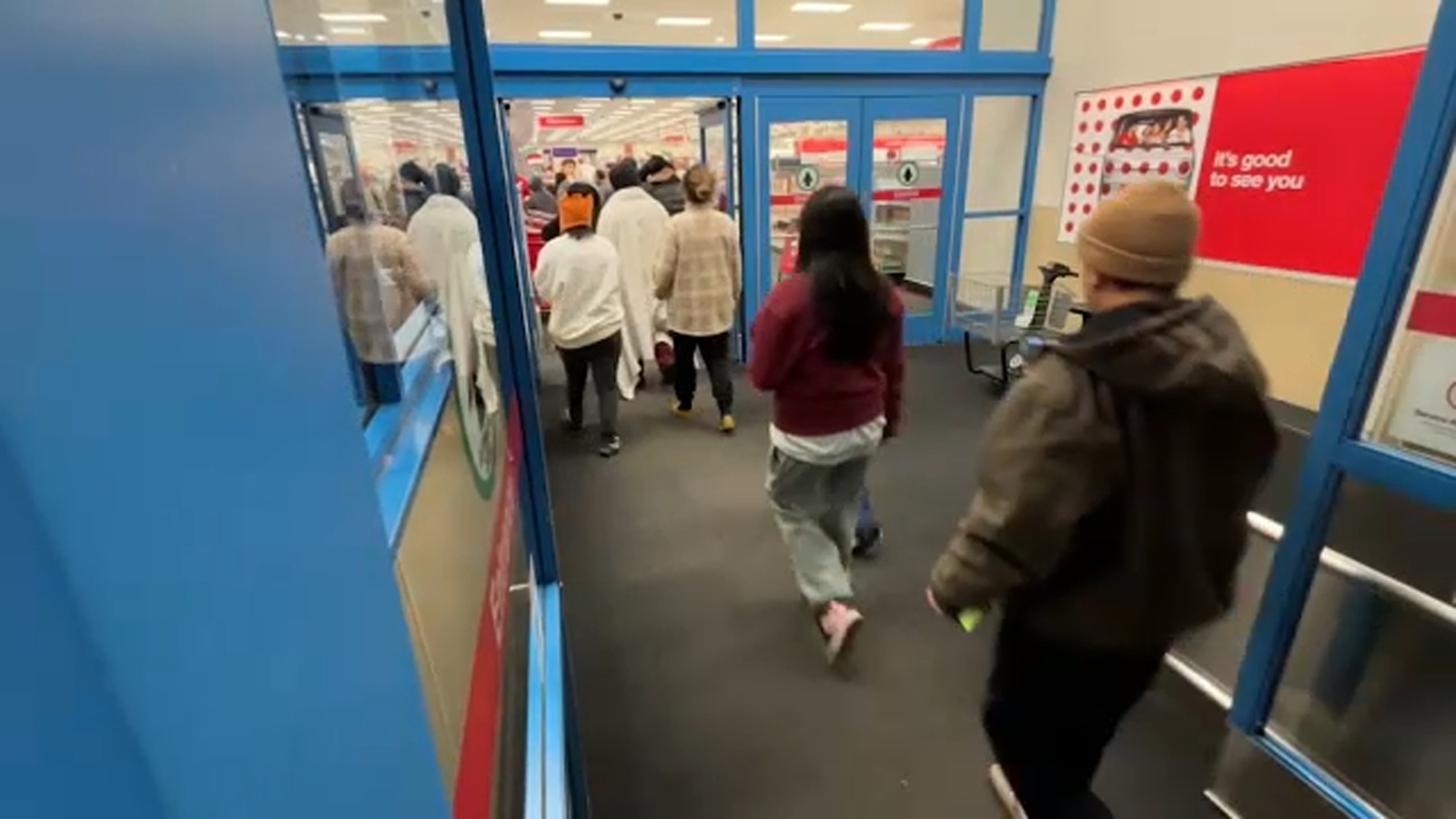
Black Friday activity in the Raleigh–Durham area showed shoppers still responding to deep discounts with crowded mall lots and purchases of TVs, speakers and toys, though some shoppers and reporters noted lighter traffic than in prior years. A coordinated national boycott urging consumers to skip Black Friday through Cyber Monday targets major retailers (Target, Home Depot, Amazon) for political reasons, creating a potential reputational risk that could modestly influence consumer patterns; monitor same‑store sales and NRF receipts for any measurable effect on retailer revenue trajectories.
Market structure: Brick-and-mortar players that promote doorbuster electronics (BBY) are direct beneficiaries of pent-up demand and in-store traffic; expect Best Buy to outperform peers by 5–15% over the next 1–3 months if holiday sell-through exceeds management guidance. Big omnichannel platforms (AMZN, TGT, HD) face reputational headline risk from the boycott but have diversified channels that mute revenue impact; expect any sales hit to be concentrated in discretionary categories and to be <2–3% of quarterly sales absent escalation.
Risk assessment: Tail risks include escalation of coordinated consumer boycotts ahead of the election cycle or regulatory actions tied to political donations; probability low-to-moderate (10–20%) but could knock 5–10% off affected names in weeks if sustained. Near-term (days–weeks) risk is headline-driven volatility around Thanksgiving sales RPMs; medium-term (months) risk ties to actual same-store sales and consumer confidence; long-term depends on wage growth and rates which drive discretionary spending.
Trade implications: Favor tactical, size-limited exposure: long BBY into Dec/Jan with protective hedges and short relative exposure to TGT or AMZN where sentiment is worst (per tickers). Use options to define risk—3-month call spreads on BBY and 1–2 month protective puts on TGT/AMZN around key retail prints. Rotate 2–4% of portfolio from large-cap omnichannel retail into specialty electronics and experiential retail where in-person traffic converts better.
Contrarian angle: Consensus that boycotts will meaningfully dent sales is likely overstated—histor parallels (localized boycotts 2016–2020) showed <3% durable revenue impact; market may be overpricing political risk for TGT/AMZN by 5–10%. Unintended consequence: aggressive shorting of large retailers could create a short-squeeze if holiday beats occur; prefer pair trades to avoid market beta and exploit relative mispricings.
AI-powered research, real-time alerts, and portfolio analytics for institutional investors.
Request DemoOverall Sentiment
neutral
Sentiment Score
0.05
Ticker Sentiment
