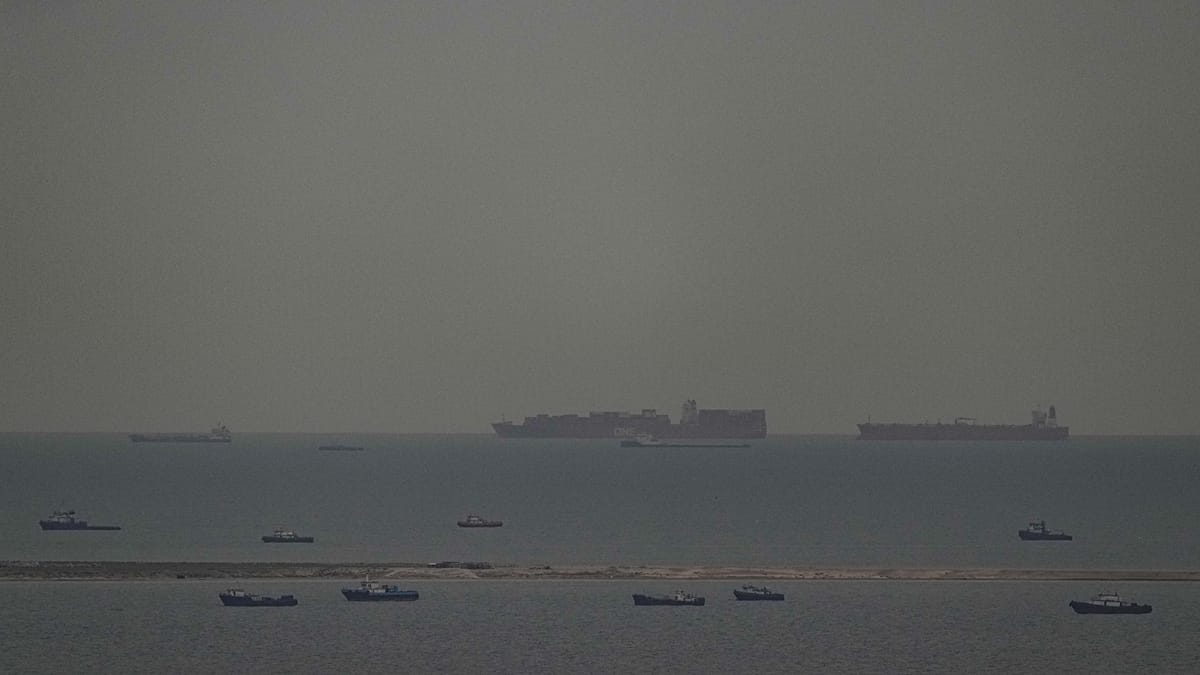
The near-total closure of the Strait of Hormuz has halted a key energy chokepoint (handling ~25–33% of oil shipments), driving Brent to about $119/bbl from ~$70 pre-conflict and contributing to EU gas prices +70% and oil +50%, costing the EU an estimated €13bn in extra fossil fuel imports. Iran’s strikes on 18 March reportedly damaged 30–40% of Gulf refining capacity, removing an estimated ~11 million barrels per day from supply; the IEA released 400 million barrels on 11 March and Saudi alternative routes (Yanbu) are near capacity but have not stabilized markets. EU contingency measures include ~100m tonnes of oil stocks (~90 days' cover), relaxed gas storage fill rules to 75%, and national interventions (tax cuts, subsidies, rationing); analysts warn infrastructure repairs could take months to up to three years, keeping inflationary and industrial-cost pressures elevated.
Market mechanics now favour cash-rich hydrocarbon producers and midstream/pipeline owners with unencumbered export capacity while penalising consumers and energy-intensive manufacturers through squeezed margins and wider credit spreads. Expect a pronounced widening of refined-product-to-crude crack spreads in Europe and the Mediterranean over the next 1–3 months as seaborne arbitrage becomes more expensive and storage moves from neutral to destocking in the near term.
Shipping and insurance are transmission channels that amplify the shock: longer voyages to avoid the chokepoint raise effective delivered fuel costs and push war‑risk and hull insurance premia materially higher, which can render some marginal cargoes uneconomic and accelerate destination switching toward buyers who pay premiums. Those cost adders persist until either a durable security solution reduces route risk (weeks-months) or alternative pipeline capacity meaningfully increases (quarter+).
Financial second‑order effects: expect ECB/BoE to face stickier headline CPI, increasing the chance of policy divergence with the Fed and pressuring European real wages and industrial activity over 3–12 months. Credit spreads for energy‑intensive corporates (steel, cement, chemicals) are likely to widen, creating relative value opportunities in selectively shorting leveraged European industrial credits versus financing‑safe energy names.
Key reversals will be binary and fast: credible de‑escalation (diplomatic corridor, verifiable infrastructure repairs) or a large, coordinated SPR + surge in alternative exports can compress prices within days-weeks; conversely, prolonged infrastructure damage or expanded targeting of Gulf support assets pushes disruption into a structural multi‑year supply reallocation, favouring capex in upstream and defense over long horizons.
AI-powered research, real-time alerts, and portfolio analytics for institutional investors.
Request DemoOverall Sentiment
strongly negative
Sentiment Score
-0.80
