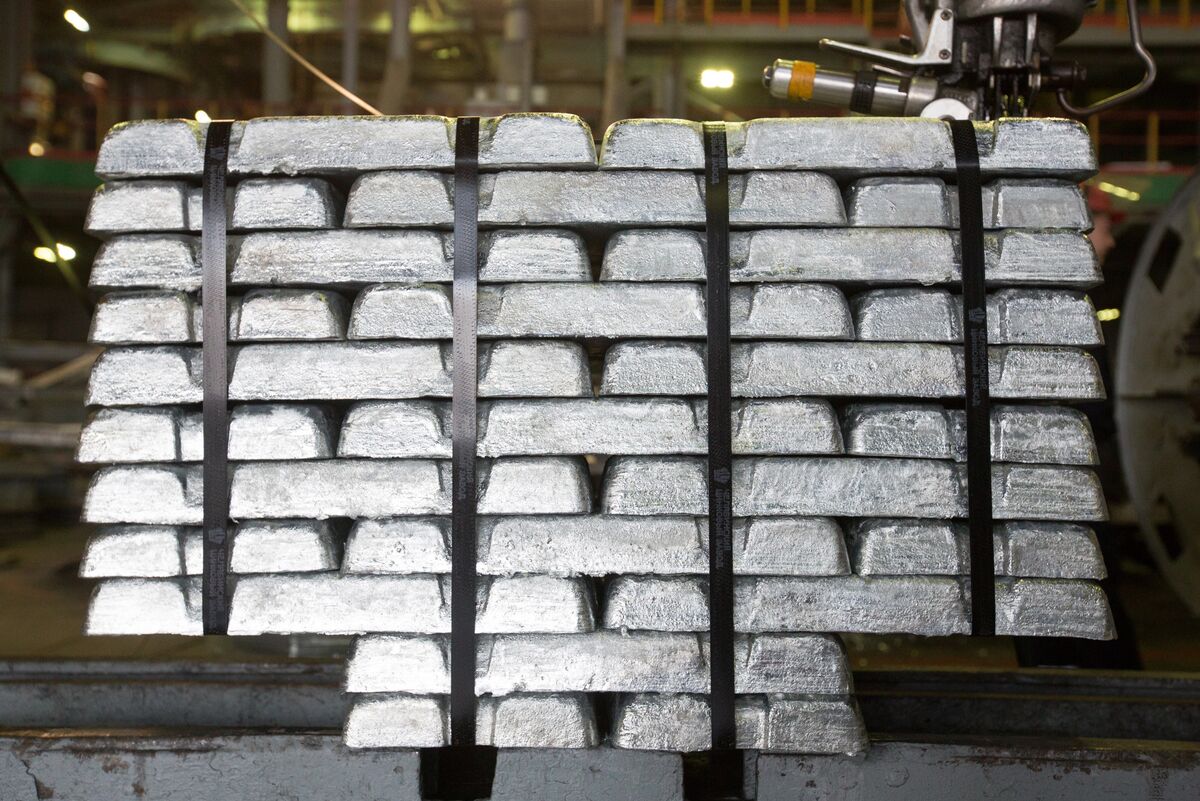
Chinese zinc smelter treatment charges on imported concentrate have fallen to minus $50 a ton, a decade-low that is crushing margins and wiping out profits. The worsening feedstock shortage is pressuring output economics for a market that produces about half of global refined zinc and depends heavily on imports. Negative fees previously triggered production cuts in 2024 as smelters tried to stem losses.
This is less a “zinc price” story than a feedstock squeeze story, and the first-order loser is the marginal Chinese smelter with no captive concentrate or weak balance sheet. Negative treatment charges effectively transfer value from processors to miners, but the second-order effect is that refined supply gets rationed faster than spot prices alone would imply, because the industry has already signaled it will cut output rather than run cash-burning utilization. That makes the near-term setup bullish for ex-China zinc prices while simultaneously bearish for downstream galvanizers that cannot pass through costs quickly. The more interesting spillover is relative-value across the metals complex: zinc is one of the few base metals where supply discipline can show up within weeks, not years, because smelter economics are so transparent. If Chinese cuts materialize, nearby premia and regional spreads should tighten first, then LME backwardation should deepen as physical participants scramble for deliverable metal. Miners with exposure to zinc concentrate are the hidden winners, but the biggest gainers may be traders and producers outside China that can re-route material into a tighter arbitrage window. The key risk to the bearish smelter thesis is policy intervention. If local governments push utilization or if imported concentrate availability improves, the margin squeeze can reverse abruptly, but that likely takes months rather than days. A faster offset would be weaker end-demand from construction and auto, which could cap the rally even as supply falls; in that case the trade becomes about spread compression rather than outright zinc beta. Consensus may be underestimating how fast a negative fee regime forces output cuts, making this a better tactical long on refined zinc and zinc-mining exposure than a structural call on the commodity itself.
AI-powered research, real-time alerts, and portfolio analytics for institutional investors.
Request DemoOverall Sentiment
strongly negative
Sentiment Score
-0.60
