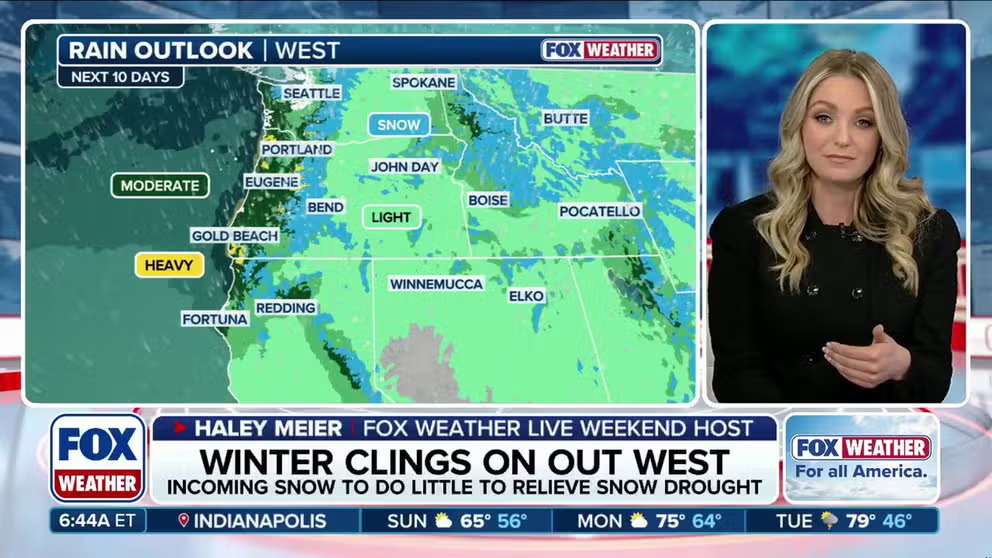
Basins across the Southwest report snowpack at <10% of average and the Upper Colorado River basin is at 0% of average, leaving an estimated 10–20 foot regional snow deficit. Forecasts call for roughly 1–3 feet of additional mountain snow through early April, but the FOX Forecast Center warns this will not materially close the deficit; accelerated melt could push Lake Mead and Lake Powell to alarmingly low levels and raise drought and wildfire risk. Expect negative implications for regional water supply, hydroelectric generation and insurance/wildfire exposure, with only limited near-term relief from incoming storms.
Lower-than-normal mountain snowpack is a supply shock to western hydrology that transmits quickly into the power and commodity markets: reduced spring melt forces more gas-fired generation and irrigation pumping, likely increasing regional natural gas burn by an order that matters for west-coast basis spreads (order 0.5–1.0 Bcf/d regionally) over the next 1–6 months. That creates a compressed spark-spread window where power prices spike during heat or low-reservoir events, concentrating P&L risk in merchant generators and retailers exposed to CAISO day-ahead/real-time price volatility.
Credit and real-economy effects will lag but be persistent. Municipal issuers and irrigation districts face elevated capex and revenue pressure over 6–24 months as water allocations are cut and emergency projects (piping, interties, desalination) are accelerated; expect downgrades concentrated in smaller Western municipal utilities and water-dependent agricultural co-ops first.
Winners are specialized infrastructure and equipment suppliers who get lump-sum contracts (pumps, membranes, pipeline work) and commodity producers who can capture higher marginal fuel value; losers include leisure businesses dependent on snow continuity and regional insurers/reinsurers facing concentrated wildfire and crop-loss tails. Political and fiscal responses (federal emergency funding, accelerated bond issuance) are the key medium-term amplifier — if enacted within 3–12 months they will reallocate cashflows to contractors and reduce muni-credit stress, but implementation risk is high.
Clear near-term catalysts to monitor are western spot natural gas basis and CAISO peak prices in the next 30–90 days, USDA/state water allocation announcements over spring, and any Congressional/federal funding bills; a colder-than-expected April/May would materially dampen the gas/power squeeze and is the primary reversal risk on a weeks-to-months horizon.
AI-powered research, real-time alerts, and portfolio analytics for institutional investors.
Request DemoOverall Sentiment
moderately negative
Sentiment Score
-0.60
