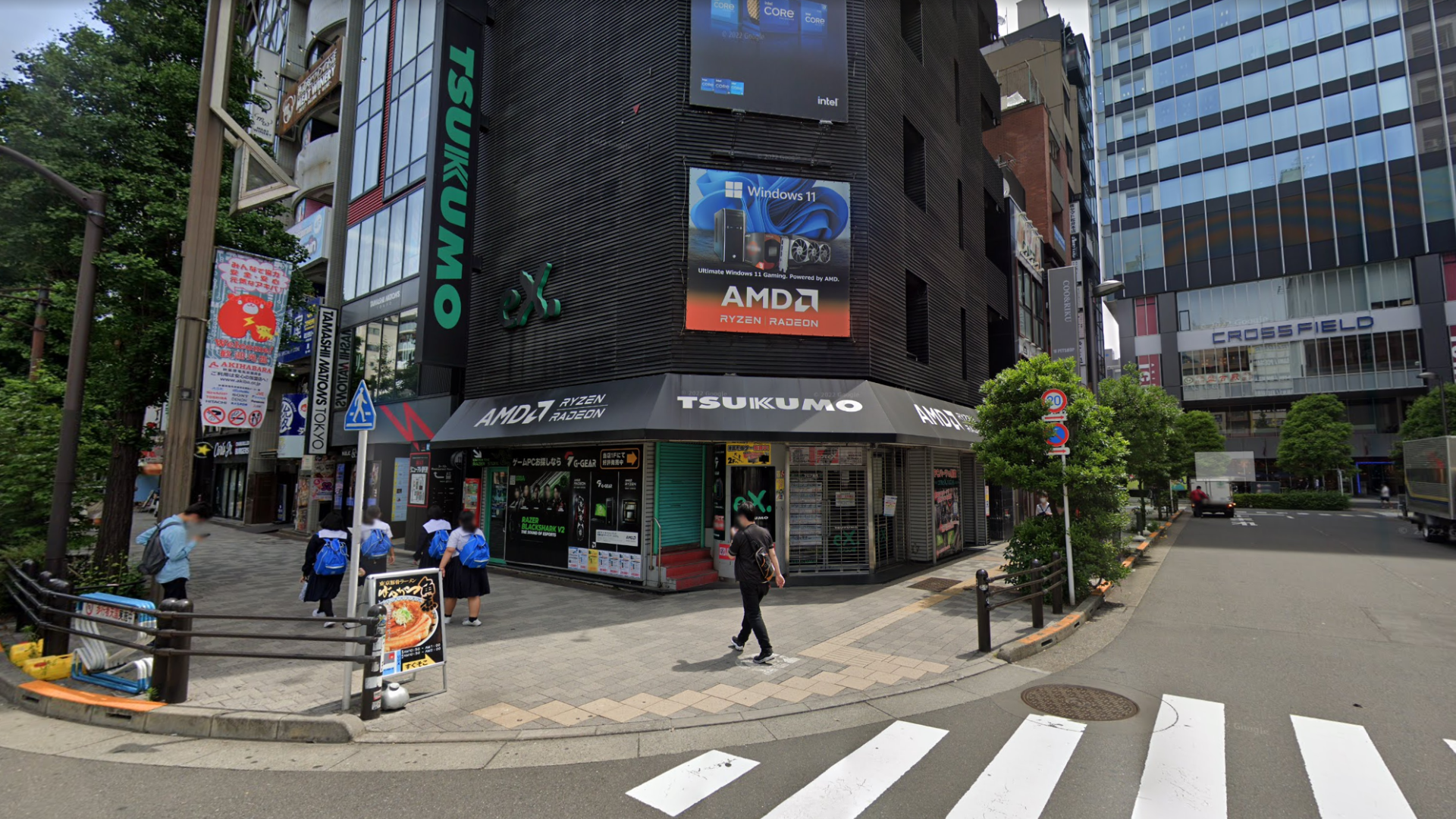
Akihabara retailers report acute shortages and immediate sellouts of higher-memory GeForce GPUs (notably RTX 5060 Ti 16GB and above), prompting blanket purchase limits and covered display cases as restocks remain slow and unpredictable. Shops attribute the disruption to upstream memory supply constraints and rising memory costs, a dynamic that risks sustained availability pressure and pricing volatility for GPU vendors and memory suppliers, with potential knock-on effects for OEM inventories and component makers' near-term revenue/margins.
Market structure: Higher-memory consumer GPUs (16GB+) create a near-term pricing bucket where suppliers and memory vendors gain pricing power while mid/low-end SKUs and AMD Radeon (relatively more in stock) gain share. Memory suppliers (Micron MU, Samsung 005930.KS, SK Hynix 000660.KS) see direct margin tailwinds as GDDR/DRAM spot costs likely to rise ~10–30% over the next 1–3 quarters if current tightness persists; retail PC sellers and system integrators face margin squeeze and lost volume.
Risk assessment: Tail risks include accelerated government export restrictions, a major fabs outage, or rapid memory-capacity expansion that could normalize prices (each could swing prices ±20–40% within 3–9 months). Immediate window (days–weeks) is allocation volatility and secondary-market premium; short-term (1–3 months) is wholesale repricing and inventory rebalancing; long-term (4–12+ months) depends on CAPEX cycles at memory foundries and OEM orderbooks.
Trade implications: Favor long exposure to memory-equipment and DRAM suppliers and selective long AMD exposure for share capture, while hedging NVDA datacenter exposure; option volatility on NVDA/AMD/MU should rise—use defined-risk call spreads to play upside. Rotate away from consumer-focused retailers/SMB system integrators until inventory replenishment visibility improves (monitor weekly DRAM spot reports and vendor shipment guides).
Contrarian angle: Consensus prices in persistent scarcity, but the market may be underestimating rapid capacity response—historically DRAM cycles flip within 6–12 months once capex ramps. Also, secondary used-GPU markets and cloud-gaming rentals could cap retail price gains; hedge memory longs if DRAM spot falls >15% or if suppliers announce >+20% incremental capacity within 6 months.
AI-powered research, real-time alerts, and portfolio analytics for institutional investors.
Request DemoOverall Sentiment
moderately negative
Sentiment Score
-0.50
