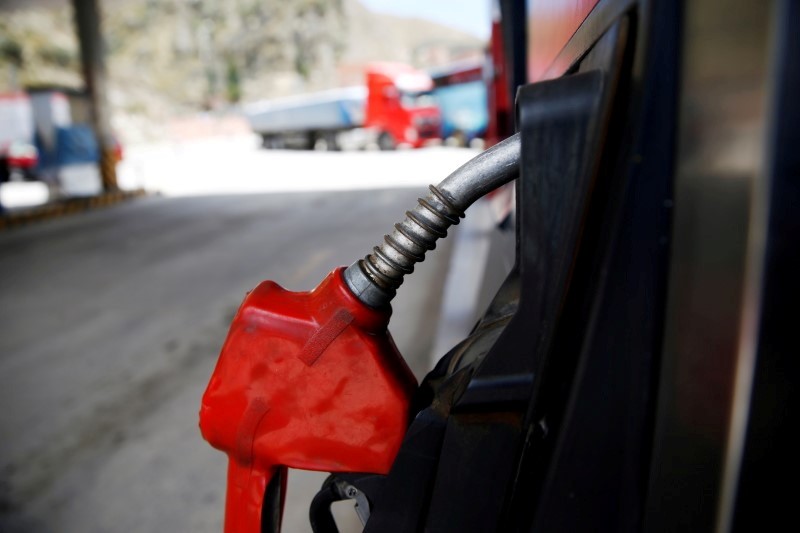
Oil prices rose in early trading Wednesday after the U.S. barred Chevron from exporting Venezuelan crude under a new authorization, raising concerns about tighter supply; Brent crude futures increased 0.73% to $64.56 a barrel, while WTI gained around 0.8% to $61.38 a barrel. The move, reversing a prior license, could force U.S. refiners to rely more on Middle Eastern crude, according to analysts. Gains also reflect a partial recovery from Tuesday's losses tied to stalled Iran-U.S. nuclear talks, which could potentially increase oil supply if resolved.
Oil prices exhibited an upward trend in early Wednesday trading, with Brent crude futures increasing by 0.73% to $64.56 a barrel and U.S. West Texas Intermediate crude advancing approximately 0.8% to $61.38 a barrel. This price movement is primarily linked to the U.S. administration's new authorization for Chevron (CVX) which, while allowing it to maintain assets in Venezuela, prohibits oil exports and expansion of activities, thereby signaling potentially tighter global supply. This development reverses a previous license from February 26 and, according to Westpac’s commodity strategy head, may necessitate U.S. refiners sourcing more crude from the Middle East due to the reduction in Venezuelan barrels, which had previously aided a modest recovery in Venezuelan output to about 1 million barrels per day. Market sentiment is also being shaped by other factors: European Union officials are reportedly preparing for trade discussions with Washington following President Trump's retraction of a 50% tariff threat on European goods, a potentially positive signal for economic activity and oil demand. Conversely, the current oil price gains partially recover losses from Tuesday, which were attributed to limited progress in Iran-U.S. nuclear talks; a resolution here could increase global oil supply. An OPEC+ meeting is scheduled for Wednesday, though no immediate policy shifts are anticipated; however, sources suggest a potential July output increase of around 411,000 barrels per day could be decided by Saturday, which Westpac notes might augment rising inventories amid indications of weak demand approaching the U.S. summer driving season. Specific to Chevron, despite its current prominence in news, an InvestingPro AI analysis reportedly did not rank CVX highly among undervalued stocks, a point underscored by a negative sentiment signal (-0.6) for the company.
AI-powered research, real-time alerts, and portfolio analytics for institutional investors.
Request DemoOverall Sentiment
mixed
Sentiment Score
0.10
Ticker Sentiment
