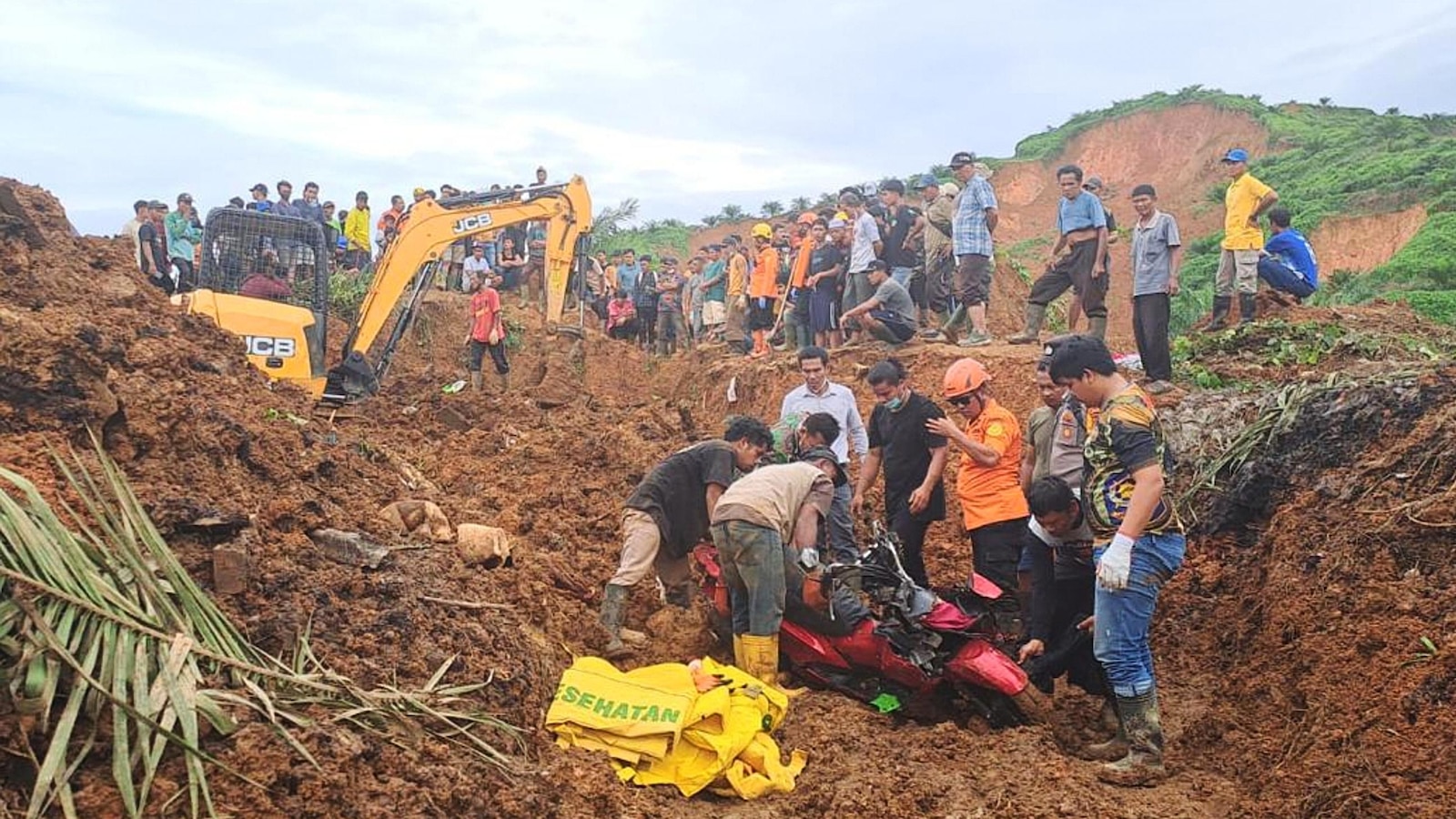
A powerful combination of monsoon-driven floods, landslides and an earthquake on Sumatra has left authorities confirming 248 dead, more than 500 injured and nearly 3,000 displaced families, with localized death tolls including 74 in West Sumatra’s Agam district and 78 still missing. Widespread infrastructure damage — washed-out roads, nine collapsed bridges in Aceh’s Bireuen district and disrupted communications — has hampered rescues and logistics, prompting a state of emergency and urgent need for heavy equipment, fuel, water and generators. For investors, the event implies localized economic disruption, potential spikes in emergency spending and reconstruction demand, and heightened near-term insurance and logistics stress in the affected regions, but is unlikely to materially move broader markets.
MARKET STRUCTURE: Acute destruction of roads, bridges and housing in North Sumatra and Aceh creates immediate demand for heavy equipment, cement, diesel and temporary shelters while local tourism, regional logistics and small retail suffer. Expect a 3–9 month spike in procurement of excavators/tractors and cement (+10–30% regional incremental demand vs baseline) offset by at least a -5% hit to travel/transport volumes in the affected corridors until repairs complete.
RISK ASSESSMENT: Tail risks include prolonged monsoon or aftershocks causing further damage (high-impact, 1–3 month window) and tighter Indonesian fiscal/insurance rules that could increase construction compliance costs over 12–36 months. Hidden dependencies: slow imports of heavy gear (port/logistics bottlenecks) and FX/insurance capacity constraints that can delay recovery spending and push up local interest rates or sovereign spreads by 20–50bp.
TRADE IMPLICATIONS: Near-term long heavy-equipment OEMs and Indonesian cement/aggregates suppliers; short regional travel/logistics names and Indonesia-country ETF (EIDO) until reconstruction clarity (6–12 weeks). Use options to buy 3–9 month call spreads on global OEMs rather than outright equity to limit tail exposure; hedge IDR exposure in FX forwards if >2% move versus USD within 30 days.
CONTRARIAN ANGLES: Consensus focuses on humanitarian downside; market may underprice multi-quarter upside to equipment makers and engineering contractors once government reconstruction contracts are awarded (contracts tend to be backloaded 3–9 months). A disciplined buy-on-announcement strategy (50–70% of target position after formal tender wins) captures upside while avoiding procurement-delay risk.
AI-powered research, real-time alerts, and portfolio analytics for institutional investors.
Request DemoOverall Sentiment
moderately negative
Sentiment Score
-0.40
