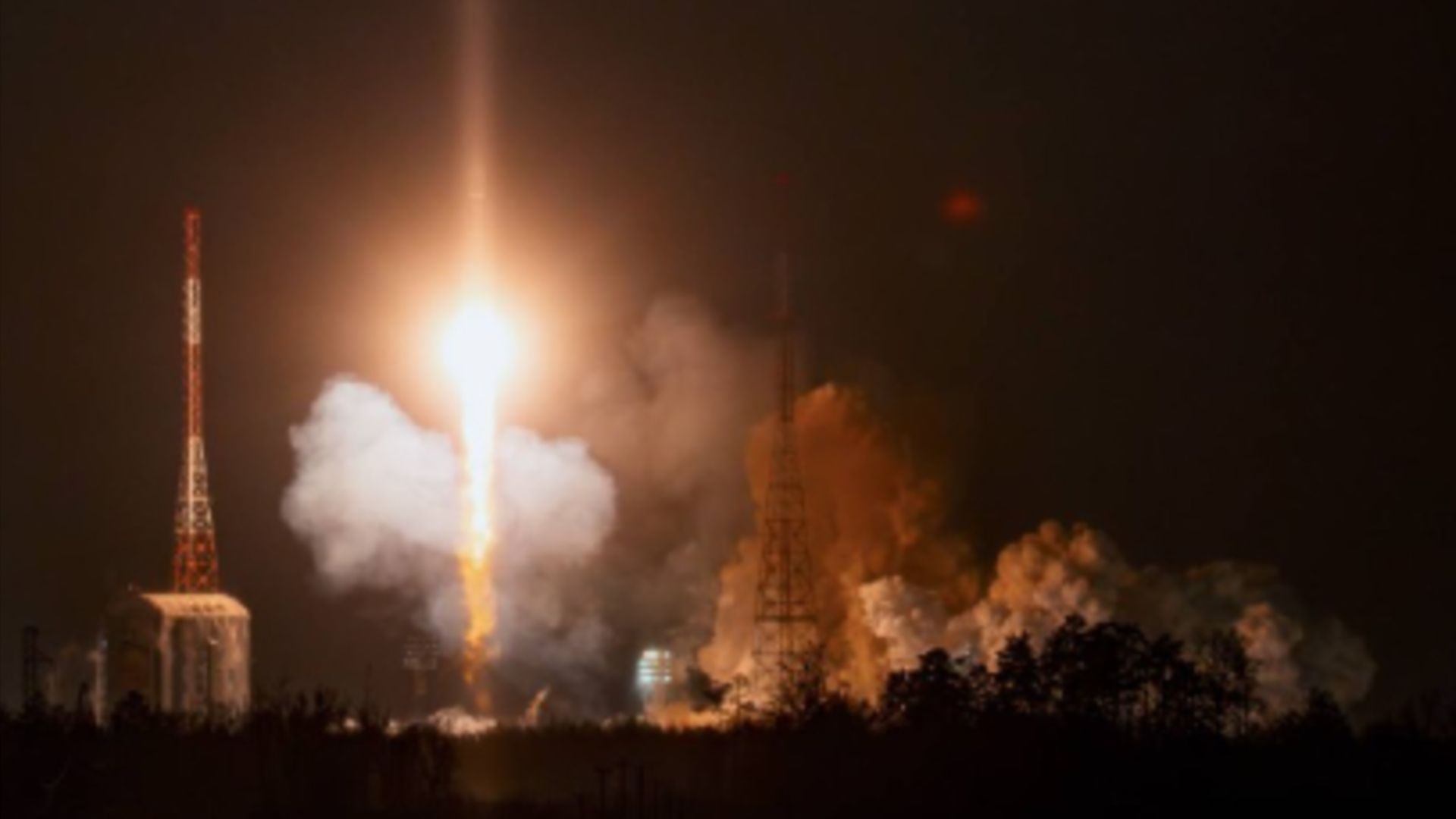
Iran launched three Earth-observation satellites — Paya, Zafar 2 and Kowsar — into orbit aboard a Russian Soyuz 2.1b rocket from the Vostochny Cosmodrome as part of a 52-satellite rideshare mission that included Russian Aist-2T satellites and numerous cubesats. The Iranian satellites are intended to monitor agriculture, map natural resources and the environment; the launch highlights continued Iran–Russia space cooperation despite Western sanctions and may carry geopolitical and export-control implications rather than immediate market consequences.
Market structure: Iran's successful rideshare on a Soyuz lowers short-term launch scarcity for small satellites and benefits providers tied to Russian launch capacity (Russia/Roscosmos partners) while increasing competition pressure on Western small-launch names (Rocket Lab RKLB). Earth-observation and defense primes (Maxar MAXR, L3Harris LHX, Lockheed LMT, Northrop NOC, RTX) gain strategic demand for imagery/analytics and ISR integration, improving pricing power for software/analytics vs commoditized launch margins.
Risk assessment: Tail risks include accelerated sanctions on Roscosmos or secondary sanctions on counterparties (1–12 months) which could freeze rideshare capacity and spike launch insurance costs by >200–300 bps; military use of EO data could provoke retaliatory strikes raising oil-price volatility (short-term). Hidden dependencies: dual-use component supply chains (China, UAE) and insurance/reinsurance exposure are opaque and could transmit shocks to listed suppliers over 3–18 months. Key catalysts: OFAC/Treasury listings, further Iran launches in next 90 days, or NATO/US military guidance that upgrades threat levels.
Trade implications: Direct plays favor a 1–3% overweight in defense primes (LMT, NOC, RTX) and geospatial/analytics (MAXR, LHX) for a 6–12 month horizon; underweight or hedge small-launch pure-plays (RKLB) for 3–9 months. Options: buy 6–9 month call spreads on LMT/NOC (5–15% OTM) to cap cost; buy 3–6 month put protection on RKLB sized to 1–2% NAV. Rotate 2–4% from commercial launch exposure into satellite analytics and defense systems within 30–90 days.
Contrarian angles: Consensus may underprice Iran's growing indigenous EO capability — operationally affordable cubesat constellations can erode premium imagery pricing over 2–5 years, hurting high-valuation imagery names that lack defense contracts. Reaction to this single launch is likely muted; a series of launches or demonstrated militarization would re-rate insurers and launch providers. Historical parallel: late-2010s cheap smallsat commodification pressured launch margins; outcome depends on whether Western policy tightens or tolerates Russian rideshares, an event-driven bifurcation for winners vs losers.
AI-powered research, real-time alerts, and portfolio analytics for institutional investors.
Request DemoOverall Sentiment
neutral
Sentiment Score
0.05
