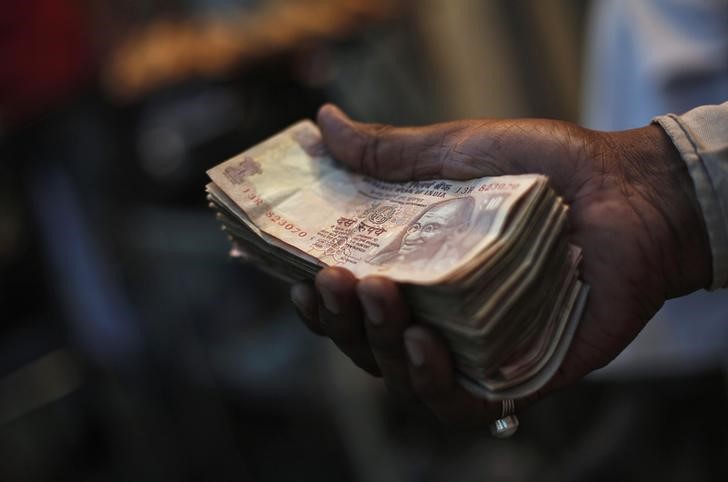
U.S. President Trump announced a 10-day pause on strikes targeting Iran's energy infrastructure, which helped calm markets; the U.S. Dollar Index edged down ~0.1% in Asian hours. Crude had briefly spiked toward $120/barrel at the height of the tensions, keeping inflation risks elevated and reinforcing expectations that U.S. rates will remain 'high for longer', underpinning the USD and pressuring Asian FX. Asian pairs were largely muted (USD/JPY -0.1%), but USD/INR hit a record high of 94.301 before settling at 94.174 (-0.1%), while AUD/USD rose ~0.2%.
The market’s relief rally from a temporary pause in kinetic action is likely to be both shallow and short-lived: the pause removes a headline tail for days but does not alter the structural drivers keeping the USD bid — namely sticky US real yields and the prospect of sustained oil-driven inflation. That combination preserves a skew where carry and safety flows favor USD asymmetrically against energy‑importing Asian FX; expect episodic decompression of FX volatility, not a regime shift.
Second‑order winners are the upstream US energy complex and midstream owners of storage/transport (they lock in lifting margins if Brent stays elevated), while Asian balance‑sheet constrained corporates and import dependent nations (India, Korea) face deteriorating current accounts and larger FX hedging costs. Supply‑chain effects: petrochemical and shipping margins improve if volatility normalizes, but capital reallocation into energy capex (drill rigs, vessels) can take 6–18 months, keeping crude structurally supported even if spot retraces.
Key risks and catalysts: a reversal catalyst can arrive within days if the pause breaks or if Iran repositions assets covertly — a rapid re‑pricing to $100+ Brent could occur within a week and would push USD higher and Asian FX lower. Over 3–12 months, watch SPR releases, coordinated diplomatic deals, and OPEC supply responses; any meaningful diplomatic detente or OPEC easing would shave 10–20% off immediate risk premia and compress energy equity multiples.
Positioning implication: favor convex, time‑bounded exposures to oil upside and direct USD carry, and avoid large directional duration in EM local‑currency debt. Use short dated options to monetize the higher tail‑risk skew now compressed by the pause, and size positions assuming 15–25% realized oil volatility if the conflict reignites within 30 days.
AI-powered research, real-time alerts, and portfolio analytics for institutional investors.
Request DemoOverall Sentiment
mixed
Sentiment Score
-0.05
Ticker Sentiment
