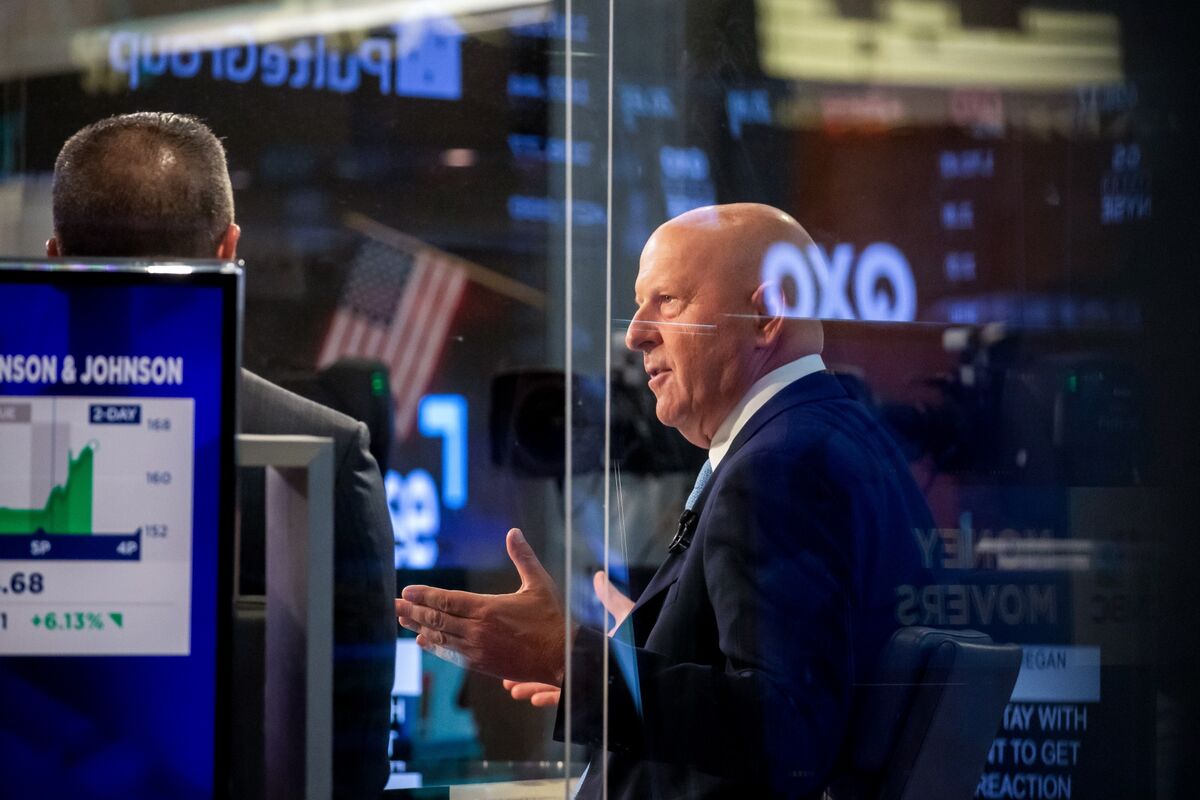
Goldman Sachs and Morgan Stanley, alongside other major US banks, reported a record quarter for trading revenue, significantly exceeding second-quarter expectations. This surge was fueled by heightened market volatility, particularly from uncertainty around President Trump’s tariffs, which spurred activity across equity, currency, and bond markets. Concurrently, banks are strategically addressing competitive threats from fintechs, with JPMorgan moving to monetize data previously used by rivals, and navigating the emerging stablecoin landscape, as exemplified by Citigroup considering issuance despite regulatory warnings.
The five largest U.S. banks capitalized on significant market volatility to achieve record trading revenue in the first half of 2025, decisively beating second-quarter expectations. This performance, benefiting firms like Goldman Sachs and Morgan Stanley, was directly fueled by a surge in trading activity across equity, currency, and bond markets stemming from uncertainty surrounding President Trump's tariff policies. Beyond the trading windfall, major banks are implementing strategic pivots to address long-term competitive threats. JPMorgan is notably moving to monetize data infrastructure that fintech platforms such as Robinhood and Coinbase have historically relied upon, with PNC considering a similar approach, signaling a new front in the competition between incumbents and challengers. Simultaneously, the sector is navigating the nascent digital asset space, as evidenced by Citigroup's consideration of issuing its own stablecoins, a move that directly follows a cautionary warning against such tokens from the Bank of England Governor, highlighting a proactive, albeit potentially risky, engagement with financial innovation.
AI-powered research, real-time alerts, and portfolio analytics for institutional investors.
Overall Sentiment
strongly positive
Sentiment Score
0.75
Ticker Sentiment
