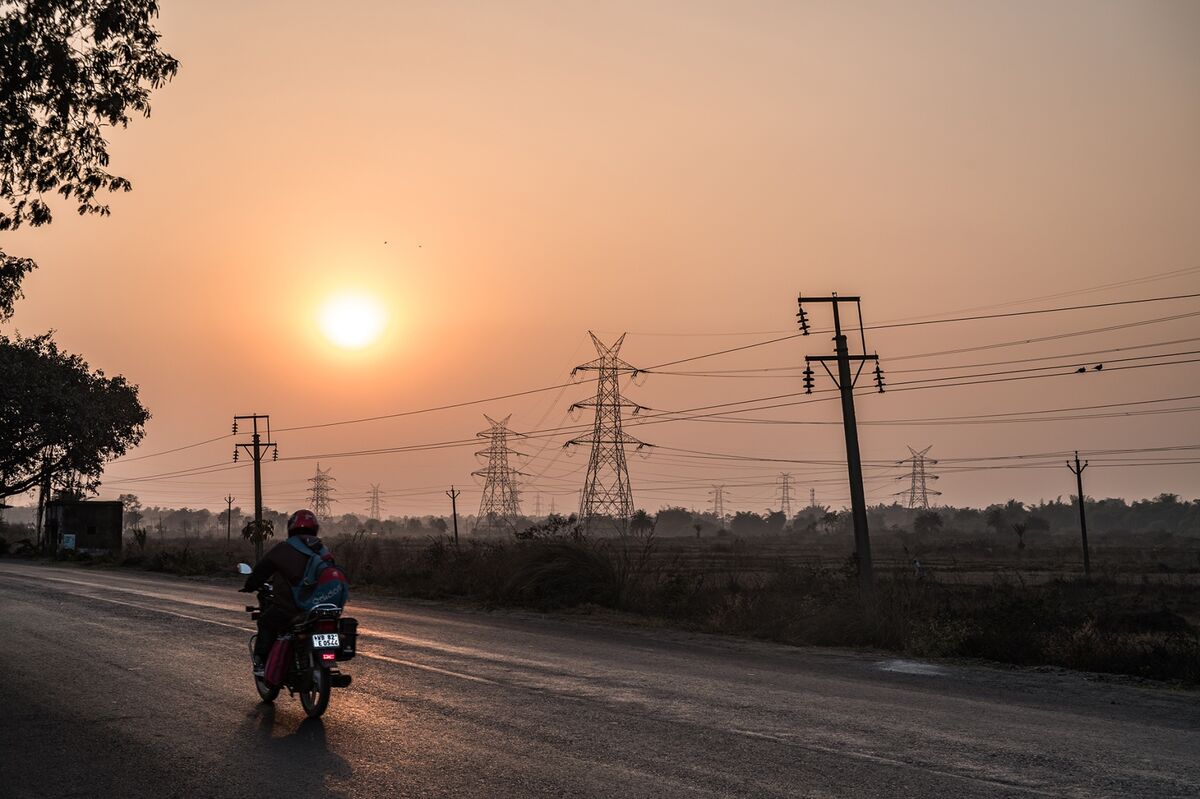
Roughly half of India is expected to see normal to below-average maximum temperatures while the remainder will face above-normal conditions, with most of the country forecast to experience higher-than-normal heat-wave days through May and June. That raises the risk of power shortages as energy supplies are strained by the Iran war, potentially pressuring domestic utilities and energy markets and increasing short-term reliability and supply risks.
Expect near-term upward pressure on Indian gas and diesel demand into the May–June peak cooling window, concentrating stress on regasification bottlenecks and spot LNG markets over a 1–3 month horizon. Physical constraints (liner schedules, berthing, inland trucking) mean price moves will amplify before additional cargoes can be floated — a realistic 4–8 week window from price signal to delivered supply in many corridors.
Second-order winners will be firms that monetize spot fuel scarcity rather than base-load generators: regasifiers, gas traders, and local diesel/genset OEMs see immediate margin expansion; coal exporters to India may also capture share if logistics favor bulk shipments. Conversely, domestic discretionary sectors and energy-intensive manufacturers face margin compression and potential demand destruction if rolling outages or price spikes persist beyond two months, creating asymmetric downside for short-duration cyclicals.
Key reversals: an early/strong monsoon or diplomatic de-escalation that rapidly eases crude/LNG risk would unwind price premia within 30–90 days; structural upside persists only if geopolitical disruption shifts long-term procurement away from the Middle East, which would take quarters to years. Monitor regasification utilization, spot LNG freight spreads (TC20/TC40 proxies), and power-availability notices as high-frequency triggers that historically precede price moves by 2–3 weeks.
AI-powered research, real-time alerts, and portfolio analytics for institutional investors.
Overall Sentiment
mildly negative
Sentiment Score
-0.30
