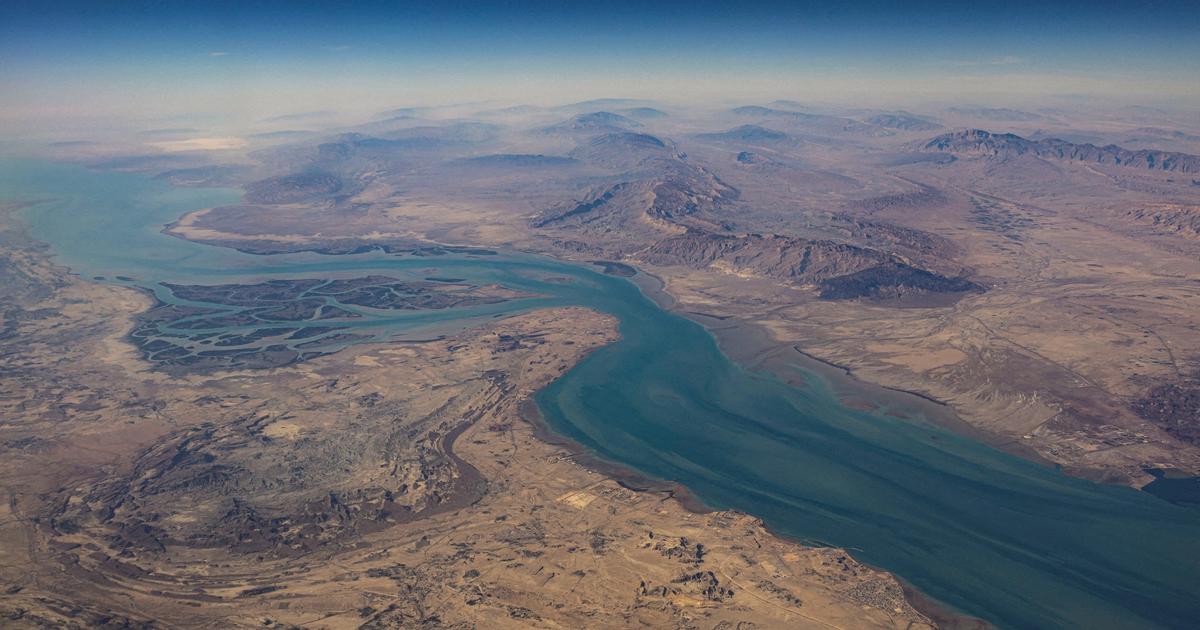
Trump issued a 48-hour ultimatum to reopen the Strait of Hormuz; Iran responded that the waterway remains open to all except what it calls 'enemies' and that passage must be coordinated with Iranian authorities. Tehran said diplomacy is its priority but blamed US and Israeli attacks as the root cause, increasing the risk of escalatory incidents that could disrupt shipping and regional energy flows. A breakdown in coordination or any targeted actions could materially raise energy supply risk, push oil prices and shipping/insurance costs higher, and have knock-on effects for markets sensitive to Gulf supply disruptions.
Heightened Persian Gulf friction is creating an insurance-and-routing shock that is asymmetric across the maritime complex: VLCC/time-charter economics respond quickly (days–weeks) to route diversions and premium spikes, while oil producers and refiners respond over weeks–months as inventories and arbitrage windows adjust. A modest increase in voyage duration (6–10 days) or a 100–200% jump in war-risk premiums materially raises break-even freight costs, effectively tightening seaborne crude availability even without physical interdiction.
Price sensitivity is nonlinear: market moves of $8–18/bbl are plausible within 2–8 weeks for a 0.5–1.0 mb/d effective reduction in easy seaborne flows, given limited spare export capacity and slow SPR policy responses. That amplifies cash generation for mid/large cap upstream names and spot tanker earnings, while compressing margins for jet-fuel dependent operators and refiners that lack crude slate flexibility.
Second-order winners include owners of large, fixed-asset shipping (VLCCs/Suezmax) and regional refiners with direct access to Gulf crude replacement barrels; losers are short-cycle transport (airlines, short-haul logistics) and insurers/reinsurers facing reserve increases. Over months, diplomatic backchannels and re-flagging/escorting solutions can erode the premium, so equities tied to freight and short-term spreads will be most volatile.
Key catalysts to watch: an overt kinetic closure or minefield event (days–weeks shock), major insurer withdrawal/IG re-rating (days), and coordinated diplomatic de-escalation or opening of alternative export corridors (weeks–months) that would quickly roll back risk premia. Positioning should favor assets that re-rate immediately on freight or Brent moves and be protected against a rapid normalization scenario.
AI-powered research, real-time alerts, and portfolio analytics for institutional investors.
Request DemoOverall Sentiment
mildly negative
Sentiment Score
-0.25
