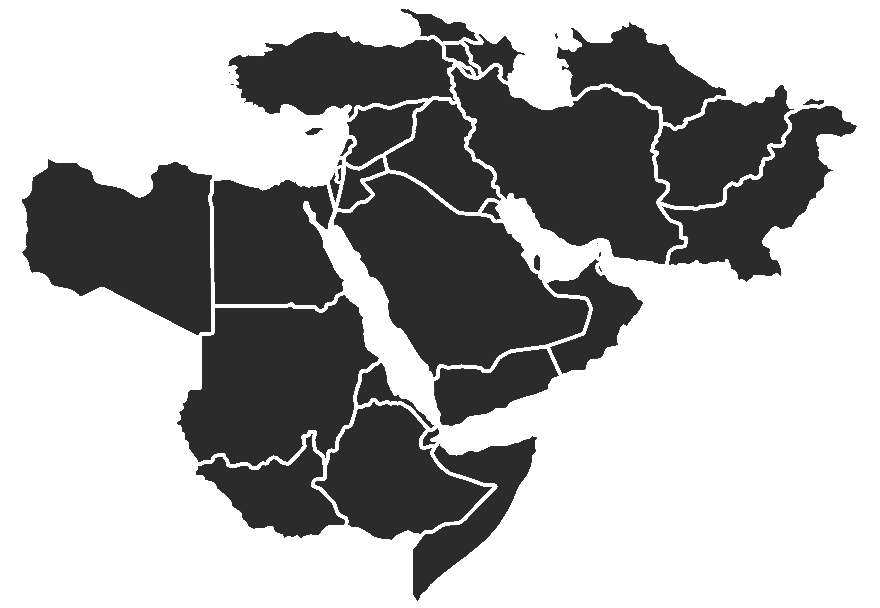
Iran is escalating deterrence and preparing for renewed hostilities, including reported attempts to infiltrate Bubiyan Island, drills near Mahshahr Port, and continued demands for formal sovereignty over the Strait of Hormuz before nuclear talks. The article also notes US naval pressure, fresh Treasury sanctions on Iranian oil-linked individuals, and allied contingency planning to secure shipping, while warning that Gulf energy exports have already been sharply disrupted. These developments imply a sustained geopolitical risk premium for oil, shipping, and broader regional stability.
The market is underpricing how quickly a “ceasefire” can morph into a quasi-blockade regime. If Iran successfully normalizes sovereign control over Hormuz, the key second-order effect is not just higher crude volatility; it is a structural tax on Gulf trade routes, insurance, and regional liquidity that would hit Saudi/UAE growth, port throughput, and bank earnings before it fully shows up in energy prices. That argues for treating this as a broader Gulf risk event rather than a narrow oil headline.
The more interesting near-term signal is operational dispersion: moving aircraft and staging drills away from obvious targets implies Iran is optimizing for survivability, not escalation optics. That tends to prolong conflict duration and increases the probability of intermittent, hard-to-hedge disruption rather than one clean supply shock. In that regime, implied vol in shipping, defense, and regional equities is likely too cheap relative to realized tail risk over the next 2-6 weeks.
Consensus may be overfocusing on immediate tanker flows and underweighting internal regime securitization. When internal-security units train against external enemies, it usually means the leadership is preparing for synchronized external pressure and domestic unrest, which raises the odds of miscalculation if sanctions bite harder or a naval incident occurs. The biggest reversal trigger would be credible, multilateral security guarantees for Hormuz plus a verifiable pause in covert positioning; absent that, de-escalation rallies are likely fadeable.
AI-powered research, real-time alerts, and portfolio analytics for institutional investors.
Overall Sentiment
strongly negative
Sentiment Score
-0.78
Ticker Sentiment
