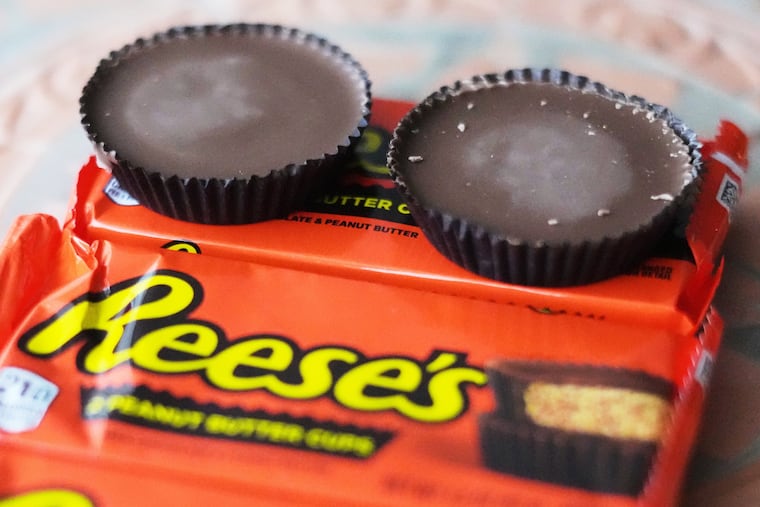
25%: Hershey will increase R&D funding by 25% next year and said it will revert all Reese’s products to classic milk/dark chocolate recipes by 2027. The company also plans transitions to natural colors and a creamier Kit-Kat recipe. The changes follow a public criticism from Brad Reese (grandson of the Reese’s founder) over ingredient substitutions and come amid prior cost-driven experimentation due to high cocoa prices.
A public credibility hit around flagship confectionery typically forces two simultaneous margin dynamics: (1) higher variable input cost as formulary changes move back toward higher-cocoa / higher-dairy recipes, and (2) elevated SG&A and capital intensity from SKU retooling and marketing to re-establish quality signals. From experience across global CPG turnarounds, expect a near-term gross-margin headwind in the 50–150bps range for 6–18 months as factories run mixed SKUs and promotional activity rises, then partial recovery if pricing power is re-established.
Second-order supply effects are concentrated in specialty cocoa, dairy solids, and natural colorant markets. A directional increase in demand for higher-grade cocoa butter and milk powder tightens spreads between commodity cocoa and premium couvertures; trade desks and processors (who can supply premium couvertures at scale) will see the most immediate lift in order flow. Parallel pressure on natural pigments (annatto/turmeric) and co-packer capacity creates potential bottlenecks for small seasonal SKUs, raising working-capital needs and lead times.
Key catalysts to watch that will move the tape: quarterly input-cost disclosure and SKU-level margin commentary (next 1–4 quarters), initial consumer trial metrics from reformulated premium SKUs (2–6 quarters), and cocoa/dairy spot curves (weeks–months). The biggest tail risk is a cocoa/dairy price spike or execution slippage that forces either painful price increases (demand elasticity test) or margin erosion; conversely, if consumers are indifferent, the reputational rehab will cost cash with little volume upside, leaving only a one-time downside.
AI-powered research, real-time alerts, and portfolio analytics for institutional investors.
Overall Sentiment
mildly positive
Sentiment Score
0.18
Ticker Sentiment
