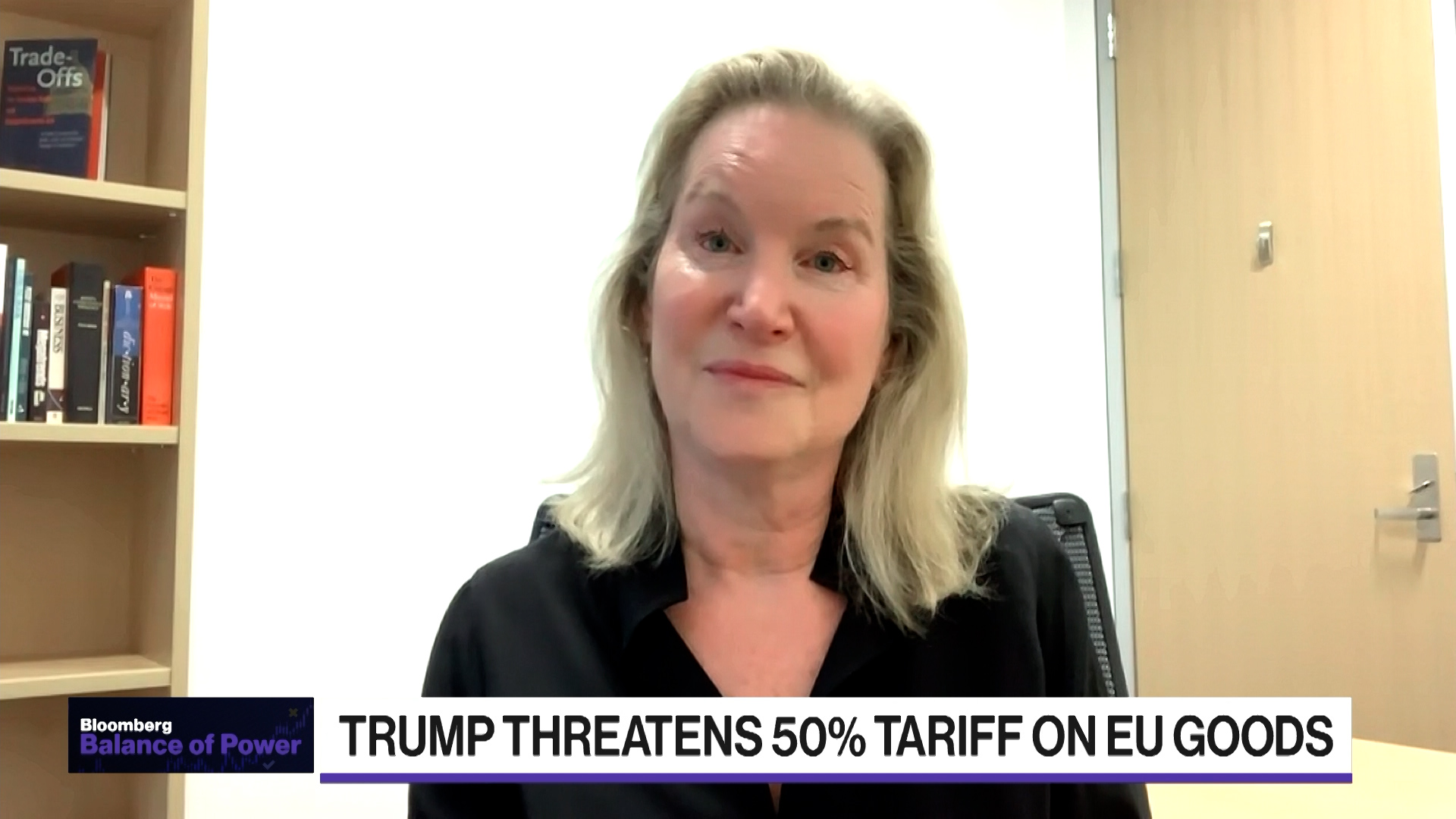
Former U.S. Trade Representative Susan Schwab discussed the potential economic ramifications of former President Trump's proposed tariff policies in an interview with Bloomberg. Schwab emphasized the risk of retaliatory measures from other countries, which could negatively impact American businesses, consumers, and overall economic growth, while also highlighting the complexities of implementing broad tariffs effectively.
Former U.S. Trade Representative Susan Schwab has articulated significant potential economic headwinds stemming from former President Trump's proposed tariff policies. According to her interview with Bloomberg, a primary concern is the high probability of retaliatory tariffs from other countries, which could negatively impact American businesses, consumers, and overall U.S. economic growth. Schwab also emphasized the practical difficulties and complexities associated with the effective implementation of broad tariffs. The neutral sentiment score (0.0) suggests a balanced presentation of these potential risks, while the market impact score of 0.5 indicates a moderate level of anticipated market sensitivity to such policy discussions. The dominant themes identified, "Tax & Tariffs" and "Trade Policy & Supply Chain," underscore the direct relevance of these potential policies to critical aspects of the economic and market landscape.
AI-powered research, real-time alerts, and portfolio analytics for institutional investors.
Request DemoOverall Sentiment
neutral
Sentiment Score
0.00
