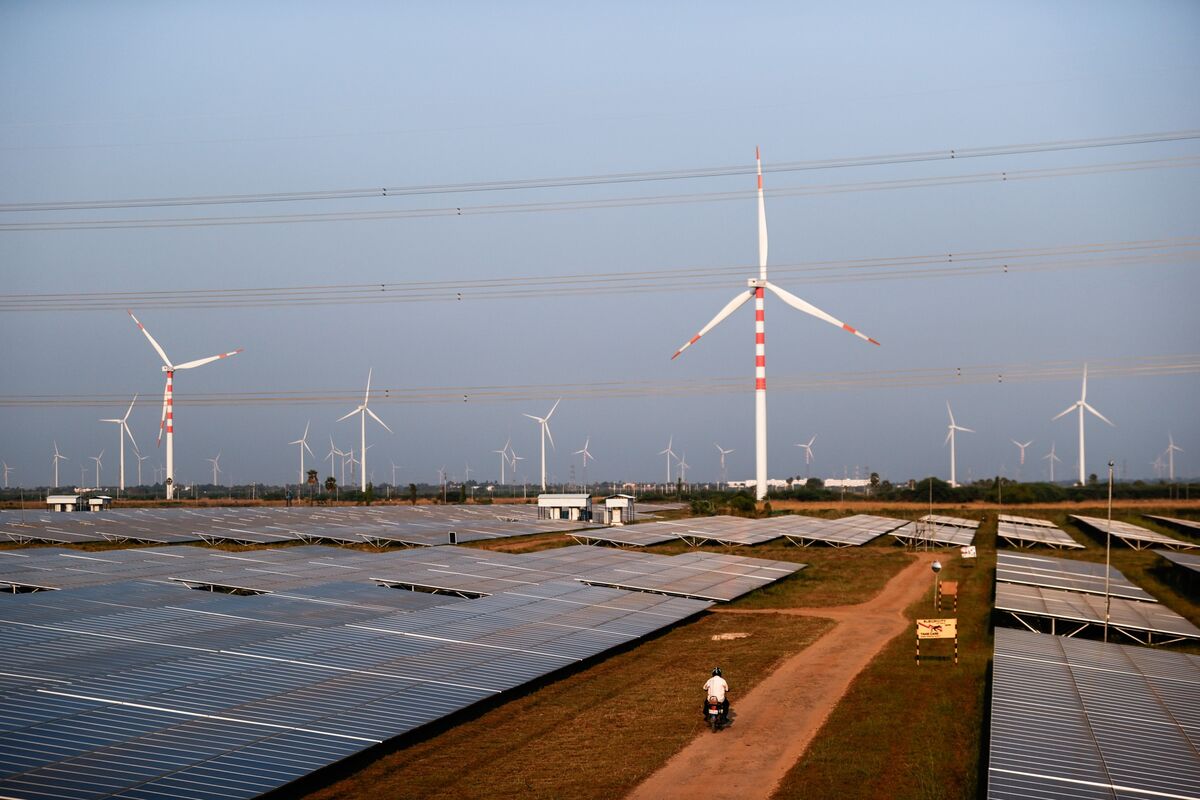
India has reduced the Goods and Services Tax (GST) on domestic sales of renewable energy equipment, including solar panels and windmill parts, from 12% to 5%, effective September 22. This measure aims to lower costs for consumers, stimulate local consumption, and mitigate the impact of US tariffs, potentially accelerating renewable energy capacity installations across the country.
India's finance ministry is implementing a significant fiscal stimulus for its domestic renewable energy sector by reducing the Goods and Services Tax (GST) on related equipment from 12% to 5%. This policy change, effective September 22, directly lowers the cost of critical components such as solar panels and parts for windmills and biogas plants. The measure is positioned as a dual-purpose strategy: firstly, to bolster local consumption and accelerate renewable capacity installations by making projects more economically viable for consumers and developers, and secondly, as a defensive economic maneuver to mitigate the impact of punitive US tariffs. The more than 50% cut in the tax rate is a material benefit that directly reduces the capital expenditure for new energy projects, thereby enhancing project returns and incentivizing further investment in the country's renewable transition.
AI-powered research, real-time alerts, and portfolio analytics for institutional investors.
Request DemoOverall Sentiment
moderately positive
Sentiment Score
0.55
