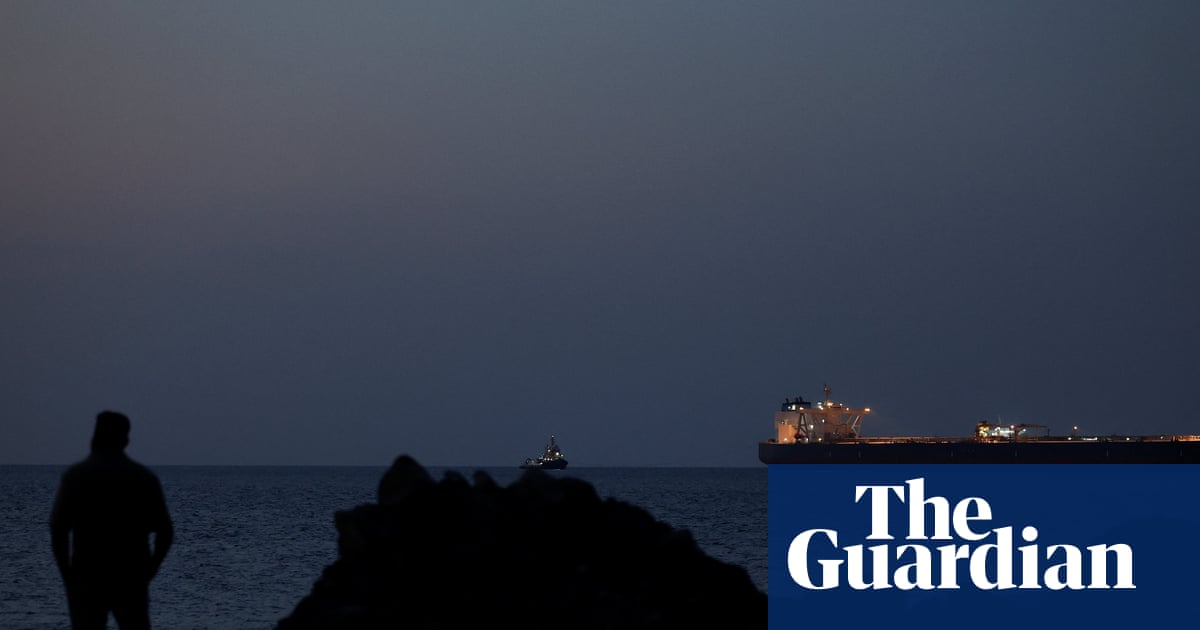
The US military says it attacked and destroyed 16 Iranian mine-laying vessels near the Strait of Hormuz; about 20% of global oil transits the strait and reports suggest Iran has already laid a few dozen mines with capacity to lay hundreds more. This materially raises near-term oil supply and shipping-risk premia, risks spiking crude price volatility and insurance/charter costs given hundreds of tankers are reportedly waiting and pipeline bypass capacity covers only a fraction of exports. Political fallout includes elevated regional conflict risk and domestic US political noise (a withdrawn Trump nominee and contentious House politics), supporting safe-haven flows and potential market-wide volatility. Separately, a large study finding a ~5x higher sudden sight-loss risk on Wegovy vs Ozempic is a sector-specific negative for obesity drug positioning and patient-safety sentiment in healthcare equities.
The market reaction will be driven less by the immediate headline and more by the change in perceived probability of sustained maritime disruption and insurance premium repricing. A durable hit to sea-borne export capacity for even a few percent of global crude would propagate into forward oil curves (front-month up sharply vs back-month) and force logistics detours that raise effective delivered costs across crude, refined products and bulk commodities.
Second-order winners will be those who capture higher margins without immediate capital redeployment: short-cycle US producers and owners of alternative pipelines/terminals that can take incremental cargoes; losers will be logistics-intensive refiners, spot-dependent commodity traders and operators with concentrated tanker or container exposure who face higher voyage costs and insurance surcharges. Financially, expect a discrete widening of freight and war-risk insurance spreads within days and a multi-week window of elevated volatility in energy and shipping equities.
Key catalysts and timeframes: days–weeks for freight rate spikes and insurance rate announcements, weeks–months for oil-price rebalancing as crude flows are rerouted or strategic reserves are drawn, and quarters for capex decisions in shipping or upstream to shift economics. Reversal drivers include rapid neutralization/clearance of sea hazards, large coordinated SPR sales, or de-escalatory diplomacy; absent one of those, premium repricing is likely to persist and become structural for 3–6 months.
AI-powered research, real-time alerts, and portfolio analytics for institutional investors.
Request DemoOverall Sentiment
strongly negative
Sentiment Score
-0.60
