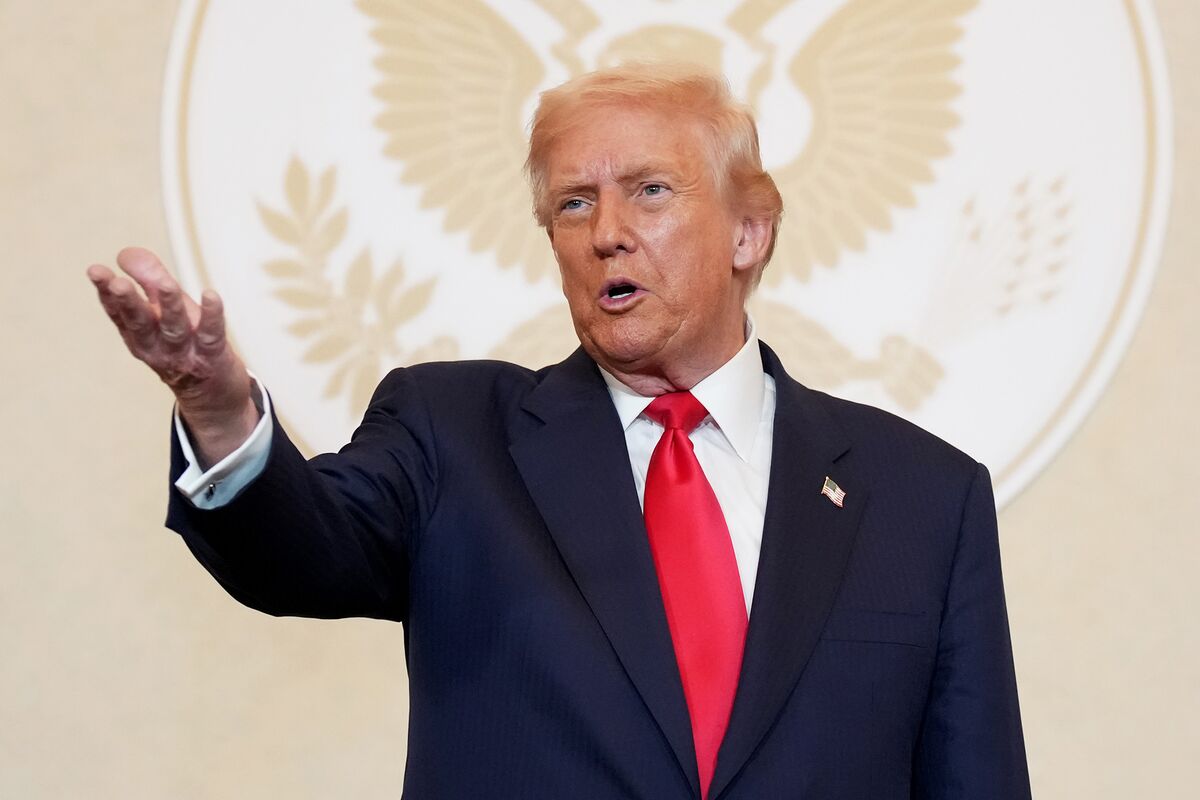
US NATO Ambassador Matthew Whitaker confirmed on Bloomberg TV that President Trump intends to enforce new, stringent oil sanctions against Russia. This move is designed to compel Vladimir Putin into negotiations to resolve the Russia-Ukraine conflict, signaling sustained economic pressure on Russia's energy sector and potential implications for global oil markets.
US NATO Ambassador Matthew Whitaker confirmed President Trump's intention to enforce new, stringent oil sanctions against Russia, aiming to compel Vladimir Putin into negotiations to end the Russia-Ukraine conflict. This hawkish stance signals a continuation of economic pressure as a primary geopolitical tool, directly targeting Russia's revenue streams.
The implementation of "harsh new oil sanctions" carries a "moderately negative" sentiment and a "0.6" market impact score, indicating potential for significant disruption in global markets. This move underscores the ongoing geopolitical tensions and the strategic use of economic warfare to influence international outcomes.
Investors should anticipate increased volatility in global oil markets as these sanctions are enforced, potentially affecting crude prices and the profitability of energy companies. The direct pressure on Russia's energy sector could lead to shifts in global supply dynamics, requiring careful monitoring of energy commodity prices and related equities.
AI-powered research, real-time alerts, and portfolio analytics for institutional investors.
Request DemoOverall Sentiment
moderately negative
Sentiment Score
-0.50
