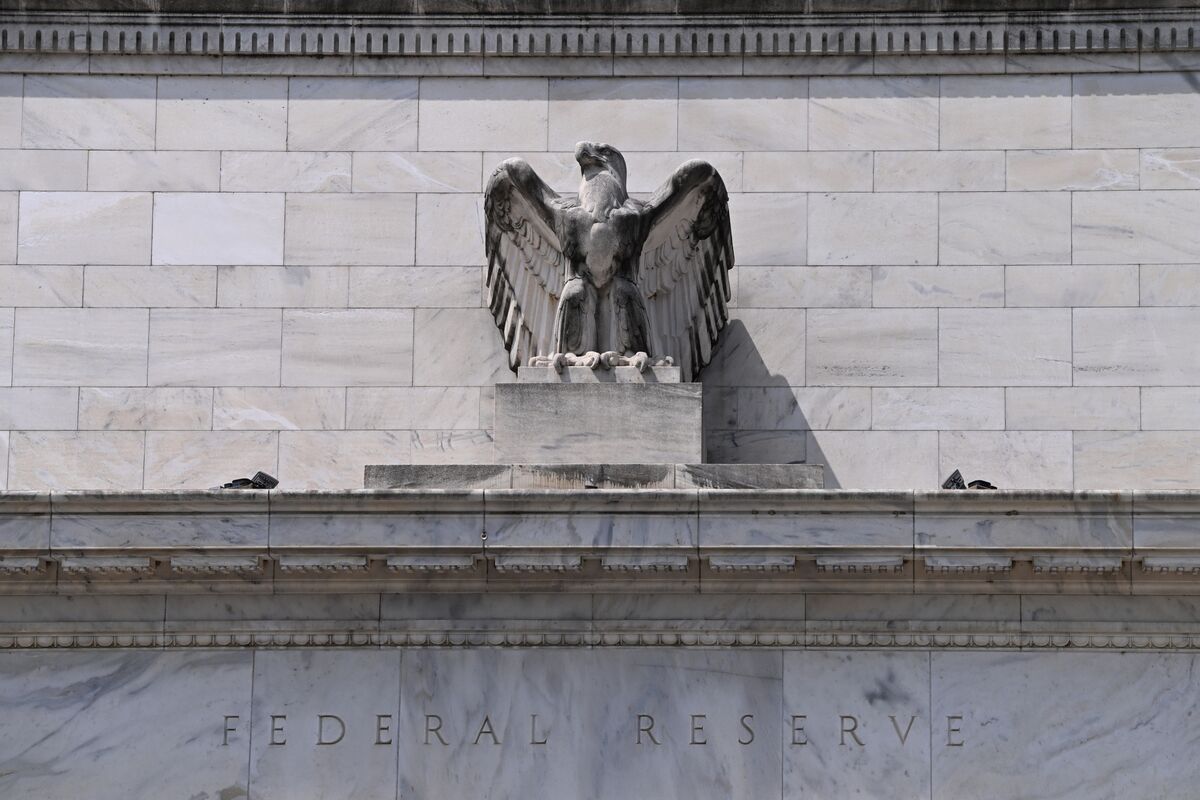
Current inflation signals suggest the Federal Reserve may be considering an 'unusual' interest rate cut, potentially diverging from its typical prerequisite of a notably lower favored inflation gauge before such a move. This indicates a proactive or unconventional policy stance by the Fed in response to evolving economic conditions.
The Federal Reserve appears to be positioning for a potential interest rate cut under conditions that diverge from historical precedents. Typically, a rate reduction is preceded by a significant decline in the Fed's preferred inflation gauge. The current situation, however, suggests policymakers may consider easing policy even if inflation is not 'notably lower,' signaling a potentially unconventional or proactive shift in their reaction function. This introduces a significant degree of uncertainty into the outlook for monetary policy, as the traditional triggers for a rate cut may no longer be reliable indicators. The high market impact score of 0.7 underscores the importance of this potential policy pivot, as it implies the Fed could be responding to other forward-looking economic signals or risks not yet fully apparent in lagging inflation data.
AI-powered research, real-time alerts, and portfolio analytics for institutional investors.
Request DemoOverall Sentiment
neutral
Sentiment Score
0.00
