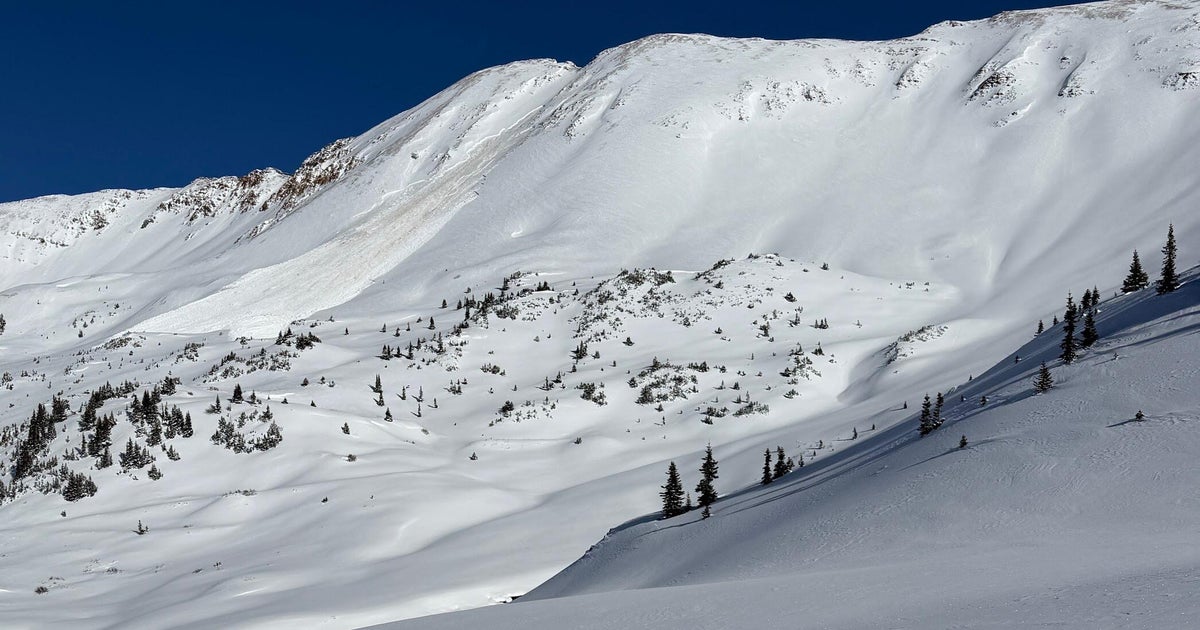
Three avalanches in Austria on Saturday killed eight skiers: a woman was fatally buried in Bad Hofgastein (~7,200 ft) around 12:30 p.m.; roughly 90 minutes later an avalanche in Gastein Valley swept seven people, killing four, seriously injuring two and leaving one unharmed; and three Czech skiers died in Pusterwald shortly before 4:30 p.m., with four companions evacuated. Rescue helicopters, mountain rescue and Red Cross dog teams were deployed, officials warned of hazardous conditions despite “clear and repeated warnings,” and authorities noted the incidents are part of a broader international spike in deadly avalanches this month.
Market structure: Immediate losers are regional ski-resort operators and local travel/tourism intermediaries in the Austrian/Alpine corridor (expect 3–10% demand shock to affected resorts for 2–8 weeks). Winners include reinsurers and global insurers only if losses trigger broader rate resets; safety-equipment and helicopter/rescue service providers see secular demand up-tick. Cross-asset: leisure equity volatility will rise (VIX-like spikes localized to MTN/CPA.PA), small widening in European insurer CDS spreads (10–30bp) and negligible macro FX/commodity impact.
Risk assessment: Tail risks include litigation/regulatory curbs on off-piste skiing (low probability, high impact — could cut ancillary resort revenue by 5–15% over 12–24 months) and a multi-week booking pullback if additional incidents occur. Time horizons: immediate (days) = booking cancellations; short (weeks–months) = Q1 revenue misses for resorts; medium (6–12 months) = reinsurance pricing repricing; long (years) = structural demand shift only if rules change. Hidden dependencies: OTA booking flow, winter-weather persistence, and local insurance claim aggregation.
Trade implications: Direct plays: tactical short on Vail Resorts (MTN) for 2–8 weeks on booking softness; tactical long on reinsurers (MUV2.DE, SREN.S) with 6–12 month horizon anticipating rate hardening. Options: buy 1–2% portfolio-sized 2-month MTN put spreads (5–10% OTM) and 9–12 month MUV2 call spreads to capture repricing. Rotate 2–5% from Travel & Leisure into Insurance/Defensives (Utilities/Staples).
Contrarian angles: Consensus may overstate persistent demand loss — historical precedent shows 3–6 month rebounds after localized fatality clusters. Mispricing: an 8–12% sell-off in large resort names could present a buy-on-weakness if Q1 lift-ticket trends remain within -5% of street estimates. Unintended consequence: stricter regulation could consolidate demand toward large, well-capitalized operators (favoring MTN medium-term).
AI-powered research, real-time alerts, and portfolio analytics for institutional investors.
Request DemoOverall Sentiment
strongly negative
Sentiment Score
-0.70
