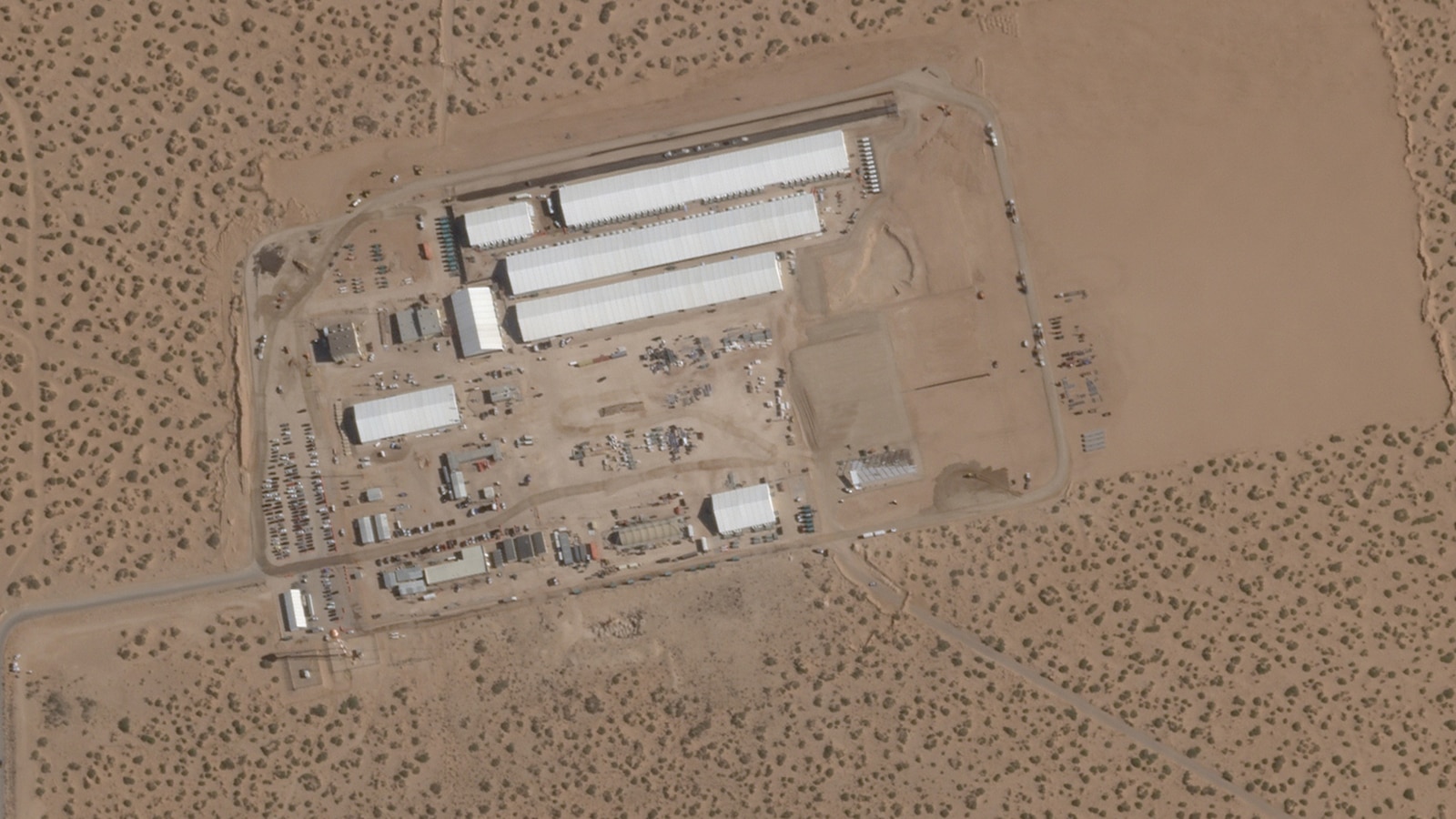
An El Paso County autopsy ruled the Jan. 3 death of 55-year-old Geraldo Lunas Campos in ICE custody at Camp East Montana a homicide, finding death by "asphyxia due to neck and torso compression." The family's attorneys obtained a federal order to prevent deportation of two alleged eyewitnesses as they seek testimony, while DHS characterized Campos as having experienced medical distress after becoming disruptive; Campos was detained in July and had prior convictions. The ruling heightens legal, reputational and oversight risk for ICE and the Camp East Montana facility (which has had three detainee deaths), potentially prompting increased litigation and policy scrutiny.
Market structure: Political and legal fallout primarily creates idiosyncratic pressure on private corrections and immigration-detention operators (notably GEO, ticker GEO; CoreCivic, CXW). Expect near-term headline-driven volatility (5–25% intra-stock swings) and investor scrutiny on contract renewals; limited broader market contagion unless multiple DOJ/ICE probes emerge. Service providers (detention medical contractors, transport firms) face secondary renegotiation risk; providers to defense and cyber (LMT, NOC, FTNT) are relative safe havens for government revenue exposure.
Risk assessment: Tail risks include DOJ civil/criminal probes or contract terminations that could remove 5–15% of revenue for a given operator within 6–18 months, and class-action settlements in the $20–200m range. Immediate risk (days) is reputational/flow-driven; short-term (weeks–months) is litigation discovery and deposition outcomes; long-term (quarters–years) is policy change tied to election cycles that could structurally reduce detention bed demand. Hidden dependencies: bond covenants, covenant-lite exposure, and ESG/ index funds forced flows can amplify moves.
Trade implications: Direct trades: hedge or short GEO/CXW via limited-risk put spreads (3-month, 10% OTM buy/sell) sized 1–2% portfolio each; if spreads widen >200bp on 3–12 month bonds, consider buying senior debt for yield pickup. Pair trade: short GEO (equity) / long LMT or NOC to rotate from politicized services to defense staples. Options: buy 3-month put spreads to cap premium with target exit at 30–40% realized move or after 90 days.
Contrarian angles: Consensus may overprice permanent contract loss—ICE still needs beds so permanent revenue loss >20% is low probability absent federal action. If GEO/CXW fall >25% on headlines without contract cancellations, consider credit long (buy 2–5yr bonds) or buying 9–12 month call calendars; historical analogs show median recovery within 6–12 months after headline crises. Key unintended consequence: aggressive ESG divestment could create short-term liquidity stress and attractive entry points for credit investors.
AI-powered research, real-time alerts, and portfolio analytics for institutional investors.
Request DemoOverall Sentiment
moderately negative
Sentiment Score
-0.40
