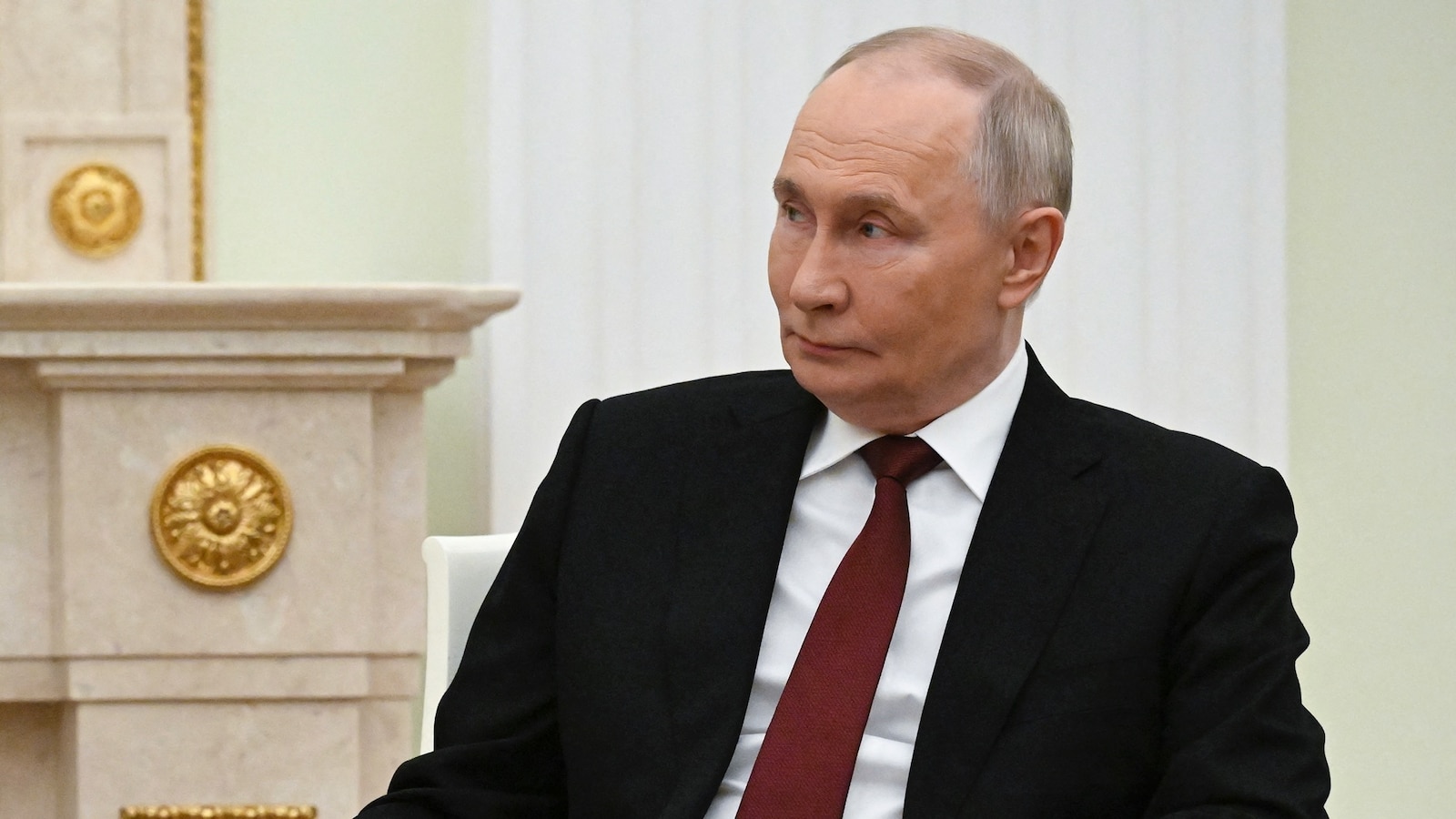
U.S. special envoy Steve Witkoff is travelling to Moscow to present a revised peace proposal to President Putin after a roughly two-hour meeting in Florida between U.S. and Ukrainian delegations that discussed a reworked 19-point plan. Key negotiation points include security guarantees for Ukraine, the fate of billions in frozen Russian assets (a central Russian demand), and potential elections, while Russia remains unwilling to discuss a ceasefire or cede claimed territory in Donbas, making a breakthrough unlikely. For investors, the lack of progress and continued Russian intransigence imply ongoing geopolitical risk with potential implications for sanctions, energy markets and defense-related exposures.
Market structure: A negotiated breakthrough is low-probability, so default regime remains higher premium on defense and energy security. Direct beneficiaries: defense primes and aerospace suppliers (pricing power on long-cycle programs), upstream oil & gas producers and LNG shippers; losers: European gas-dependent utilities and commodity-exposed EMs. Cross-asset: expect safe-haven bid in USTs and USD on failed diplomacy (1–2% moves in FX, 25–50 bps compression in 2-yr UST if escalation), while oil/gas can swing ±5–20% within weeks depending on supply narratives.
Risk assessment: Tail risks include a rapid Russian escalation (low-probability, high-impact) or seizure/repurposing of frozen assets—either could trigger severe sanctions, supply shocks, or FX volatility; probability window is concentrated over the next 7–30 days around the Moscow briefing. Hidden dependencies: US domestic politics (administration incentives) and European winter gas inventories (threshold: <60% storage increases probability of energy stress). Catalysts to watch: Putin statements, NATO readiness updates, and movement in TTF/Brent in next 72 hours.
Trade implications: Favor tactical long defense exposure (6–12 month horizon) and protected long energy (3–6 months) while holding short-duration hedges (VIX/VXX) for headline risk. Use pair trades to express relative strength (defense vs utilities) and FX hedges (long USD via UUP) if talks collapse; be ready to flip within 72–96 hours of any credible de-escalation headline.
Contrarian angles: Markets may underprice protracted legal wrangling over frozen assets—which supports sustained energy and defense premiums even if "talks" progress; the consensus fetishizes headlines but not implementation timelines (expect 3–9 months of legal/supply lag). A short-lived peace headline could be overbought: plan tight stop-outs (5–10%) on defense longs and keep options structures to capture asymmetric downside protection.
AI-powered research, real-time alerts, and portfolio analytics for institutional investors.
Request DemoOverall Sentiment
mildly negative
Sentiment Score
-0.30
