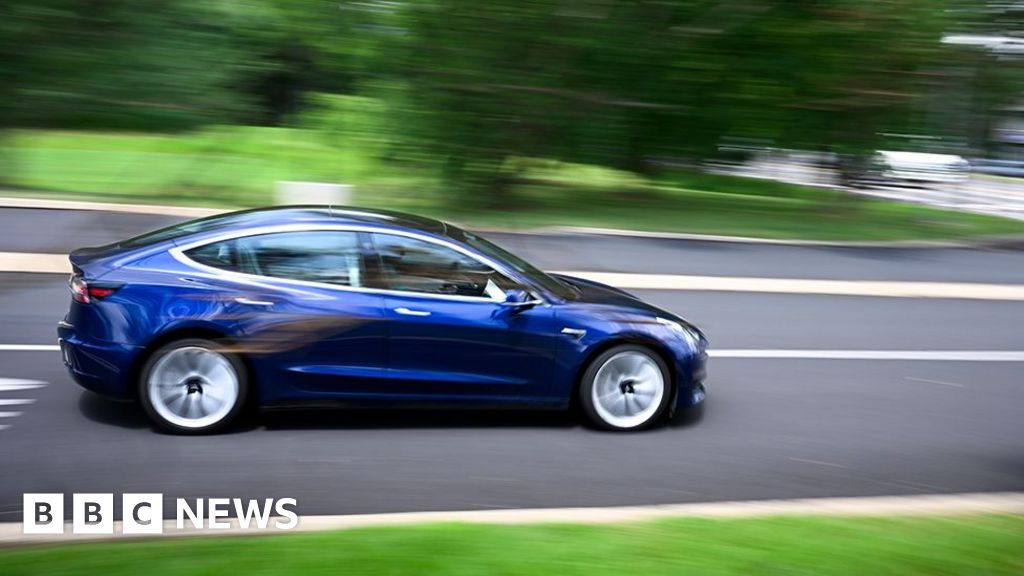
The National Highway Traffic Safety Administration (NHTSA) has initiated a preliminary evaluation into Tesla's Full Self-Driving (Supervised) system, encompassing an estimated 2.9 million vehicles. This investigation stems from 58 reports of FSD-equipped cars violating traffic laws, including driving on the wrong side of the road and failing to stop at red lights, with six crashes and four injuries specifically linked to red light incidents. The regulatory scrutiny aims to assess the system's scope, frequency, and potential safety consequences, posing a significant challenge to Tesla's autonomous driving technology.
The National Highway Traffic Safety Administration (NHTSA) has launched a preliminary evaluation into Tesla's Full Self-Driving (Supervised) system, encompassing an estimated 2.9 million vehicles. This investigation follows 58 reports of FSD-equipped cars violating traffic laws, including driving on the wrong side of the road and failing to stop at red lights, with six crashes and four injuries specifically linked to red light incidents. The regulatory scrutiny aims to assess the system's "scope, frequency, and potential safety consequences."
These reported incidents, particularly those offering "little notice to a driver or opportunity to intervene," raise significant concerns regarding the reliability and safety of Tesla's FSD technology, despite its "supervised" designation. This probe, alongside an existing NHTSA investigation into Model Y door locking mechanisms, underscores escalating regulatory pressure on Tesla's product safety and quality control. The market's strongly negative sentiment (-0.7) and high impact score (0.7) reflect investor apprehension.
The ongoing safety investigations could undermine consumer confidence in Tesla's advanced features and potentially impact the adoption of its premium FSD offering. While Tesla is simultaneously introducing cheaper models to enhance competitiveness, these regulatory challenges pose a material risk to the company's long-term strategy and brand perception in the evolving EV market.
AI-powered research, real-time alerts, and portfolio analytics for institutional investors.
Overall Sentiment
strongly negative
Sentiment Score
-0.70
Ticker Sentiment
