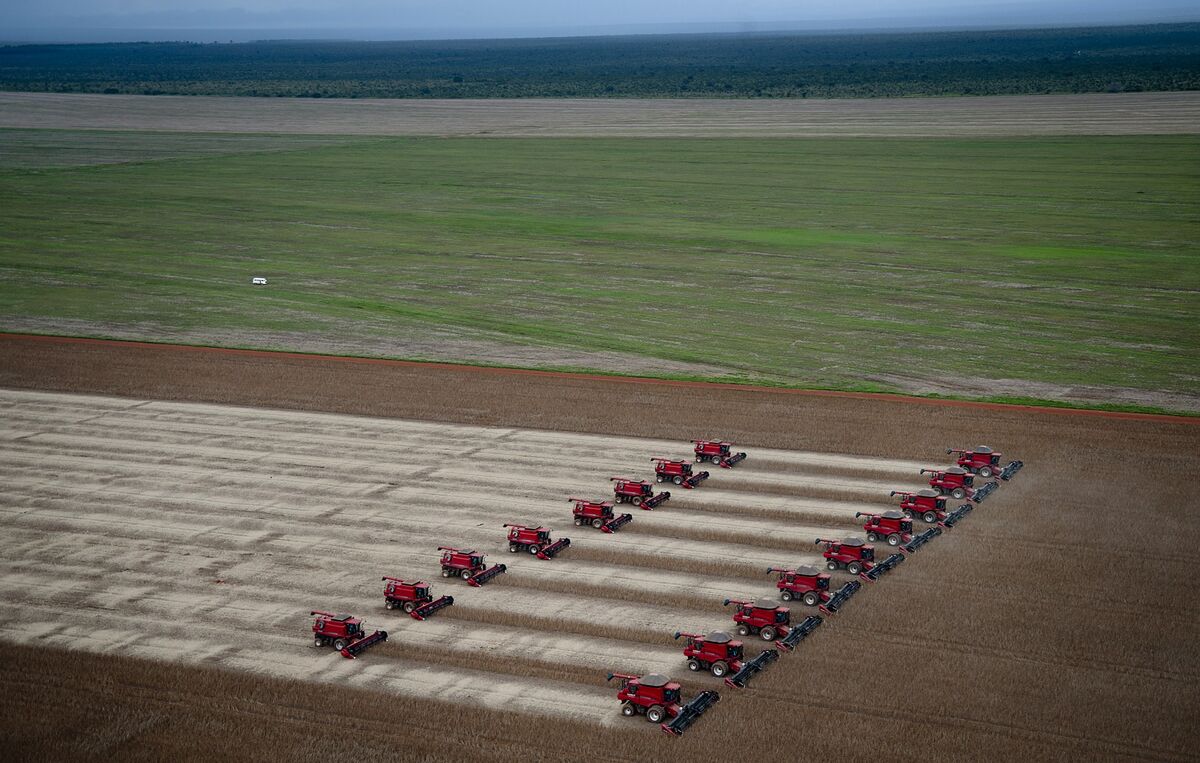
Global demand for soy is driving the expansion of large-scale farming deeper into the Amazon rainforest in Brazil. While soy forms the backbone of Brazil's agriculture-dependent economy, this destructive expansion poses a significant threat to the country's climate goals.
Global demand for soybeans, a crucial component of the international food supply chain, is fueling agricultural expansion into the Amazon rainforest. This trend, while supporting Brazil's agriculture-dependent economy, presents a significant and growing ESG risk. The reported 'destructive expansion' directly conflicts with Brazil's stated climate goals, creating a negative sentiment halo around the commodity, as reflected by a strongly negative sentiment score of -0.6. For investors, this translates into heightened reputational and regulatory risks for entities tied to the Brazilian soy market. The Teucrium Soybean Fund (SOYB), for instance, carries a negative sentiment score of -0.4, indicating that market participants are increasingly scrutinizing the environmental footprint of soy production. The situation highlights a critical tension between emerging market economic drivers and global ESG & climate policy, posing a potential long-term threat to the sustainability of the soy supply chain originating from the region.
AI-powered research, real-time alerts, and portfolio analytics for institutional investors.
Request DemoOverall Sentiment
strongly negative
Sentiment Score
-0.60
Ticker Sentiment
