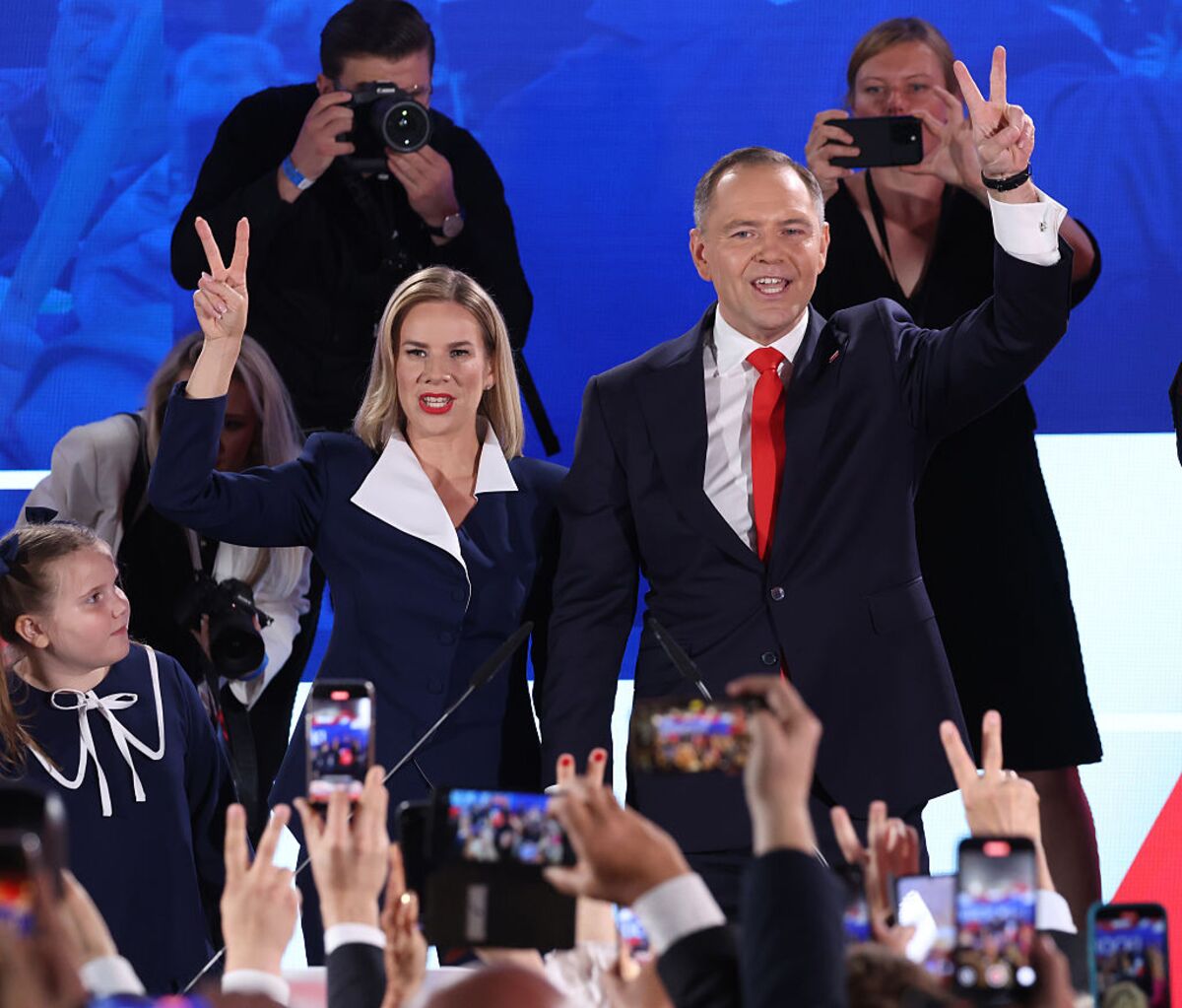
Karol Nawrocki, a nationalist candidate backed by Donald Trump, won the presidential election in Poland with a 51% to 49% victory, signaling a potential shift in European geopolitics. Nawrocki's win, characterized by his stance against Brussels' Green Deal and Ukraine's NATO membership, highlights increasing polarization on issues like migration and abortion. This outcome, coupled with political shifts in Portugal and Romania, suggests a weakening of centrist dominance and a growing influence of nationalist sentiments across Europe.
Karol Nawrocki's 51% to 49% presidential victory in Poland, achieved with backing from Donald Trump, signifies a notable advance of nationalist sentiment within Europe, carrying implications for regional geopolitics and policy. Nawrocki's platform, which includes opposition to Brussels' Green Deal and Ukraine's NATO membership, reflects increasing polarization observed across the continent on issues like migration and European integration, a trend also seen in Portugal's recent political shifts. This outcome, viewed against a US State Department essay echoing MAGA rhetoric critical of European governance, suggests a potential weakening of centrist control and could challenge established transatlantic relationships. The associated moderately negative sentiment and pessimistic tone, along with a moderate market impact score of 0.55, highlight the increased uncertainty this political evolution introduces, particularly concerning themes of geopolitics, elections, regulation, trade, and ESG policy.
AI-powered research, real-time alerts, and portfolio analytics for institutional investors.
Request DemoOverall Sentiment
moderately negative
Sentiment Score
-0.50
