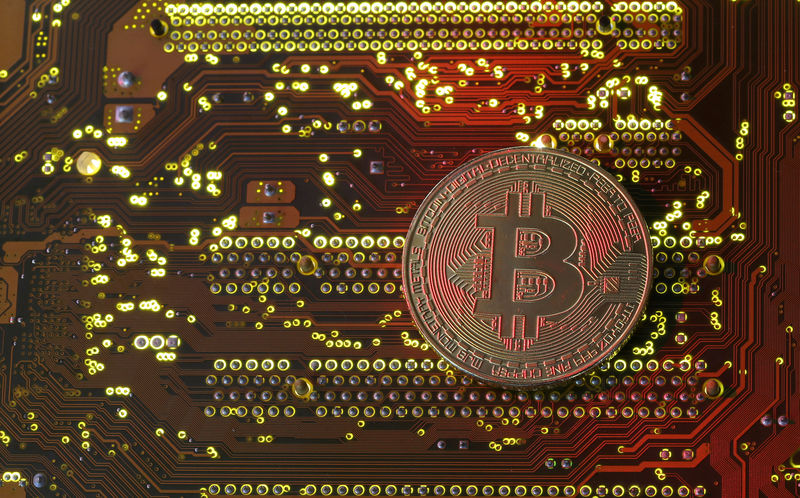
Bitcoin fell 0.3% to $61,589.3 as renewed U.S.-Iran tensions triggered a broad risk-off move, with equities also under pressure and oil prices advancing. May CPI came in line with forecasts at 4.2% y/y headline and 0.2% m/m core, reinforcing expectations that the Fed will hold rates steady next week. Crypto was additionally supported by cooling ETF outflows, though spot funds still saw $168 million in outflows this week after more than $5 billion over the prior three weeks.
The market is treating this as a classic duration-up, beta-down shock: geopolitics lifts energy and the dollar, while higher headline inflation keeps the Fed boxed in even if core remains tame. The key second-order effect is that persistent gasoline pressure feeds consumer sentiment faster than it feeds wage/income growth, which is usually worse for high-multiple growth and crypto than for cyclical energy exposure. That means the near-term winner set is not just oil producers, but anything with embedded inflation optionality and balance-sheet strength. For crypto, the important signal is not the modest price move itself but the interaction between macro stress and positioning. With ETF outflows cooling, the market may have already front-loaded a lot of de-risking; that creates a setup where further downside requires either a sharper geopolitical escalation or a re-acceleration in real yields. In other words, the next leg lower in BTC likely needs a catalyst that re-prices liquidity, not just headline noise. The consensus trap is assuming higher headline CPI automatically means tighter policy. Core is doing enough to keep a June pause locked, so the bigger risk is an upside move in breakevens and risk premiums rather than an imminent rate hike. That favors relative shorts in speculative assets over outright bearish duration trades, and it also argues for looking at energy as a hedge against a policy mistake that the market has not fully priced. The move is probably overdone in the weakest crypto names and underdone in the cross-asset inflation hedge. If Middle East risk stays elevated for another 2-4 weeks, the market will likely rotate from "inflation is cooling" to "inflation is sticky again," which would pressure small-cap growth, unprofitable tech, and altcoins much more than the large-cap index complex.
AI-powered research, real-time alerts, and portfolio analytics for institutional investors.
Overall Sentiment
moderately negative
Sentiment Score
-0.45
Ticker Sentiment
