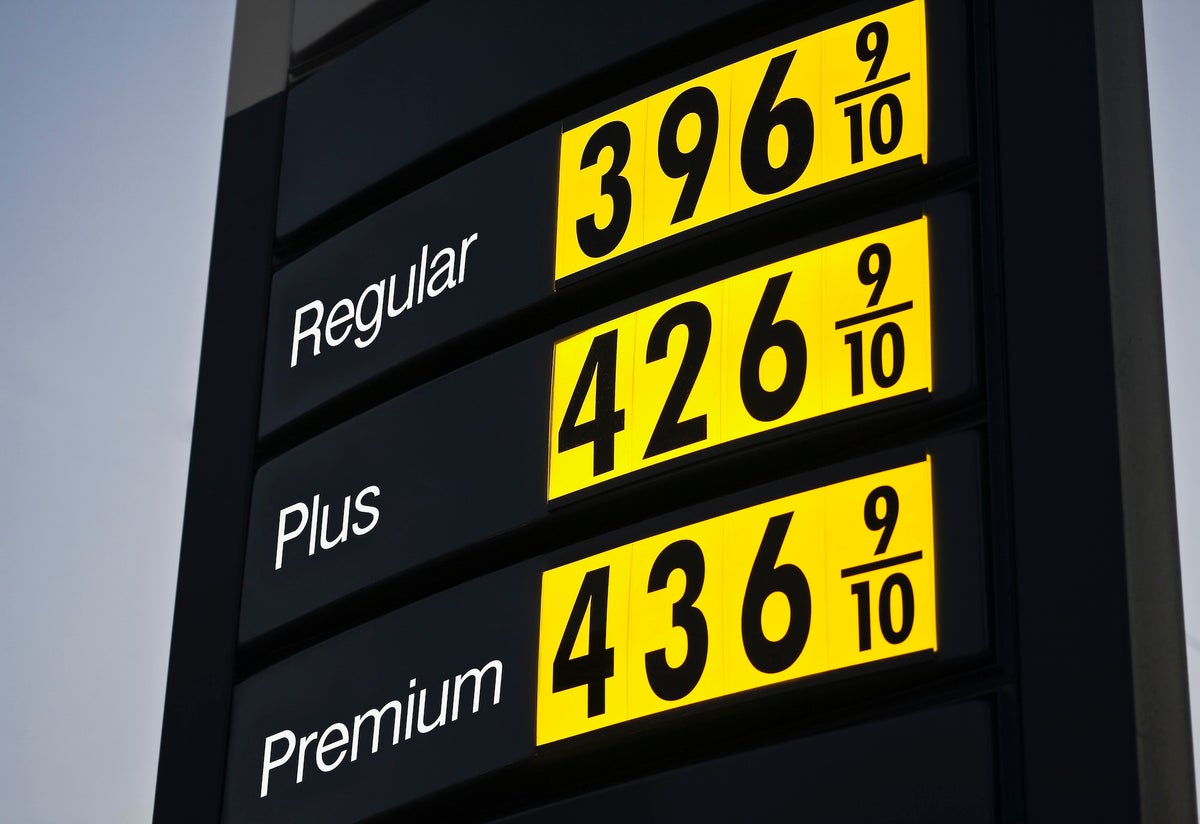
A Strait of Hormuz closure has trapped roughly one-fifth of global oil supply and is expected to push energy prices up 24% in 2026, with U.S. gasoline already around $4.50 per gallon nationally. U.S. oil production at 13.6 million barrels per day cannot offset the roughly 20 million barrels per day affected, and Americans are spending about $0.5 billion more per day on fuel. Oil producers may see windfall profits, but the article argues drilling will not surge meaningfully because shale is largely tapped, costs are higher, and past busts still weigh on capital spending.
The near-term winners are not just upstream producers, but anyone with unhedged exposure to crude-linked realized prices and constrained domestic supply. The bigger second-order benefit accrues to the low-cost, high-balance-sheet producers that can sustain capital discipline while peers hesitate; that dynamic should widen the valuation gap between scalable shale names and higher-cost independents. Integrateds get some cushion, but downstream and transport-linked businesses face the nastiest margin squeeze as feedstock costs rise faster than they can pass through demand.
The market is likely underestimating how slowly U.S. supply can respond. Even if rigs add, the lag from sanctioning to first oil means the next 1-2 quarters are mostly a pricing event, not a volume event, and the best case is a modest moderation later in the year. If the Strait remains constrained into late summer, the risk is not just higher pump prices but a second-round hit to freight, chemicals, and consumer discretionary demand through Q3/Q4, which would keep inflation sticky and delay any Fed easing narrative.
The contrarian angle is that this shock may accelerate capital rotation away from hydrocarbons more than it boosts absolute oil demand. Sustained $4.50+ gasoline makes EV and efficiency upgrades economically rational for fleets and commuters, while utilities can substitute more renewable generation at the margin. That means the trade is less "buy oil beta forever" and more "own the cash-generative low-cost producers, fade the laggards, and expect demand destruction to cap the upside once the market fully internalizes the shock."
AI-powered research, real-time alerts, and portfolio analytics for institutional investors.
Request DemoOverall Sentiment
strongly negative
Sentiment Score
-0.55
Ticker Sentiment
