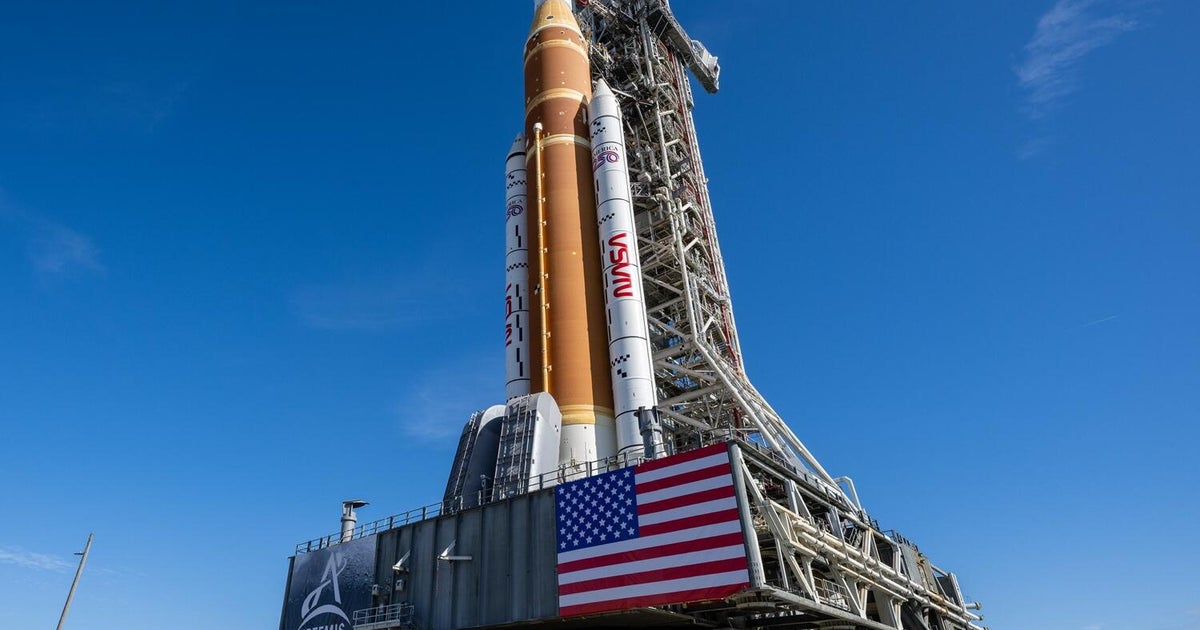
Artemis II is set to launch next week with a four-person crew on a nearly 500,000-mile, nine-day round-trip that will loop around the moon — the first crewed lunar mission since 1972. Air Force Detachment 3 and global pararescue teams are on standby, using C-17s to air-drop about 15,000 lbs of rescue equipment and deploy pararescue jumpers to recover crews into life rafts. Rescue teams say they can sustain astronauts aboard life rafts with medical supplies and survival gear for roughly 72–96 hours while awaiting higher-level care.
This article highlights an operational capability that is small in headline terms but magnifies recurring budget and logistics ripples: sustained crewed lunar operations turn once-off mission procurement into an ongoing sustainment market (recovery aircraft availability, pararescue training, maritime recovery kit, telemetry/comm upgrades). Those are multi-year service and spare-parts revenue streams rather than one-time capex — think annualized contracts for readiness, airlift sortie hours, and life-support consumables that scale with flight cadence.
Defense primes that provide airlift sustainment, mission systems and secure communications are positioned to convert program momentum into predictable aftermarket revenue; these contracts are lower-profile, awarded incrementally, and less sensitive to launch success PR cycles. Conversely, commercial aerospace exposure to passenger demand benefits less from moon-program tailwinds and may see supplier reallocation to defense work, tightening certain subcontractor supply.
Short-term catalysts are largely political and calendar-driven: appropriation cycles (next 6–18 months) and programmatic milestones that trigger option years or rapid add-ons for rescue readiness. Tail risks include a high-visibility failure that could temporarily accelerate political funding and scrutiny (raising short-term support) or a pivot to private-sector recovery providers that fragments the incumbent base over several years.
Consensus blind spot: markets treat Artemis as primarily a NASA PR event; they underweight the steady, low-volatility cashflows from sustainment/logistics contracts that typically flow to mid-tier systems integrators and aftermarket units within primes. That creates a multi-quarter window to buy into defense/mission-support exposure before contract awards become public and get re-priced into equities.
AI-powered research, real-time alerts, and portfolio analytics for institutional investors.
Request DemoOverall Sentiment
neutral
Sentiment Score
0.05
