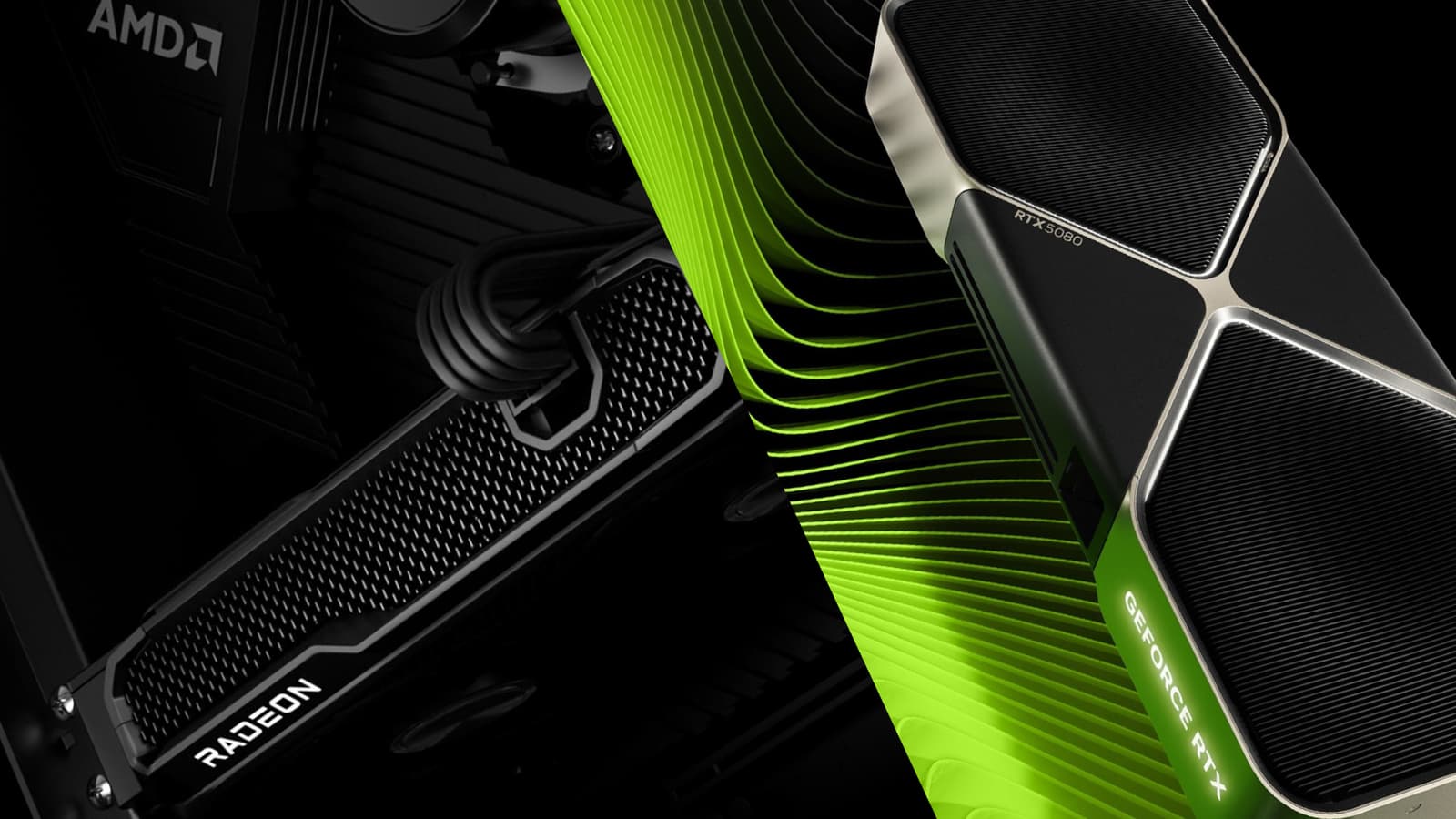
A sharp, reported three- to four-fold rise in GDDR6/GDDR7 DRAM costs is forcing AMD and NVIDIA ecosystem partners to plan significant GPU price increases in early 2026, with AMD-led hikes starting in January and NVIDIA following in February; manufacturers may revise prices monthly. Analysts cited in the piece warn retail GPU prices could potentially double, putting top-tier cards — notably the flagship RTX 5090 — at premium levels approaching $5,000, which risks dampening consumer demand and squeezing channel inventory dynamics.
Market structure: A sustained 3x–4x jump in GDDR costs shifts pricing power to memory suppliers and board manufacturers (AIBs), while compressing sell-through at retail; expect flagship ASPs to rise ~50–100% (RTX 5090 to ~$5k) and volumes to fall materially for high-end SKUs over 1–3 quarters. NVIDIA’s data‑center/HBM franchise is largely insulated, so gaming-facing revenue is the primary pain point — AMD and AIB-dependent SKUs face the biggest margin and share risk in Jan–Mar 2026.
Risk assessment: Immediate (days–weeks) risk is channel repricing and retailer markdown volatility; short term (1–3 months) is inventory writedowns if demand softens; long term (3–12 months) is cyclical DRAM mean reversion that could wipe gains for memory longs. Tail risks include a demand collapse (consumer pause -> 30–50% lower sell‑through), regulatory intervention on pricing, or rapid capex increases by DRAM suppliers that cap prices.
Trade implications: Favor exposure to DRAM/flash suppliers (e.g., MU) on a 6–12 month horizon if contract prices remain elevated; hedge consumer‑GPU risk with short-dated NVDA/AMD downside exposure sized as portfolio hedges. Use options to control timing: buy 2–3 month NVDA 10% OTM put spreads as tactical hedges ahead of Feb 2026, and consider 6–12 month MU call spreads to capture a >30% move.
Contrarian angles: Consensus ignores segmentation — cloud/data-center GPU demand may accelerate as consumers avoid buying expensive cards, benefiting NVDA’s server rental and enterprise ASPs over 12–24 months. Historical DRAM spikes often reverse within 4–8 quarters; therefore size longs in memory names with stop-losses and monitor weekly GDDR contract indices and channel sell‑through; if GDDR spot falls to <2x pre‑spike levels, trim memory longs aggressively.
AI-powered research, real-time alerts, and portfolio analytics for institutional investors.
Request DemoOverall Sentiment
moderately negative
Sentiment Score
-0.40
Ticker Sentiment
