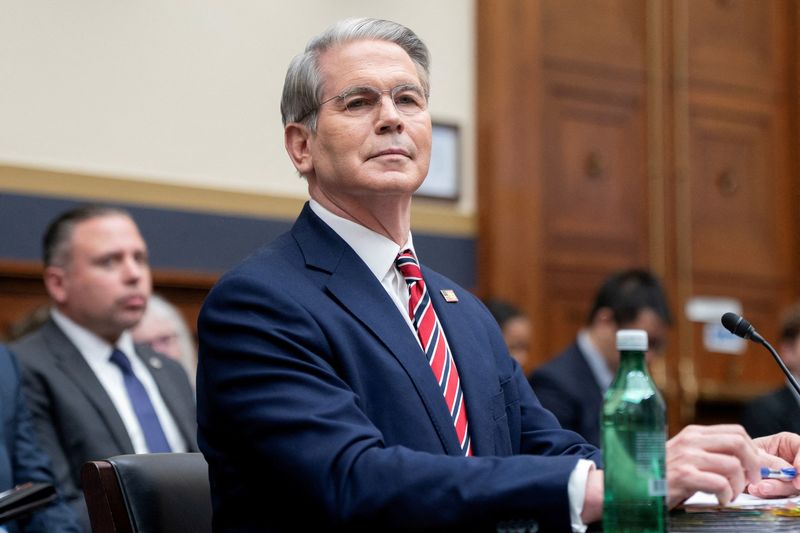
High-level trade talks between U.S. Treasury Secretary Scott Bessent and South Korean Finance Minister Koo Yun-cheol were canceled due to scheduling conflicts, delaying Seoul's urgent efforts to secure a trade deal. South Korea is racing to prevent the imposition of steep 25% U.S. trade tariffs set for August 1. While other South Korean officials continue their meetings in Washington, the cancellation highlights the critical nature of these negotiations, especially following Japan's recent success in securing a U.S. trade deal with a lower 15% tariff.
The cancellation of high-level trade talks between the U.S. Treasury Secretary and South Korea's Finance Minister introduces significant uncertainty for a resolution ahead of the August 1 deadline. This delay heightens the risk of the U.S. imposing a 25% tariff on South Korean goods, a measure previously outlined by the U.S. President. While lower-level talks are reportedly continuing, the postponement of the key meeting undermines Seoul's urgent efforts to secure a favorable trade deal. The situation is further contextualized by Japan's recent success in negotiating its tariff down to 15% from a similar 25% threat, establishing a benchmark that intensifies the pressure on South Korean officials. The current impasse, reflected by the uncertain tone and moderate market impact score, places South Korean export-oriented industries in a precarious position as the deadline approaches.
AI-powered research, real-time alerts, and portfolio analytics for institutional investors.
Request DemoOverall Sentiment
mixed
Sentiment Score
-0.10
Ticker Sentiment
