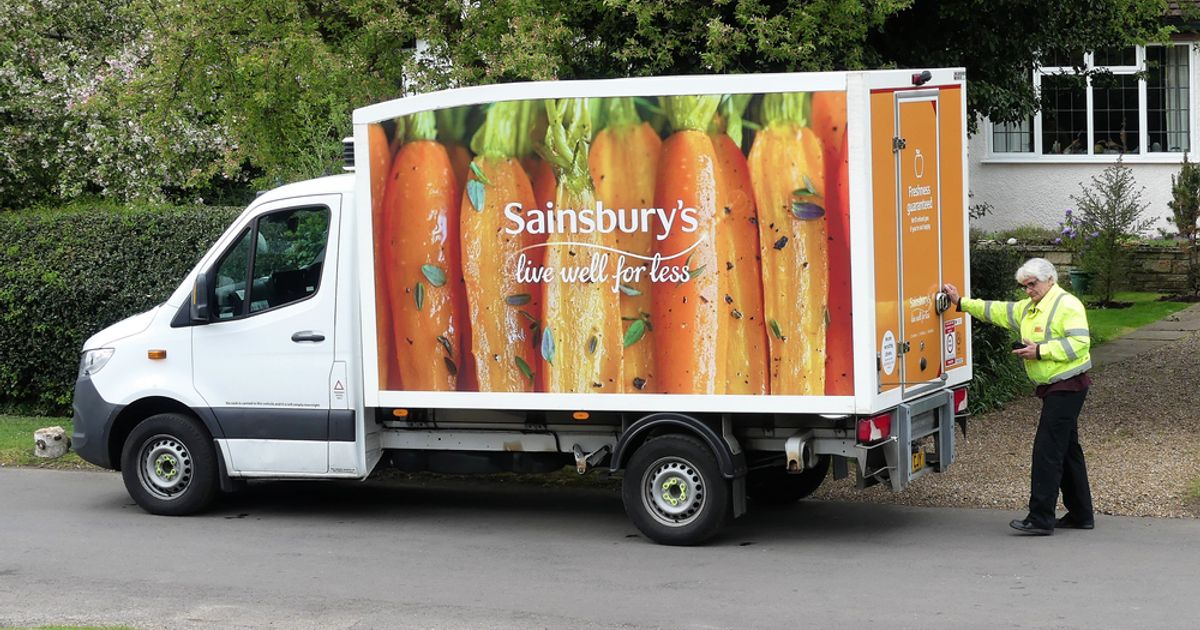
Deutsche Bank has adopted a cautious 2026 view on European and UK retail, citing an unusually wide valuation dispersion (roughly 19x across coverage and ~5x within UK-only names) and limited scope for further multiple expansion as UK and European growth and disposable income weaken. The bank upgraded J Sainsbury to buy (price target 350p from 310p) and Wickes to hold (235p from 195p), while downgrading Kingfisher to sell (255p from 285p) and cutting B&M to hold (180p from 235p), and it prefers premium discretionary, sporting goods, European clothing and food retail (e.g., Watches of Switzerland, adidas, Zalando, Tesco) over DIY, discounters and UK clothing. Deutsche Bank recommends a selective allocation into internationally exposed, inflation-resilient, “net space growth” and reinvestment-focused “growth compounders,” warning that many high-quality names now trade near peak valuations and may lack margin for error in a tougher trading backdrop.
Deutsche Bank adopts a cautious 2026 stance on UK and European retail, citing an unusually wide valuation dispersion of roughly 19x across its coverage and about a 5x gap within UK-only names, and argues that the multiple rerating seen in 2025 has limited scope to continue against muted UK and European growth. The bank warns that weaker disposable income, elevated cost pressures and slower GDP in the UK make further expansion in high-valuation names unlikely and increases the risk of multiple compression.
The house view is reflected in targeted rating moves: J Sainsbury was upgraded to buy with a price target raised to 350p from 310p, Wickes moved to hold with its target lifted to 235p from 195p, Kingfisher was downgraded to sell with a target cut to 255p from 285p, and B&M was lowered to hold with its target trimmed to 180p from 235p. These changes signal preference shifts within the sector rather than a blanket bullish or bearish call.
Deutsche Bank prefers premium discretionary names (Watches of Switzerland), sporting goods (adidas), European clothing (Zalando) and food retail (Tesco) — companies with international exposure, inflation resilience, net space growth or clear reinvestment strategies — while flagging DIY, discounters and lower-income-focused retailers as vulnerable. The note implies a more selective allocation is required given many high-quality names trade near peak valuations and there is limited margin for error in a tougher 2026 trading backdrop.
AI-powered research, real-time alerts, and portfolio analytics for institutional investors.
Request DemoOverall Sentiment
mildly negative
Sentiment Score
-0.25
