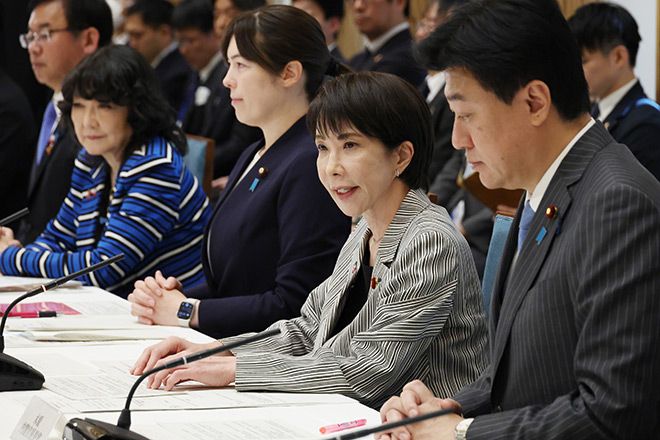
The Japanese government, prompted by coalition partner Nippon Ishin and ordered by Prime Minister Sanae Takaichi, plans to tighten naturalization and permanent-residence rules by effectively raising the practical residency requirement for citizenship from five to 10 years and formally adding Japanese-language proficiency as a condition for permanent residency. Exceptions are expected for high-profile contributors; officials also propose increasing the required period under current residence status from three to five years and introducing language/civic training programs as part of screening. In 2024 there were 12,248 citizenship applications with 8,863 (70%) approved, and about 930,000 permanent residents (20% of the foreign population); the LDP aims to finalize recommendations in January and update the comprehensive immigration plan by month-end.
Market structure: Tighter citizenship and permanent-resident rules materially raise the cost and uncertainty of long-term foreign labor in Japan, advantaging automation/robotics suppliers (industrial robotics, factory automation) and HR-tech/staffing firms that can re-price services. Losers are sectors heavily reliant on lower-skilled foreign labor — construction, logistics, nursing care, agriculture — and urban residential rental niches; estimate a 10–30% reduction in incremental foreign-worker inflow over 2–3 years would meaningfully raise unit labor costs in those sectors.
Risk assessment: Tail risks include a sharper-than-expected decline in inward migration (≥30% reduction) triggering localized GDP drag and a BOJ dovish-to-hawk surprise if wage inflation accelerates; this could push 10y JGB yields ±30–50bp over 6–12 months. Near-term (days–weeks) headline risk is high around the LDP January recommendations and the revised comprehensive plan at month-end; medium-term (3–12 months) is capex reallocation to automation, long-term (1–3 years) structural productivity and wage trends.
Trade implications: Tactical longs: industrial-automation names and staffing/HR-tech; tactical shorts: margin-compressed construction and logistics operators. Use relative-value pair trades (long FANUC 6429.T, short Kajima 1812.T) and 6–12 month option structures (call spreads on automation, put spreads on construction) to express skewed upside vs limited downside while capping premium outlay.
Contrarian angles: Consensus underestimates fiscal offsets — the government may fund language/civic programs, creating a pickup for education providers (Benesse 9783.T) and vocational training services; also, initial market reaction may underprice the durable capex cycle in automation (12–24 month revenue visibility). Unintended consequence: accelerated automation can boost exports of capital goods, creating a feedback loop that favors machinery exporters over domestic-service names.
AI-powered research, real-time alerts, and portfolio analytics for institutional investors.
Request DemoOverall Sentiment
mildly negative
Sentiment Score
-0.25
