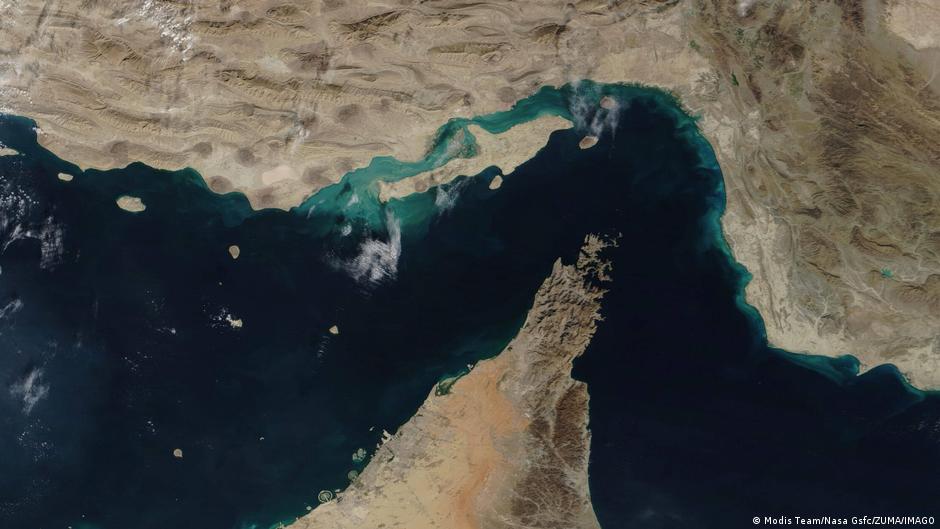
Europe is considering a multinational defensive naval mission to protect shipping in the Strait of Hormuz after the Iran war disrupted one of the world’s most critical trade routes. The plan would rely on frigates, destroyers, and mine-hunting drones, with Germany, France, and the UK expected to carry much of the burden, but deployment would only follow a negotiated end to hostilities. The article highlights significant operational and diplomatic risks, with the potential to affect global shipping flows and energy market stability.
The market is underpricing the distinction between a headline-risk naval deployment and an actual restoration of flow. A defensive coalition can reduce insurance stress and improve convoy discipline, but it does not solve the core problem: asymmetric escalation by a state with low-cost denial tools and high tolerance for intermittent disruption. That means the first-order beneficiary is not “shipping” broadly, but the handful of insurers, defense contractors, and Gulf-area logistics names that earn from elevated risk premia and security spend while traffic remains fragile.
The second-order impact is on energy optionality, not just spot prices. Even modestly higher war-risk premiums can keep Brent supported if traders believe a single drone salvo or mine incident can shut a corridor for days, and that tends to steepen the prompt curve rather than create a lasting supply shock. The more important macro transmission is through LNG, refined products, and tanker repositioning: Europe may secure some crude flows, but rerouting and longer voyage times tighten vessel supply and amplify freight rates across adjacent routes for months.
The contrarian view is that the coalition talk itself may be more bearish for tails than the market assumes. If Europe can credibly assemble a visible escort framework, implied tail risk in oil and shipping may collapse faster than realized flow improves, creating a sharp volatility crush even if fundamentals stay mediocre. That makes this more of a premium-selling setup than a simple directional long if headlines remain supportive but non-disruptive.
The biggest catalyst is not the mission announcement but the first incident that tests it: any mine, missile, or drone event will tell us whether the market is buying protection or pricing a ceiling on escalation. If no attacks occur for several weeks, the risk premium can bleed out quickly; if attacks continue despite escorts, expect a repricing toward a higher-for-longer oil and freight regime with broader European defense outperformance.
AI-powered research, real-time alerts, and portfolio analytics for institutional investors.
Request TrialOverall Sentiment
mildly negative
Sentiment Score
-0.35
