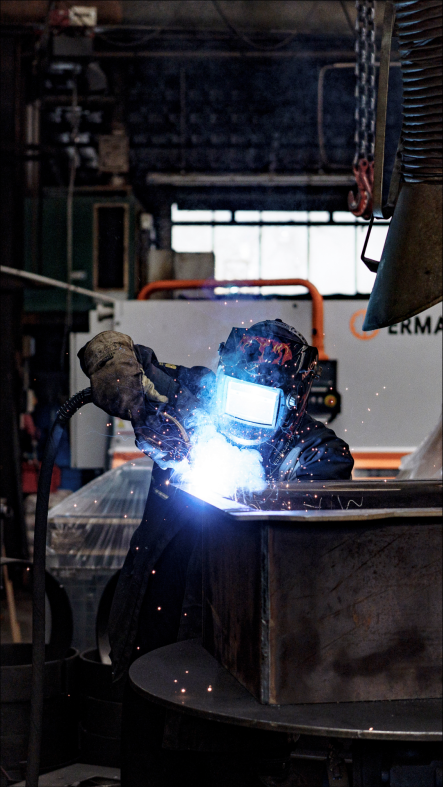
A Bloomberg report indicates that the decline in German manufacturing predates the imposition of tariffs by the Trump administration on auto and steel industries. The report focuses on Duisburg, Germany's industrial heartland, to examine the impact of the weakening economy on local life and political sentiment.
The Bloomberg report indicates a critical distinction regarding the state of German manufacturing, asserting its decline commenced prior to the imposition of US tariffs on the nation's automotive and steel industries under the Trump administration. This suggests that while trade protectionist measures may have exacerbated existing pressures, they were not the originating cause of the sector's downturn. The investigation into Duisburg, Germany's industrial heartland, aims to illustrate the tangible socio-economic and political ramifications of this "flagging economy." The underlying message is that deeper, potentially structural, issues have been undermining German manufacturing for a significant period, a situation reflected in the moderately negative sentiment and pessimistic tone associated with this news. The focus on automotive and steel highlights specific sectors under duress, aligning with the broader themes of economic data and trade policy.
AI-powered research, real-time alerts, and portfolio analytics for institutional investors.
Request DemoOverall Sentiment
moderately negative
Sentiment Score
-0.50
